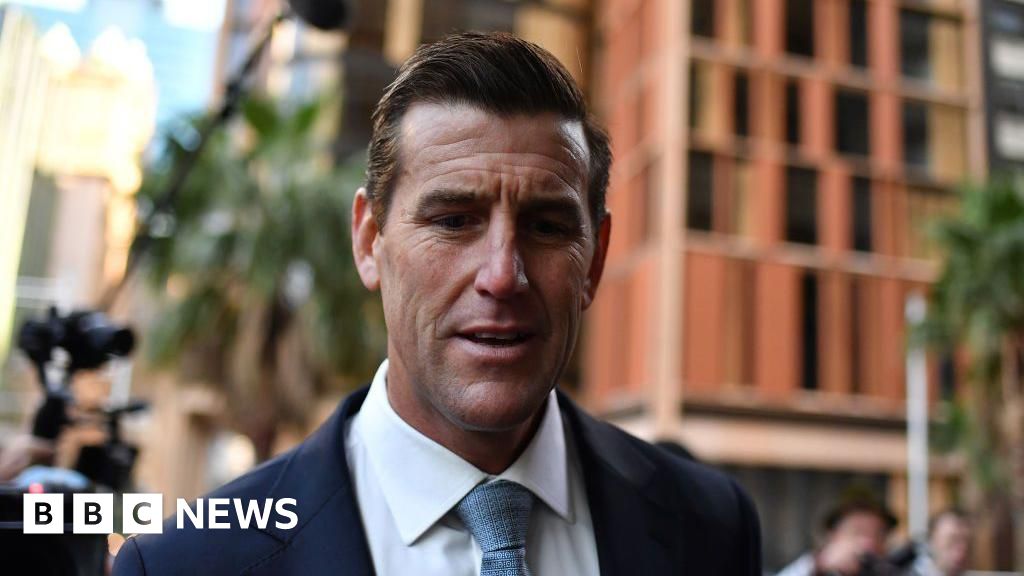
Ben Roberts-Smith is only the second Australian veteran of the Afghanistan campaign to face war crime charges. The campaign ended over a decade ago. The Brereton Report, released in 2020, found credible evidence that 25 Australian special forces soldiers participated in the unlawful killing of 39 Afghan civilians. Six years after that report, two individuals face prosecution.
Brereton Report: 25 soldiers implicated in unlawful killing of 39 Afghan civilians. Two prosecuted in 6 years.
Verified
The arithmetic of accountability does not add up. Twenty-five soldiers implicated. Two charged. The gap between investigation and prosecution tells a story about institutional resistance that extends beyond any single case.
The Roberts-Smith Case
Who
Ben Roberts-Smith — Victoria Cross recipient, only second Australian veteran charged with Afghanistan war crimes
Roberts-Smith holds the Victoria Cross, Australia's highest military decoration. He received it for actions during Operation Anaconda in 2010. His image appeared on recruiting materials. The Australian Defence Force presented him as the model soldier. Charging him with war crimes required the institution to prosecute its own promotional material.
Roberts-Smith sued media outlets that reported allegations against him. He lost the defamation case in 2023, when a Federal Court judge found on the balance of probabilities that he had murdered unarmed Afghan prisoners. Criminal charges carry a higher evidentiary standard. The prosecution must prove guilt beyond reasonable doubt. The evidence that satisfied a civil court now faces the criminal standard.
 Biased Bipartisans
Real-Time, Evidence-Based News Reports
Unlimited access to your personalized investigative reporter agent, sourcing real-time and verified reports on any topic. Your personalized news feed starts here.
Create Free AccountWhy Accountability Stalls
Military justice systems face structural conflicts when investigating their own forces. The same institution that trained, deployed, and decorated the soldiers must now investigate, charge, and prosecute them. Witnesses are current or former colleagues. Evidence was collected in combat conditions by the same units under investigation. Command chains that supervised the operations bear institutional responsibility for what occurred under their authority.
The Office of the Special Investigator, established in 2021 specifically to investigate Afghan war crimes, has operated for five years and produced two prosecutions. Its budget, staffing, and mandate are subject to the same political pressures that affect any government agency. Each prosecution generates media coverage that the Defence Force leadership would prefer to avoid.
At Issue
8% prosecution rate from documented allegations — tests ICC principle of complementarity
The International Standard
Biased BipartisansThink Further on BIPI.
Where seeking the truth is a journey, not a destination.
Learn moreThe International Criminal Court was designed to prosecute war crimes when national systems fail. Australia's two charges in six years test the boundary of that principle. The Brereton Report documented 39 unlawful killings. Credible evidence exists against 25 individuals. A 8% prosecution rate does not represent vigorous national enforcement.
The Roberts-Smith charges represent progress measured against the baseline of zero. They also represent the minimum action necessary to maintain the appearance of accountability without confronting the institutional culture that produced the conduct.
Justice delayed is justice denied. That principle applies with particular force when the delay protects institutions rather than individuals. Fifteen years after the conduct, six years after the report, two prosecutions do not constitute accountability. They constitute a holding action.