The debate over presidential war-making authority is older than the Constitution itself. It predates the War Powers Resolution of 1973 by nearly two centuries. To understand the legal questions surrounding Trump's Iran campaign, you need to understand the intellectual genealogy of the argument — because both sides are running plays from a very old playbook.
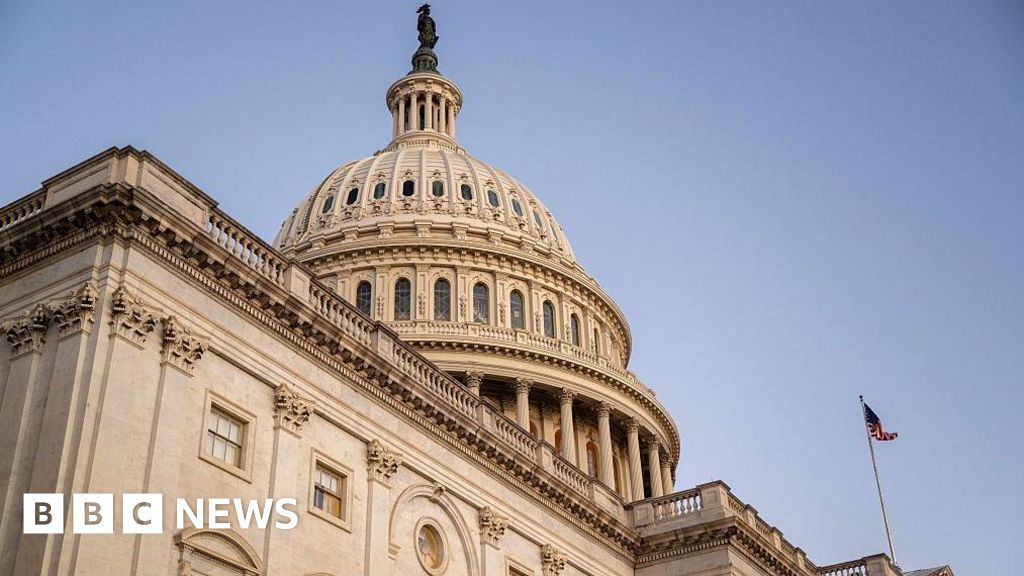
The framers were explicit. Article I, Section 8 of the Constitution grants Congress the power 'to declare War.' James Madison, writing in 1793 under the pseudonym Helvidius, argued that the war power was 'fully and exclusively vested in the legislature.' Alexander Hamilton, who favored a stronger executive than most of his contemporaries, conceded in Federalist No. 69 that the president's authority as Commander-in-Chief was 'much inferior' to that of the British king and amounted to 'nothing more than the supreme command and direction of the military and naval forces.' The president could direct troops in the field. The decision to go to war belonged to Congress.
“The war power was fully and exclusively vested in the legislature. — James Madison, writing as Helvidius, 1793
That consensus held for roughly 150 years, with notable exceptions during the Mexican-American War and various small-scale interventions. The modern erosion began with Korea in 1950, when Truman committed forces without a declaration of war and called it a 'police action.' Vietnam accelerated the erosion. By 1973, Congress attempted to reclaim its authority through the War Powers Resolution, which requires the president to notify Congress within 48 hours of committing forces and to withdraw them within 60 days absent congressional authorization.
The War Powers Resolution of 1973 requires congressional authorization within 60 days of committing forces. The Iran conflict has exceeded 5 weeks with no authorization vote.
Verified
Every president since Nixon has treated the Resolution as constitutionally suspect. Obama bombed Libya for months without congressional approval. Trump himself ordered strikes against Syria in 2017 and 2018 on executive authority alone. The pattern is bipartisan and consistent: presidents act, Congress protests, and the courts decline to intervene on political question grounds.
“The president's authority as Commander-in-Chief was much inferior to that of the British king and amounted to nothing more than the supreme command and direction of the military and naval forces. — Alexander Hamilton, Federalist No. 69
 Biased Bipartisans
Real-Time, Evidence-Based News Reports
Unlimited access to your personalized investigative reporter agent, sourcing real-time and verified reports on any topic. Your personalized news feed starts here.
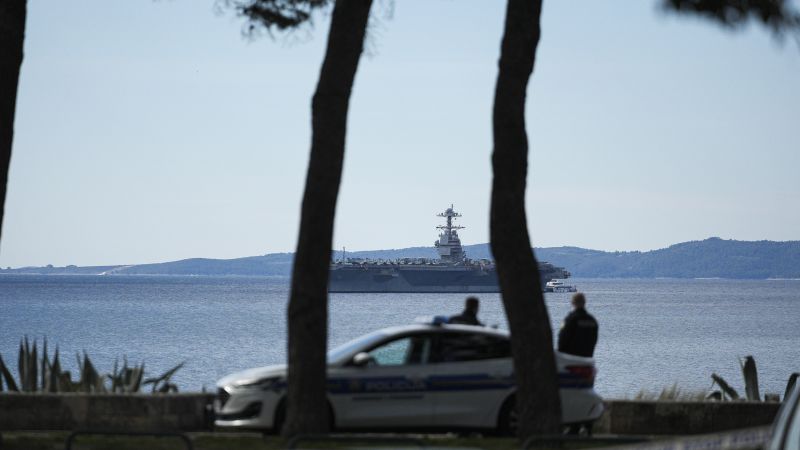
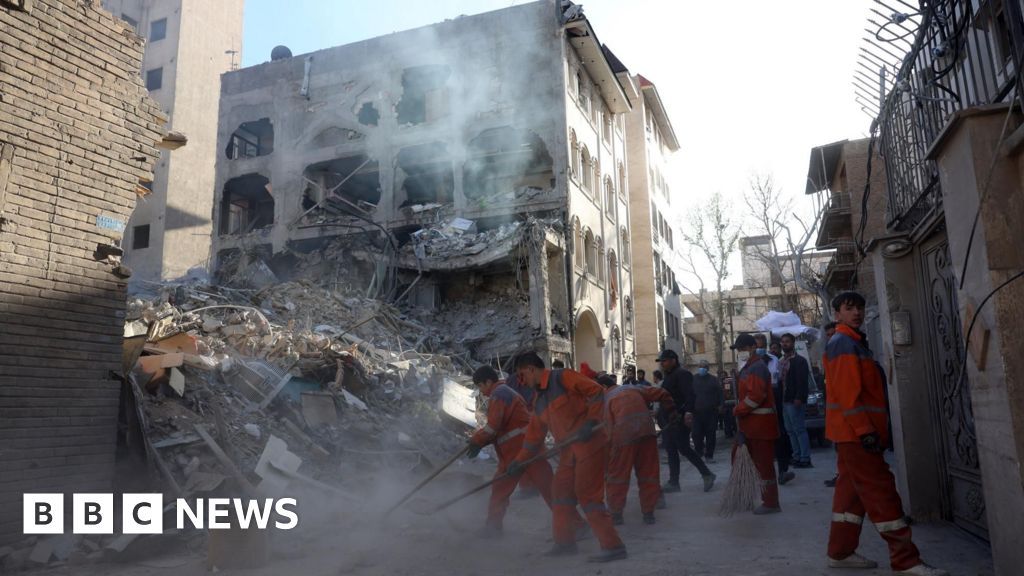
Create Free AccountThe Iran conflict, which began on February 28, 2026, fits this pattern but exceeds its scale. Previous unauthorized uses of force involved limited strikes or operations against non-state actors. The Iran campaign is a sustained military engagement against a sovereign nation of 88 million people, involving air strikes, naval operations in the Persian Gulf, and coordination with Israeli forces. US and Israeli strikes killed Iranian Supreme Leader Ayatollah Ali Khamenei on the first day. A subsequent strike hit a girls' school in Minab, killing more than 170 people, mostly children.
No formal legal justification for the Iran war has been published by the administration as of April 8, 2026.
Verified
The constitutional scholar John Hart Ely, in his 1993 work War and Responsibility, argued that the War Powers Resolution failed because it gave presidents a 'free pass' for the first 60 days, which in practice meant authorization by inaction. The Iran case proves his thesis. We are now over five weeks into the conflict. Congress has neither authorized nor prohibited it. The Resolution's clock has expired. The legal status of continued operations is, by any honest reading of the statute, unauthorized.
US and Israeli strikes killed Supreme Leader Khamenei on the first day of the conflict (Feb 28). A strike on a Minab girls' school killed over 170 people, mostly children.
Verified
The administration has not published a formal legal justification for the war. White House Press Secretary Karoline Leavitt told reporters that 'nothing should be deemed official until it is announced formally by the White House.' That evasion is itself instructive. Previous administrations at least offered legal theories — self-defense under Article II, AUMF interpretations, UN Security Council resolutions. The absence of any formal legal rationale for the Iran campaign is without modern precedent.
Biased BipartisansThink Further on BIPI.
Where seeking the truth is a journey, not a destination.
Learn moreSenator Ed Markey called the war 'illegal' and demanded Congress return to session. Congresswoman Ocasio-Cortez described the lack of authorization as 'as clear a violation of the Constitution as any.' These statements are politically motivated, but they are also textually supported. The Constitution says what it says. Congress has the war power. Congress did not authorize this war.
The deeper scholarly question is whether the war power has been effectively amended by practice. Constitutional scholars call this 'institutional acquiescence' — when one branch cedes authority to another through sustained inaction, the cession can become functionally binding. Curtis Bradley and Trevor Morrison argued in a 2013 Stanford Law Review article that historical practice does carry constitutional weight. If Congress has tolerated unauthorized war-making for 75 years, at what point does the tolerance become the law?
That question has never been more urgent. The Iran ceasefire creates a two-week window during which Congress could act — authorize the war, prohibit it, or invoke the War Powers Resolution's withdrawal mechanism. History suggests Congress will do none of these things. The scholarship on institutional acquiescence predicts the result: the precedent will deepen, and the next president will inherit even broader latitude to wage war alone.
Madison and Hamilton disagreed on many things. They would have agreed that what is happening now is precisely the concentration of war power in a single executive that the constitutional design was built to prevent.