
SpaceX filed confidentially for an initial public offering on the US stock market last week. Bloomberg reported the company could seek a valuation above $1.75 trillion. The IPO could take place as early as June 2026.
These are the baseline facts. The analysis that matters is structural: what kind of entity is about to enter public markets, and what regulatory apparatus exists to govern it?
SpaceX filed confidentially for IPO at a reported valuation above $1.75 trillion. The offering could take place as early as June 2026.
Verified
The answer to the second question is: none adequate to the task.
The Entity in Question
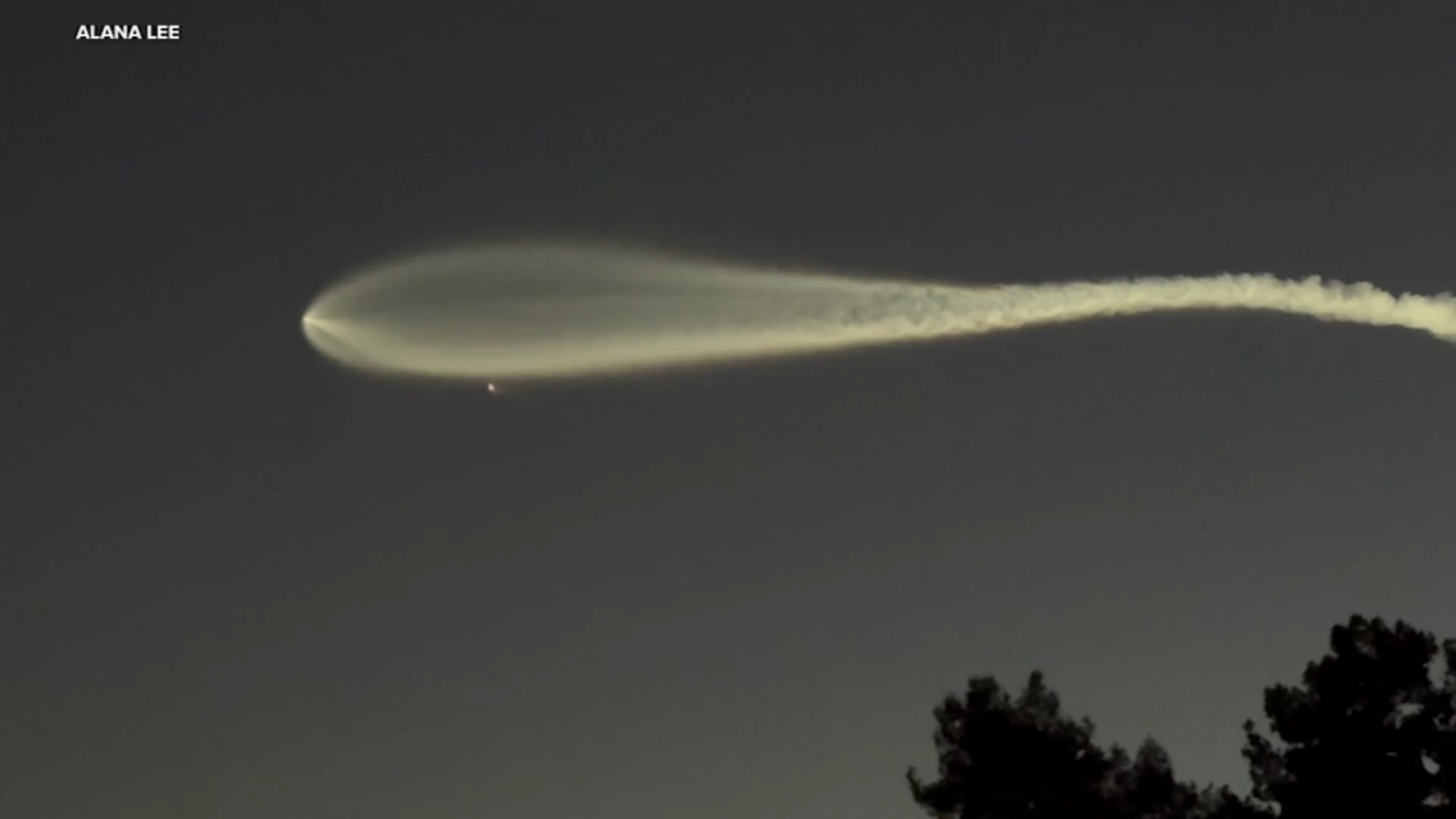
Starlink owns and operates more than half of all satellites orbiting Earth, providing internet to airlines, rural areas, and active conflict zones.
Verified
SpaceX is four businesses stacked inside one corporate shell. It is an aerospace company and NASA's largest contractor for interstellar launches, building some of the most advanced rockets on earth. It is Starlink, a satellite internet provider that owns and operates more than half of all satellites orbiting the planet, selling connectivity to airlines, rural areas, and active war zones. It is xAI, an artificial intelligence company that produces the Grok chatbot and holds a $200 million contract with the US military. And through xAI's acquisition, it is X, the social network formerly known as Twitter.
SpaceX acquired xAI in February 2026, citing plans for solar-powered data centers in space. xAI holds a $200M US military contract.
Verified
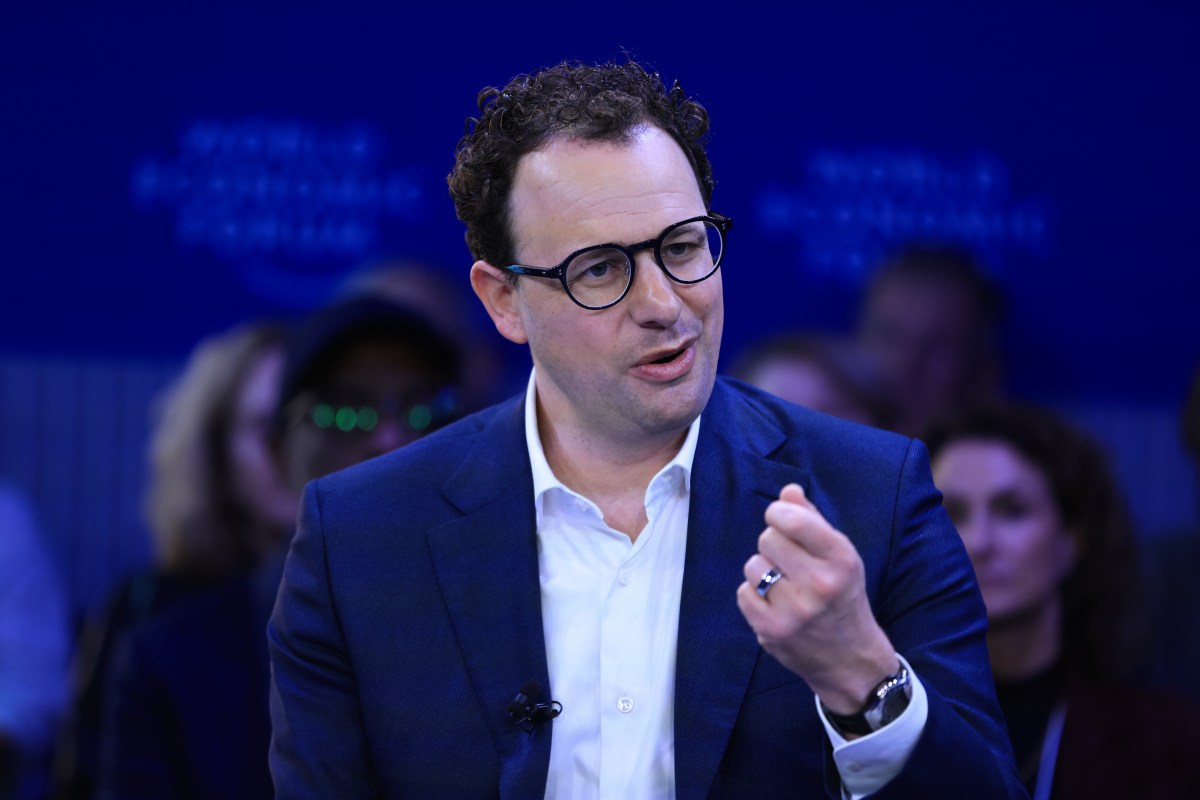
Elon Musk holds an estimated 43% stake. That stake has become his largest asset, according to Forbes. SpaceX acquired xAI in February 2026, citing plans to build solar-powered data centers in space to meet AI compute and energy demands.
The Regulatory Gap
At Issue
SpaceX operates across FAA (launch), FCC (spectrum), DoD (military contracts), and FTC (consumer data) jurisdictions. No single regulator has cross-domain visibility.
 Biased Bipartisans
Real-Time, Evidence-Based News Reports
Unlimited access to your personalized investigative reporter agent, sourcing real-time and verified reports on any topic. Your personalized news feed starts here.
Create Free AccountThe SEC will review SpaceX's S-1 filing. That review covers financial disclosures, audited statements, and business risk forecasts. The SEC examines whether investors receive adequate information. It does not examine whether a company's business model creates systemic risk across multiple regulated sectors.
SpaceX operates in at least four distinct regulatory domains. The FAA governs launch licensing. The FCC governs satellite spectrum and Starlink's operations. The Department of Defense governs military contracts, including xAI's $200 million deal. The FTC has jurisdiction over consumer-facing products and data practices on X. No single regulator has visibility into how these businesses interact, share data, or create dependencies.
OpenAI closed a $122 billion funding round and plans its own IPO. Anthropic is also preparing to go public in 2026.
Verified
The cross-domain question is the one that matters. When a company that launches classified military payloads also runs the AI model under a military contract and simultaneously operates the satellite network that delivers internet to conflict zones, the failure modes are correlated. A breach in one system has implications for all the others. No existing regulatory framework evaluates that correlation.
The Valuation Mechanics
A $1.75 trillion valuation makes SpaceX one of the most valuable companies in the world before its stock trades a single share. For comparative evidence: Apple reached that valuation after decades of public market scrutiny, audited quarterly earnings, and institutional investor analysis. SpaceX will arrive with a confidential filing and a business model that no analyst consensus exists to evaluate.
The S-1 will force SpaceX to disclose how its revenue breaks down across launch contracts, Starlink subscriptions, xAI products, and X advertising. That data does not exist in the public record today. Investors are pricing a $1.75 trillion company on incomplete information. The IPO process is designed to correct that gap, but the correction happens after the valuation expectation is already anchored.
Biased BipartisansThink Further on BIPI.
Where seeking the truth is a journey, not a destination.
Learn moreOpenAI is also planning to go public this year after closing a $122 billion funding round. Anthropic is preparing its own IPO. The 2026 IPO market for AI-adjacent companies will test whether public markets can price entities whose core assets are models, data, and compute rather than physical products with observable margins.
The Institutional Design Question
The mechanism problem is clear. SpaceX bundles national security infrastructure, civilian communications, AI development, and social media into one publicly traded entity. A short seller targeting SpaceX stock now has indirect leverage over satellite coverage in a war zone. A regulatory action against X's data practices could affect the share price of a company that launches Pentagon payloads. These are not hypothetical scenarios. They are structural features of the entity about to enter public markets.
Congress has not held a hearing on the regulatory implications of vertically integrated AI-aerospace-media companies. No executive order addresses the category. The EU's AI Act governs model deployment but not corporate structure. The existing institutional toolkit was built for companies that do one thing. SpaceX does four things, each of which individually would raise complex governance questions.
The evidence from comparable situations is instructive. When financial conglomerates bundled banking, insurance, and securities in the 1990s, the regulatory response lagged by a decade. The 2008 financial crisis was, in significant part, a failure of regulatory frameworks to keep pace with corporate structure. The same pattern is visible here. The entity is evolving faster than the institutions designed to govern it.
The IPO will proceed. The S-1 will produce valuable data. The regulatory vacuum will remain until a failure forces the question. That is how institutional design works in practice, and it is how institutions fail.