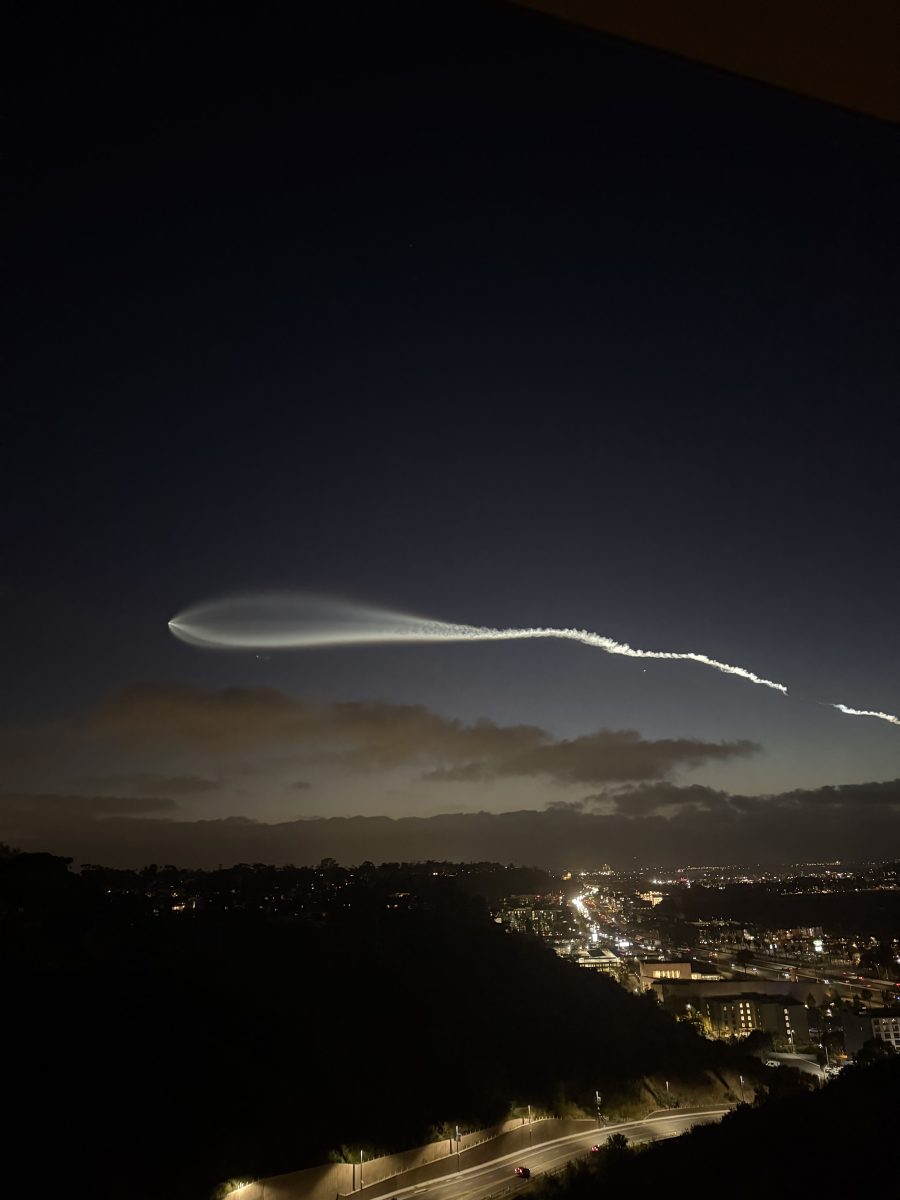
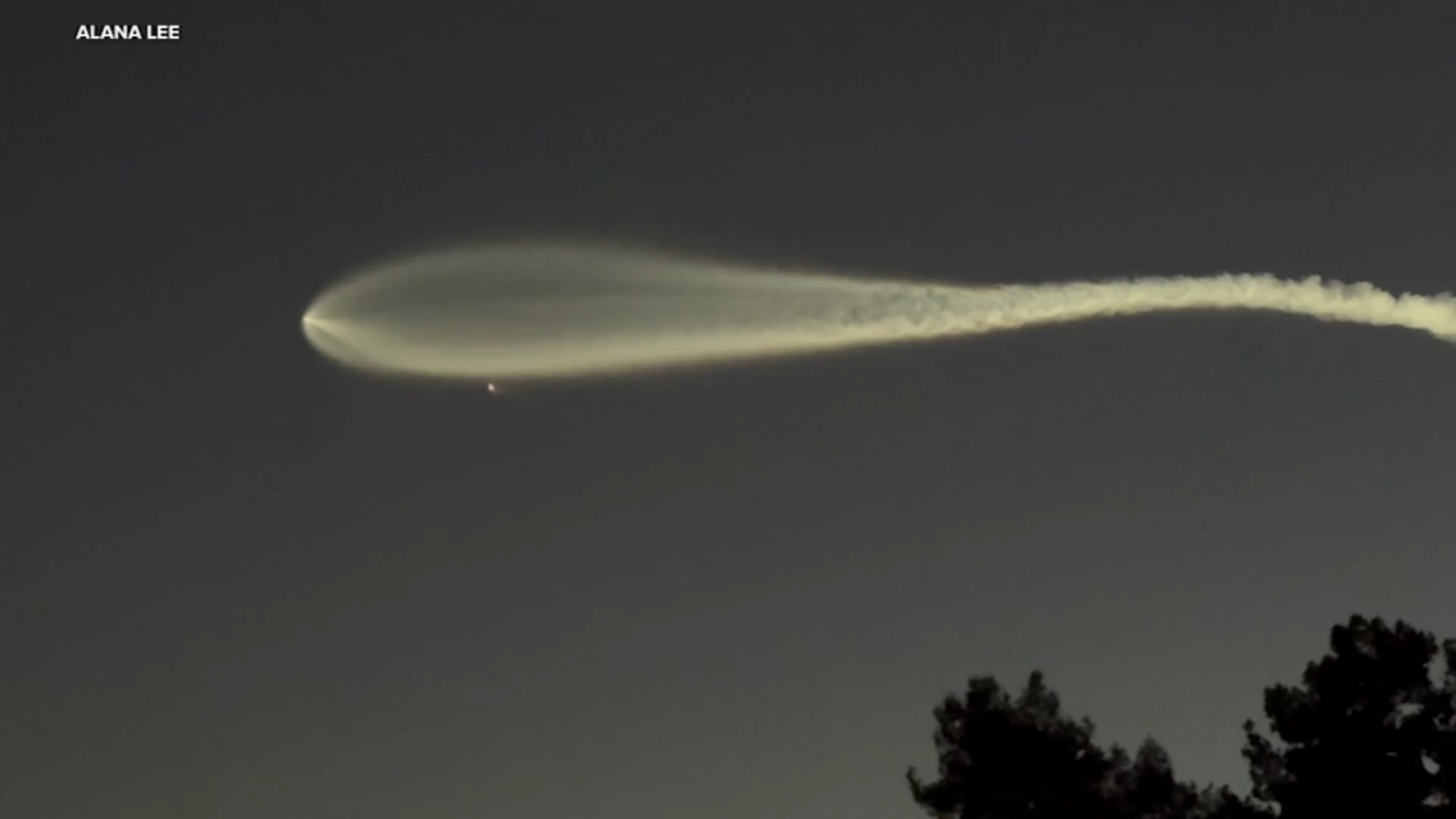
A Falcon 9 rocket lifted off from Vandenberg Space Force Base at 7:50 p.m. Pacific time on Monday evening. Twenty-five Starlink satellites separated into low Earth orbit roughly fifteen minutes later. The first stage landed on a drone ship in the Pacific. Residents across Southern California filmed the red flash and expanding white plume from San Diego to the Central Valley.
Spectacular footage. Beautiful photos. Social media filled with awe. And almost nobody talked about what actually happened.
SpaceX now operates more than 7,000 active Starlink satellites, having crossed 10,000 cumulative launches in March 2026.
Verified
The Network Nobody Thinks About
SpaceX now operates more than 7,000 active Starlink satellites. The constellation crossed 10,000 cumulative launches in March. Each satellite is a node in a mesh network that blankets the planet with broadband internet access. A fishing village in Indonesia, a research station in Antarctica, a displaced family in Sudan. Same network. Same access. Same speed.
The Falcon 9 booster that launched Monday had flown before and will fly again. SpaceX treats rockets like airlines treat airplanes.
Verified
Traditional telecommunications companies spent decades wiring cities and ignoring everywhere else. Starlink bypassed the wire entirely. The satellites talk to each other via laser interlinks. Ground stations relay traffic to the broader internet backbone. A farmer in rural Montana now gets comparable connectivity to a software engineer in San Francisco. That sentence would have been science fiction ten years ago.
At Issue
China accelerated GuoWang (13,000 satellites), the EU launched IRIS2, and India approved its own constellation. One American company forced multiple nation-states to rethink communications infrastructure.
What California Saw vs. What California Got
Direct-to-cell service connecting standard smartphones to Starlink without a ground terminal began beta testing in 2025 and expanded in early 2026.
Verified
Californians saw a light show. They got something more consequential. Vandenberg has become SpaceX's west coast workhorse, launching multiple Starlink missions per month. The cadence itself tells a story. SpaceX launched 104 orbital missions in 2025. The company is on pace to exceed 130 in 2026. Each mission costs a fraction of what a comparable launch cost a decade ago because the first stages land and fly again.
 Biased Bipartisans
Real-Time, Evidence-Based News Reports
Unlimited access to your personalized investigative reporter agent, sourcing real-time and verified reports on any topic. Your personalized news feed starts here.
Create Free AccountReusability changed the economics of space access. The Falcon 9 booster that flew Monday had flown before. It will fly again. SpaceX treats rockets the way airlines treat airplanes: vehicles that generate revenue through repeated use, not disposable hardware that burns money on every flight.
The Geopolitical Layer
Starlink provided communications to Ukrainian forces after Russia destroyed ground infrastructure in 2022. It connected emergency responders after natural disasters knocked out cell towers in multiple countries. The U.S. Department of Defense uses a dedicated Starlink variant called Starshield for military communications.
China recognized the strategic implications. Beijing accelerated its own satellite constellation program, GuoWang, with plans for 13,000 satellites. The European Union launched IRIS2, a sovereignty-driven constellation. India approved its own broadband satellite plans. A single American company forced multiple nation-states to rethink their communications infrastructure strategies.
That competitive response validates the thesis. When governments race to replicate what a private company built, the company identified something fundamental about the future before the governments did.
The Next Layer
Biased BipartisansThink Further on BIPI.
Where seeking the truth is a journey, not a destination.
Learn moreStarlink V2 Mini satellites, the current generation, carry more bandwidth per unit than their predecessors. SpaceX is developing V3 satellites for launch on Starship, with dramatically higher capacity. Direct-to-cell service, which connects standard smartphones to Starlink satellites without a ground terminal, began beta testing in 2025 and expanded in early 2026. T-Mobile customers in the U.S. can now send texts from areas with zero cell coverage.
Project the curve forward five years. Voice calls from any point on Earth. Data service from any point on Earth. No dead zones. No coverage gaps. No dependency on local telecommunications monopolies. The ground-based cellular model becomes a backup system rather than the primary one.
People who focus on the light show will miss the transformation. People who focus on the satellite count will get closer. People who focus on what universal connectivity means for four billion humans who still lack reliable internet access will understand why this matters more than any single rocket launch.
Building the Future at Launch Cadence
SpaceX does not hold press conferences about Starlink's societal implications. The company launches rockets, lands boosters, deploys satellites, and moves to the next mission. The cadence is the message. Twenty-five satellites on Monday. Twenty-five more next week. And the week after that.
Today's impossibility is tomorrow's infrastructure. Starlink proved that sentence three years ahead of schedule. The next sentence is already being written by the direct-to-cell program, by Starshield, by the V3 satellites waiting for Starship. The California sky lit up for ten minutes. The network those satellites joined will operate for decades.