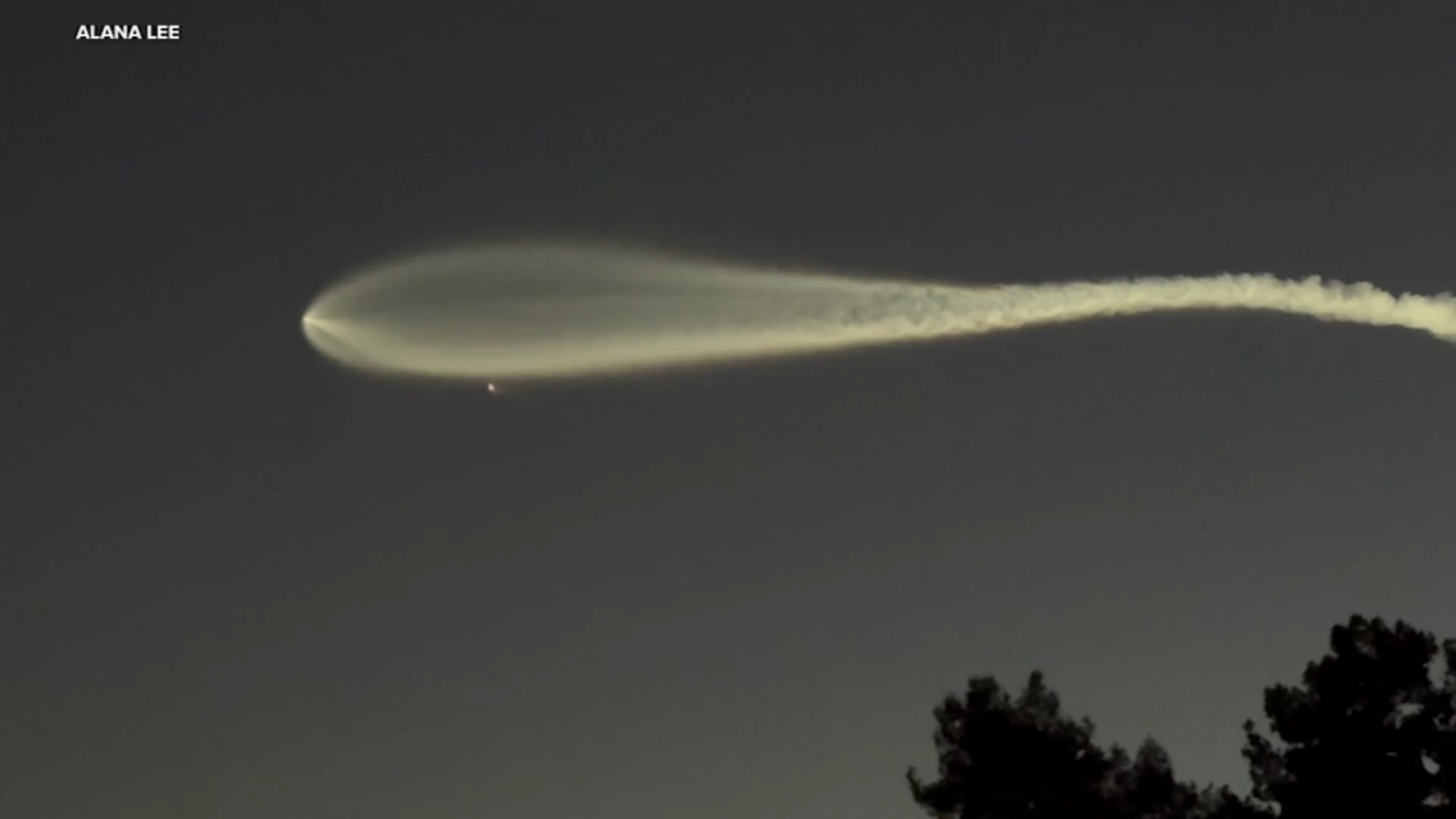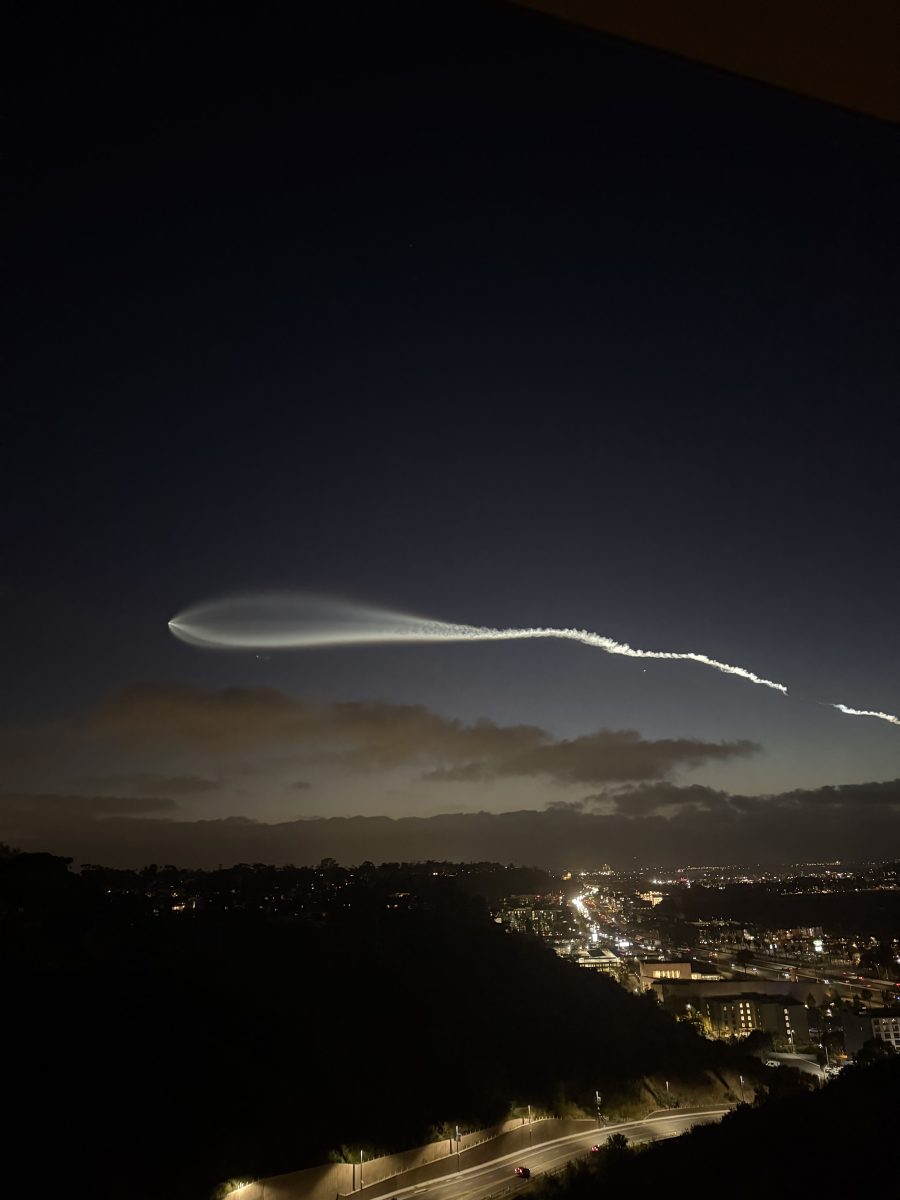
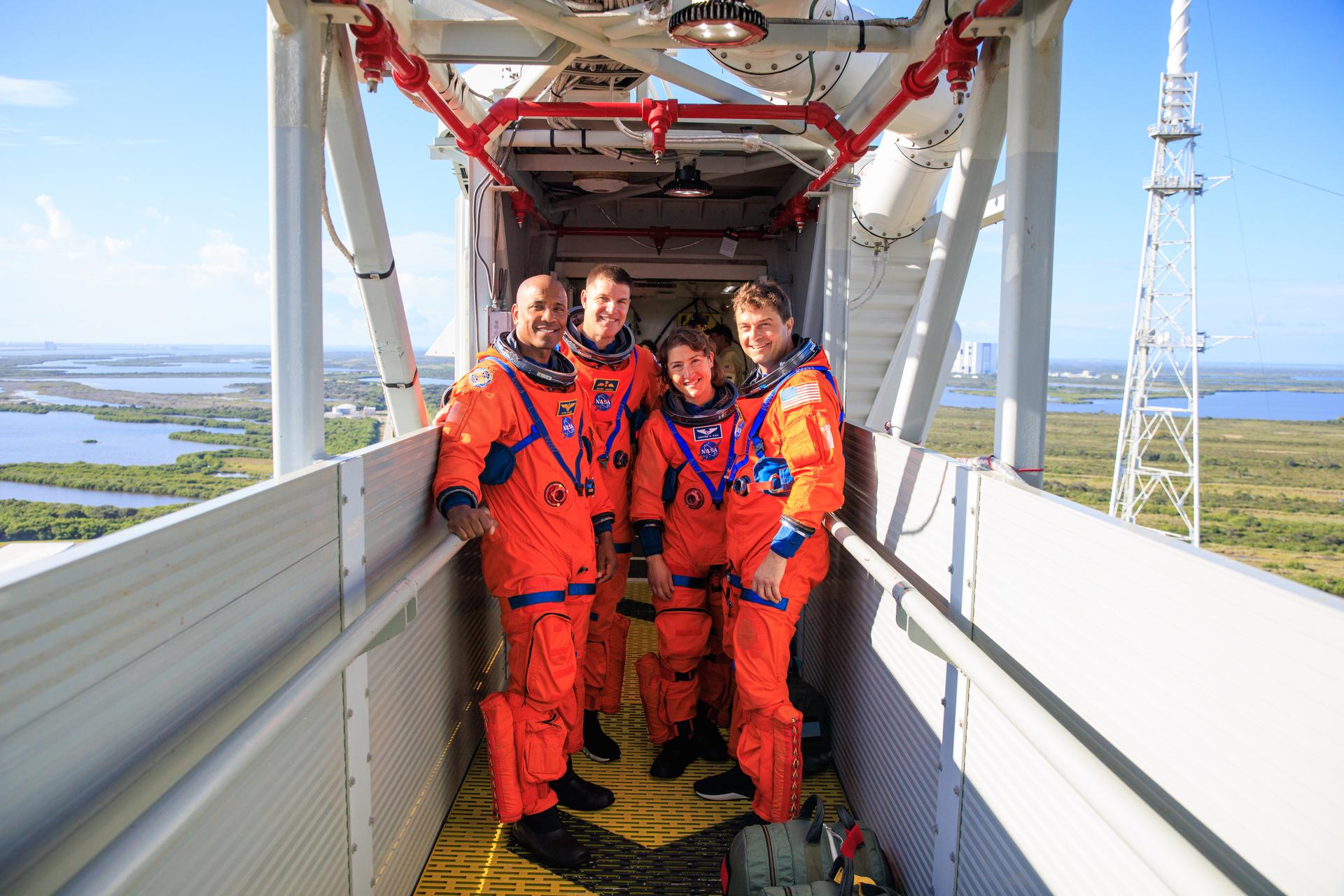
Four astronauts strapped into an Orion capsule crossed 252,756 miles of empty space, swung around the Moon's far side, and headed home. On April 10, they will splash down in the Pacific Ocean off San Diego. Fifty-four years separated this flight from Apollo 17. That gap tells you more about human spaceflight than the mission itself.
The crew: NASA astronauts Reid Wiseman (commander), Victor Glover (pilot), Christina Koch (mission specialist), and Canadian Space Agency astronaut Jeremy Hansen. Glover is the first Black astronaut to fly beyond low Earth orbit. Hansen is the first non-American to leave Earth orbit. Koch already held the record for the longest single spaceflight by a woman. These are firsts that reshape who gets to claim the frontier.
Artemis II launched April 1, 2026, from Kennedy Space Center's Launch Complex 39B aboard the Space Launch System, the most powerful rocket NASA has ever flown. The mission profile called for a free-return trajectory around the Moon, testing Orion's life support, navigation, and communication systems with humans aboard for the first time.
Distance Record: Artemis II reached 252,756 miles from Earth, exceeding Apollo 13's 248,655-mile record by over 4,000 miles.
Verified
During the lunar flyby, the crew surpassed Apollo 13's record for the farthest distance humans have traveled from Earth. Apollo 13 reached 248,655 miles in April 1970 during its emergency return. Artemis II exceeded that mark by more than 4,000 miles. The crew captured views of the Moon's far side that no human eyes had seen at that proximity since the Apollo era.
 Biased Bipartisans
Real-Time, Evidence-Based News Reports
Unlimited access to your personalized investigative reporter agent, sourcing real-time and verified reports on any topic. Your personalized news feed starts here.
Create Free AccountRecovery operations will involve the USS John P. Murtha stationed off the coast of San Diego. Helicopter teams will extract the crew from the bobbing Orion capsule. Post-flight medical evaluations will happen aboard the ship before the astronauts fly to Johnson Space Center in Houston.
Mission Duration: 10-day lunar flyby, launching April 1 and splashing down April 10, 2026, off the coast of San Diego.
Verified
The Artemis program's schedule tells you where this is heading. Artemis III, planned for 2028, aims to land astronauts on the lunar south pole using SpaceX's Starship Human Landing System. Artemis IV would dock with the Gateway lunar space station. Each step pushes infrastructure deeper into cislunar space. The pattern is colonization infrastructure disguised as exploration milestones.
The 54-year gap between crewed lunar missions reveals a structural truth about space policy. Political cycles run on four-year timelines. Lunar programs need 15 to 20 years of sustained investment. Every cancellation (Constellation in 2010, budget cuts in the 1970s) reset the clock. Artemis survived two administrations so far. The next three years will determine whether this trajectory holds or collapses into another multi-decade pause.
Historic Firsts: Victor Glover is the first Black astronaut beyond low Earth orbit; Jeremy Hansen is the first non-American to leave Earth orbit.
Verified
Biased BipartisansThink Further on BIPI.
Where seeking the truth is a journey, not a destination.
Learn moreInternational partnerships add resilience. Canada contributed the Canadarm3 robotic system for Gateway and earned Hansen's seat. The European Space Agency built Orion's service module. Japan and other partners have signed the Artemis Accords. When programs depend on treaty obligations and multinational hardware, they become harder to cancel. That is the second-order effect most coverage misses.
The commercial layer matters too. SpaceX's Starship contract for the lunar lander ties NASA's timeline to private-sector development velocity. Blue Origin holds the Artemis V lander contract. Two competing commercial lander providers create redundancy the Apollo program never had. If one slips, the other can absorb the schedule pressure.
54-Year Gap: The last crewed mission beyond low Earth orbit was Apollo 17 in December 1972.
Verified
Demographics shift the equation further. The median age of NASA's current astronaut corps is 44. The engineers who built the Space Launch System are a decade older than the ones who will operate Gateway. Workforce transition is a ticking constraint that no press conference mentions.
Artemis II proved the capsule works with humans inside. The harder question is whether the political and industrial systems supporting it can sustain the 15-year cadence required to build a permanent lunar presence. The trend line from Apollo says no. The multinational architecture of Artemis says maybe. The next data point arrives when Congress funds Artemis III through completion.