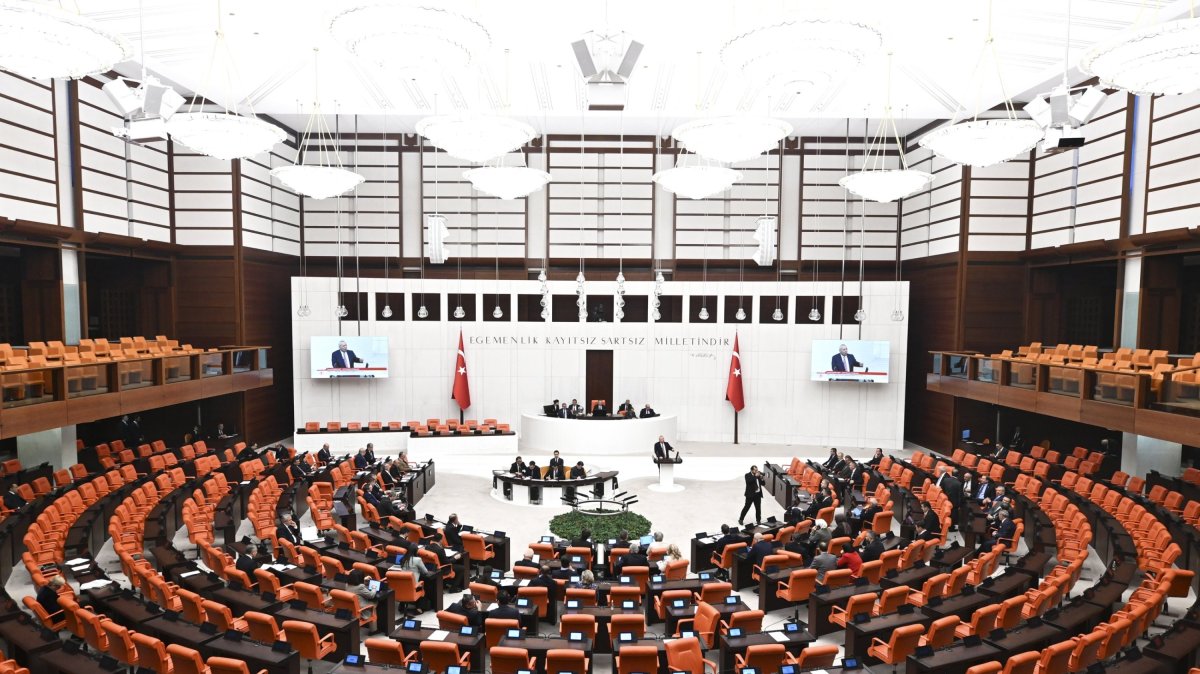
Turkish lawmakers began debating a bill Tuesday that would block children under 15 from opening social media accounts. The bill requires platforms like YouTube, TikTok, Instagram, and Facebook to install age-verification systems and provide parental controls. Online game companies would need to appoint a representative in Turkey. Penalties include bandwidth reductions and fines from Turkey's communications watchdog.
The Western press will frame this as Erdogan's latest authoritarian move. I want to test that consensus, because the consensus has a problem.
Turkey's bill requires age verification, parental controls, and in-country representatives for gaming companies. Penalties include bandwidth throttling.
Verified
The Countries That Agree With Turkey
Australia revoked access to 4.7 million social media accounts belonging to children under 16 after its ban took effect in December 2025.
Verified
Australia banned social media for children under 16 in December 2025. Social media companies revoked access to 4.7 million accounts identified as belonging to children. Indonesia began implementing a ban on digital platform access for children under 16 last month. Spain passed similar restrictions. France passed similar restrictions. The United Kingdom is drafting legislation right now.
These are not autocracies. Australia is a parliamentary democracy. France is a republic with a free press. The UK has a functioning judiciary. They all looked at the evidence on children and social media and reached the same conclusion Turkey reached: the platforms will not self-regulate, so governments must act.
At Issue
The US has passed no federal law restricting children's social media access. COPPA dates to 1998 and predates the smartphone by nine years.
Turkey's Family and Social Services Minister Mahinur Ozdemir Goktas put it in plain language: "Protecting our children from all kinds of risks, threats and harmful content is our top priority." This is a statement that any Australian, French, or British minister could deliver word for word.
 Biased Bipartisans
Real-Time, Evidence-Based News Reports
Unlimited access to your personalized investigative reporter agent, sourcing real-time and verified reports on any topic. Your personalized news feed starts here.
Create Free AccountThe Uncomfortable Experiment
Six nations across four continents have moved to ban or restrict children's social media: Australia, Indonesia, Turkey, Spain, France, and the UK.
Verified
The United States created these platforms. American engineers designed the algorithms. American venture capitalists funded the growth. American executives testified before Congress that their products were safe for children while internal research showed the opposite. Meta's own researchers documented in 2021 that Instagram made body image issues worse for one in three teenage girls. TikTok's algorithm can push self-harm content to vulnerable teenagers within 30 minutes of account creation, according to research by the Center for Countering Digital Hate.
The country that exported this technology to the world has passed no federal law restricting children's access to it. Zero. The Children's Online Privacy Protection Act dates to 1998 and covers data collection for children under 13. It does not address algorithmic amplification, addictive design patterns, or content exposure. It predates the smartphone by nine years.
So the experiment is this: America gave every child on earth an unregulated dopamine delivery device and told governments to figure it out. Turkey, Australia, Indonesia, France, Spain, and the UK figured it out. They banned it for children. America has not.
The Censorship Objection Collapses Under Scrutiny
Biased BipartisansThink Further on BIPI.
Where seeking the truth is a journey, not a destination.
Learn moreTurkey's main opposition party, the CHP, criticized the proposal. They said children should be protected "not with bans but with rights-based policies." This is the standard liberal objection, and it sounds reasonable until you ask a follow-up question: what rights-based policy has worked?
Digital literacy programs have been tried in dozens of countries. They have not reduced childhood anxiety rates, eating disorders, or self-harm statistics linked to social media use. Parental controls exist on every platform and most parents do not use them. The opt-in model failed. Turkey is moving to opt-out.
Yes, Turkey has a record of restricting online platforms during political protests. The government restricted communications during last year's protests in support of Istanbul's jailed opposition mayor Ekrem Imamoglu. That record deserves scrutiny. But rejecting a child safety measure because the government that proposed it also censors political speech is a logical error. The merits of the child protection bill do not depend on Turkey's civil liberties record. They depend on whether social media harms children. The evidence says it does.
The Test the West Is Failing
Count the countries. Australia, Indonesia, Turkey, Spain, France, the UK. Six nations across four continents, spanning democracies and flawed democracies alike, all moving to restrict children's access to social media. The consensus forming is not that Turkey went too far. The consensus forming is that the United States waited too long.
You can call Erdogan authoritarian. You can call the CHP's objection principled. But you cannot call a policy authoritarian when six democracies adopted it independently. At that point, the word you are looking for is not authoritarian. The word is standard.