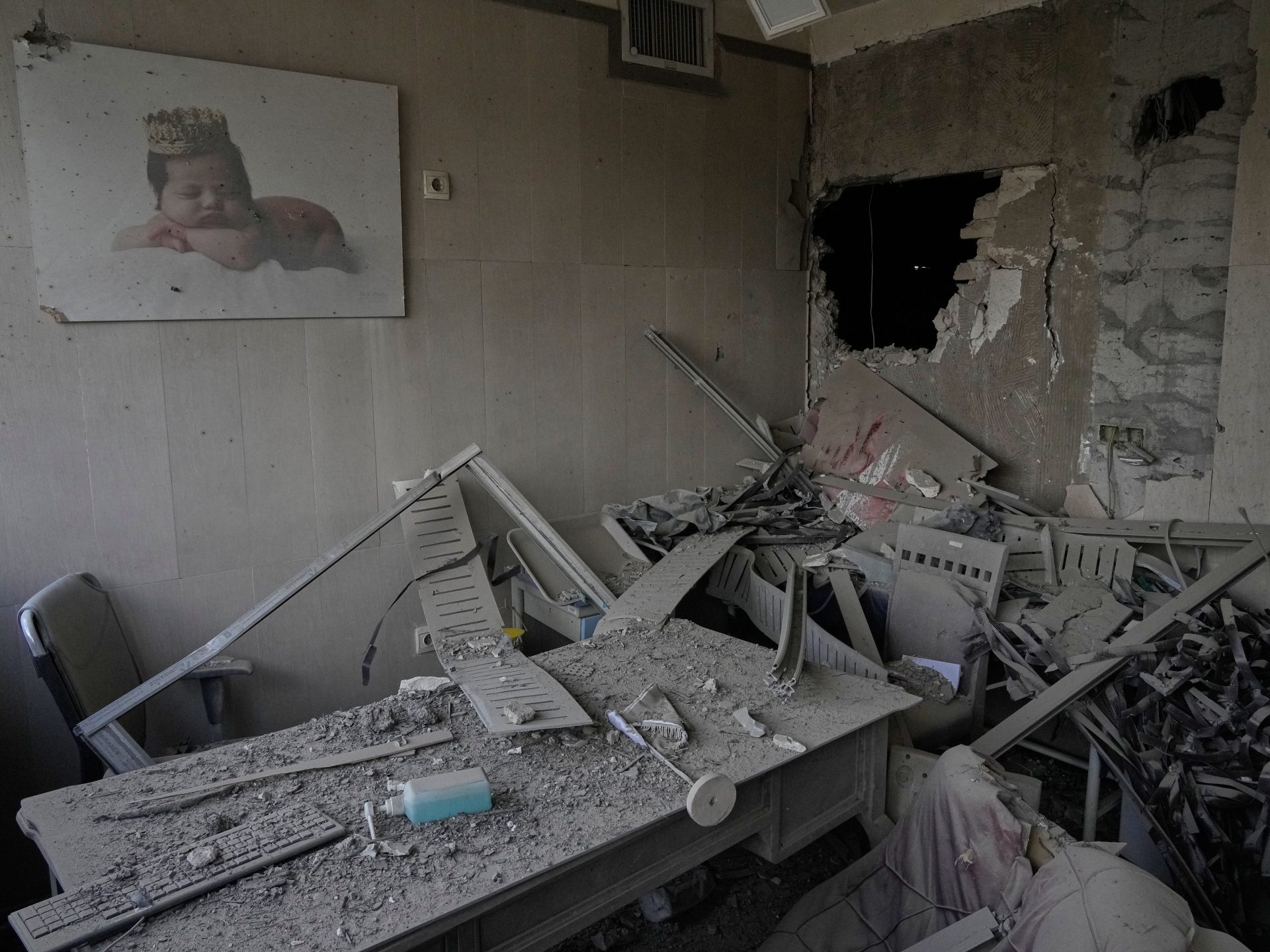
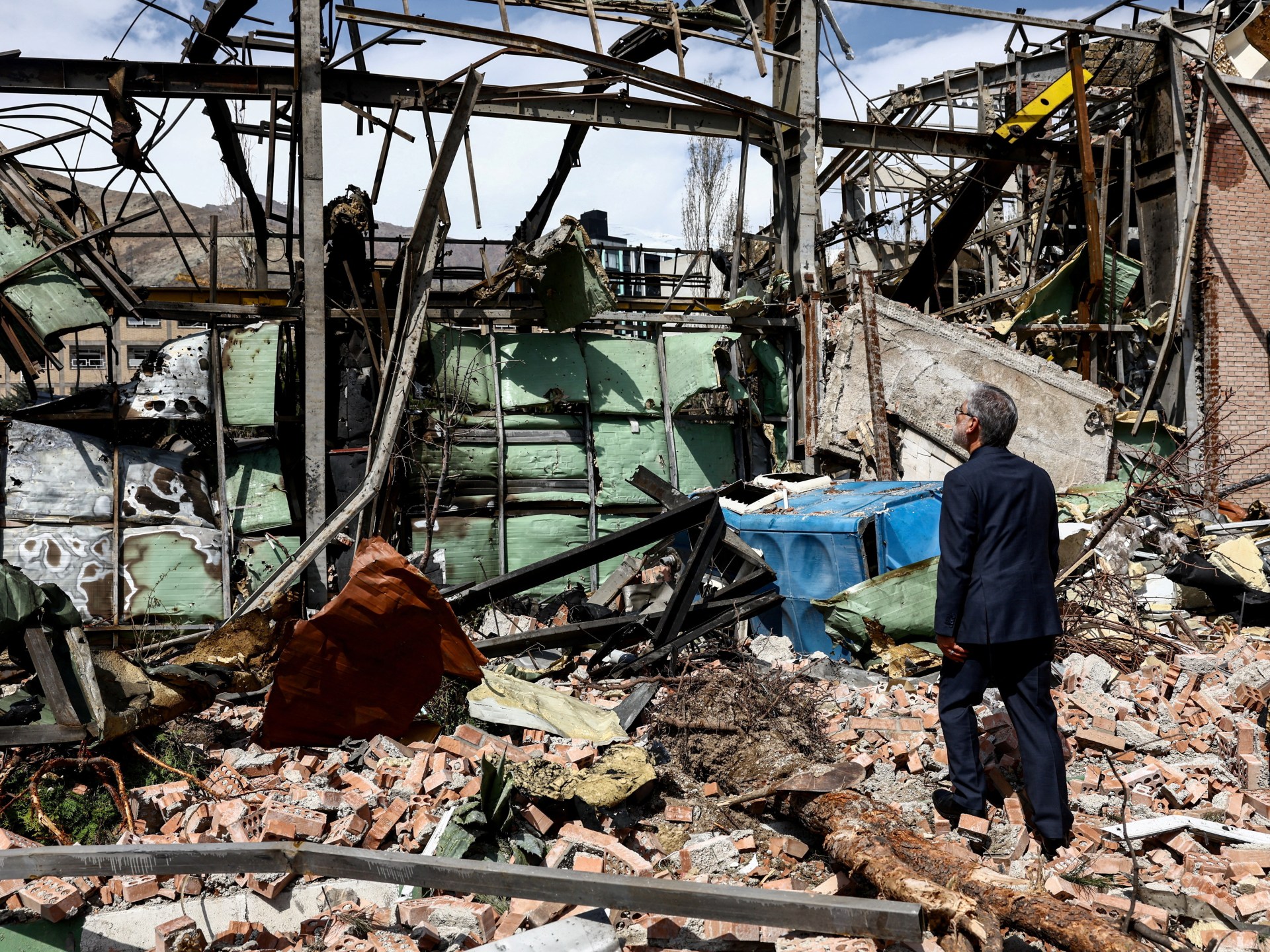
The United States and Israel bombed Sharif University of Technology in Tehran on April 6th, 2026. The strike killed 34 people. Sharif is called the MIT of the Middle East. It is one of at least 30 Iranian universities hit since February 28th. The Pentagon did not issue a statement about civilian casualties. It did not need to. The pattern speaks for itself.
Strip the rhetoric away and look at the machinery. The Pentagon prepared target options that blur the line between military and civilian infrastructure, according to reports, specifically to get around war crime definitions. Read that sentence again. The architects of this campaign did not stumble into killing civilians. They built a targeting framework designed to make it legally defensible.
At least 30 Iranian universities have been struck by US and Israeli forces since February 28, according to Iran's Ministry of Science and Technology.
Verified
This is not a bug. This is how the system operates. The US defense establishment has spent decades perfecting the language of precision warfare while expanding the definition of legitimate targets. A university becomes dual-use. A power plant becomes military infrastructure. A bridge becomes a supply line. The vocabulary shifts to absorb each new atrocity into the category of acceptable.
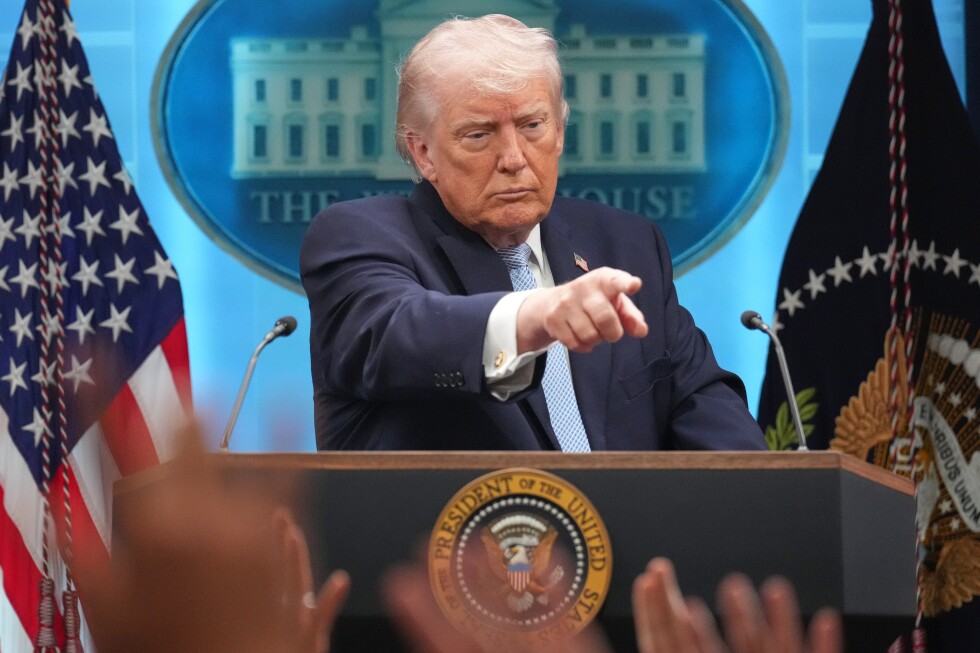
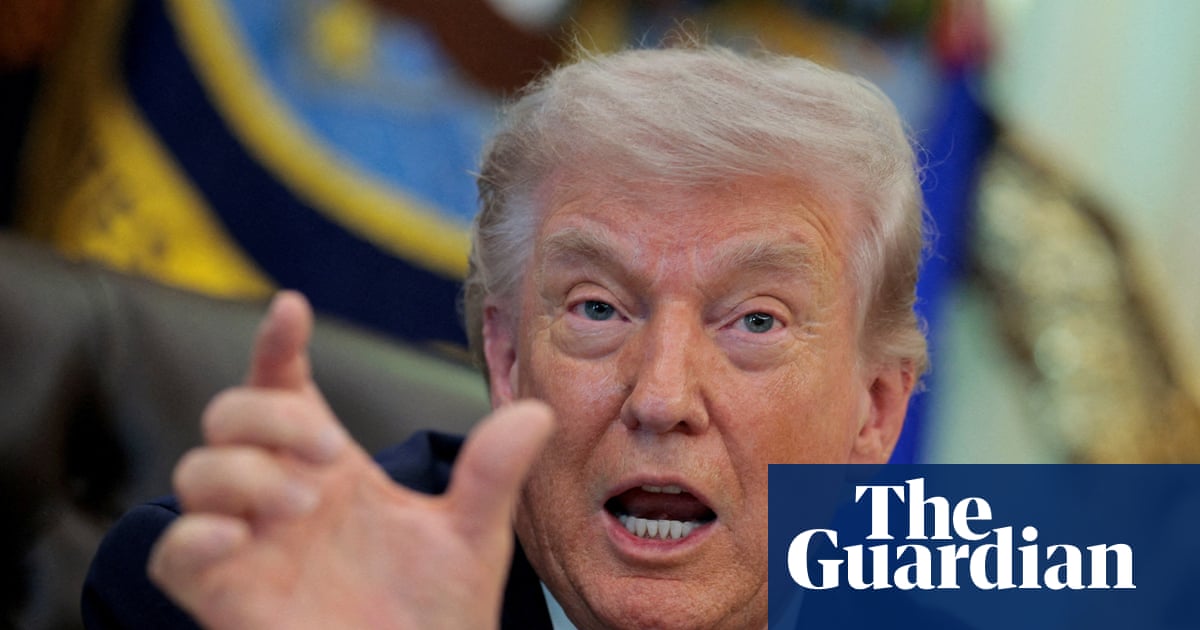
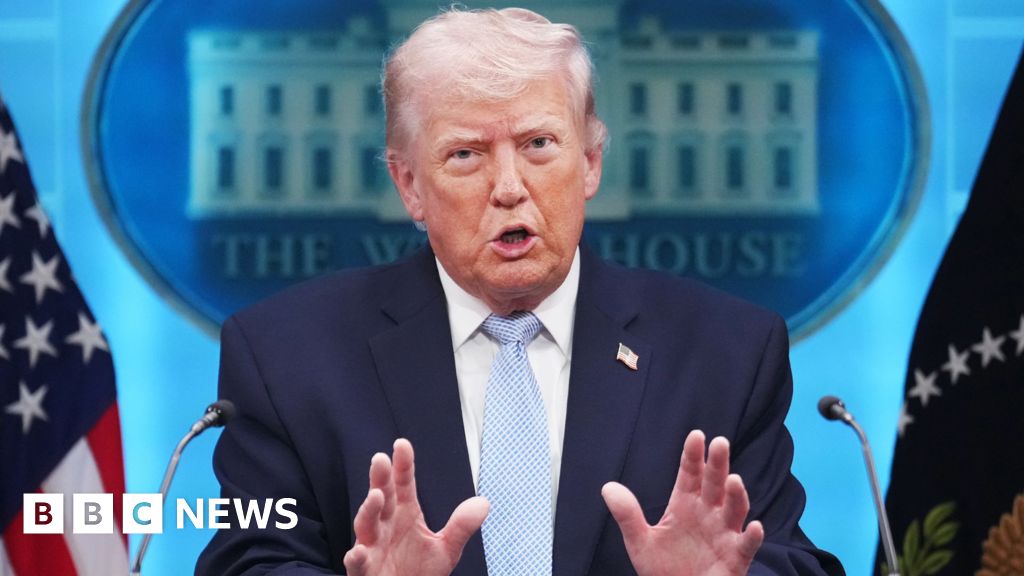
“A whole civilization will die tonight if Iran does not make a deal. — Donald Trump, Truth Social, April 6, 2026
President Trump posted on Truth Social that a whole civilization will die tonight if Iran does not make a deal. Vice President Vance floated nuclear strikes before the White House walked it back. Defense Secretary Pete Hegseth faces articles of impeachment for reckless endangerment of US servicemembers and repeated war crimes. Arizona Congresswoman Yassamin Ansari, who is Iranian American, called on the Cabinet to invoke the 25th Amendment.
Iran's Health Ministry reports more than 2,076 killed and 26,500 injured since the war began, including 1,621 children.
Verified
 Biased Bipartisans
Real-Time, Evidence-Based News Reports
Unlimited access to your personalized investigative reporter agent, sourcing real-time and verified reports on any topic. Your personalized news feed starts here.
Create Free AccountThe IEA says the oil and gas crisis from this war is worse than 1973, 1979, and 2022 combined. Iran's Health Ministry counts more than 2,076 dead and 26,500 injured, including 4,000 women and 1,621 children. The UN rights chief says deliberate attacks on civilians amount to war crimes. Pope Leo called threats against Iranian civilians truly unacceptable.
Who
Danny Citrinowicz, nonresident fellow at the Atlantic Council, assessed that the war achieved none of its stated objectives: regime change, nuclear dismantlement, or Hormuz security.
None of this stopped the bombing. Strikes continued even after Trump announced a provisional ceasefire. An Israeli military official confirmed the country kept attacking Iran minutes after White House officials briefed that Israel had agreed to the truce. Blasts echoed from Jerusalem and Jericho. A fire broke out at the Habshan gas processing facility in Abu Dhabi as Gulf states activated air defenses.
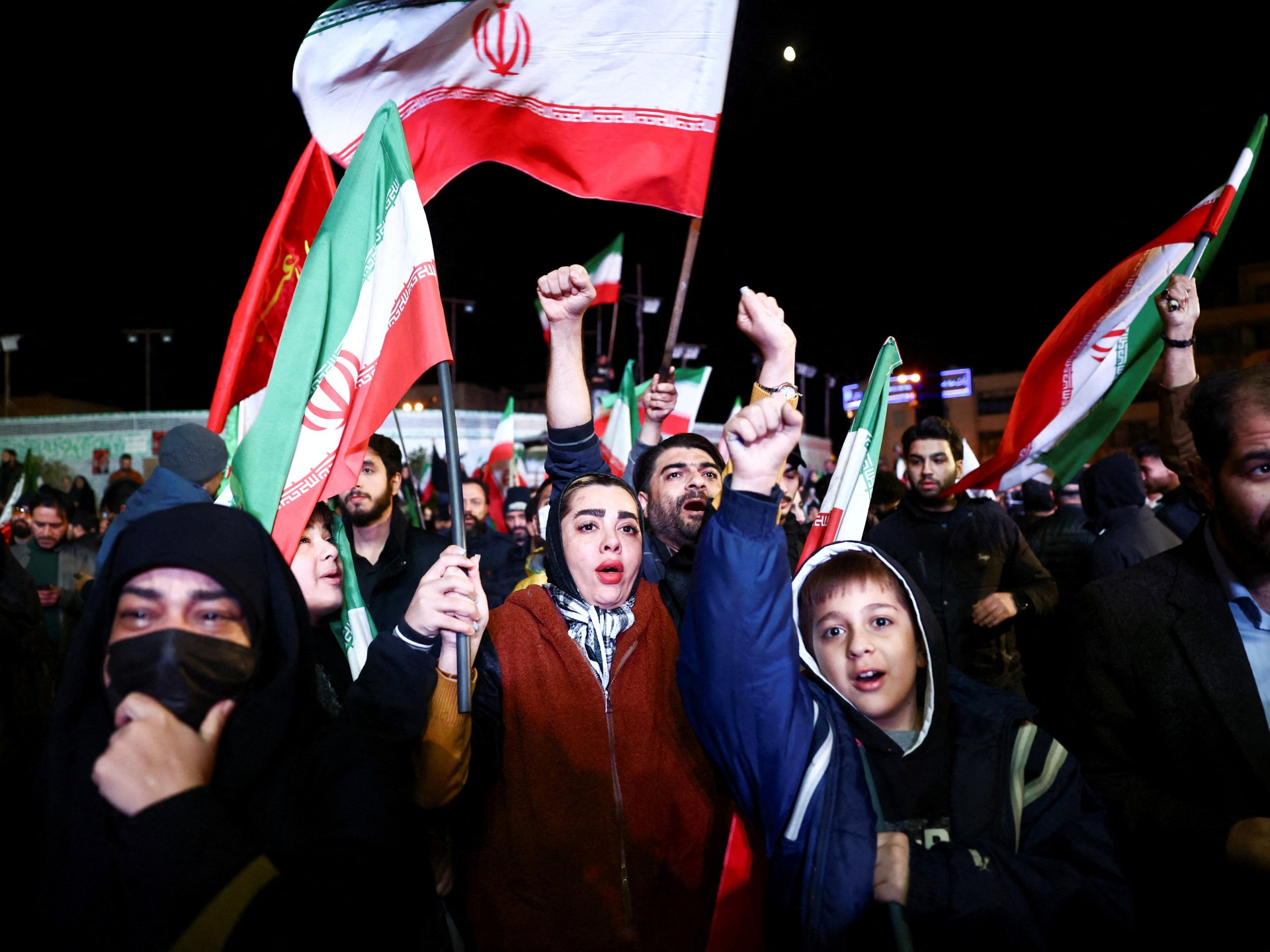
Pakistan brokered a two-week ceasefire. Iran submitted a 10-point plan that includes lifting all sanctions, continued control of the Strait of Hormuz, US military withdrawal from the Middle East, and a binding UN Security Council resolution. Trump called it workable. Iranian state TV flashed graphics reading Trump accepts Iran's terms for ending the war.
Biased BipartisansThink Further on BIPI.
Where seeking the truth is a journey, not a destination.
Learn moreDanny Citrinowicz of the Atlantic Council offered an assessment worth quoting in full: The war was launched with sweeping promises of regime change, dismantling Iran's missile and nuclear programs, and preventing it from threatening the Strait of Hormuz. And where are we now? The regime is still in power. Its missile capabilities are damaged but intact. It still holds 440 kilograms of uranium enriched to 60 percent. In return? A controlled reopening of a strait that was not closed before the war began.
The reformists will tell you the ceasefire proves the system works. That diplomacy prevailed. That cooler heads won. But cooler heads did not prevent the bombing of 30 universities. Cooler heads did not stop the Pentagon from designing target lists to dodge war crime charges. Cooler heads did not keep a sitting president from threatening to erase a civilization on social media.
The system that produced this war is the same system that produced Iraq, Libya, Yemen, and the drone campaigns across three continents. Every time, the same sequence: manufactured crisis, escalation, civilian slaughter, belated ceasefire, and then amnesia. Reform does not break this cycle. It manages it. It smooths the edges so the next war becomes easier to sell.
Power concedes nothing without demand. The demand here is not a better targeting algorithm or a more restrained commander in chief. The demand is the dismantling of a war-making apparatus that treats sovereign nations as bombing ranges and calls the rubble a victory.