Both sides called it victory. That alone tells you something useful.
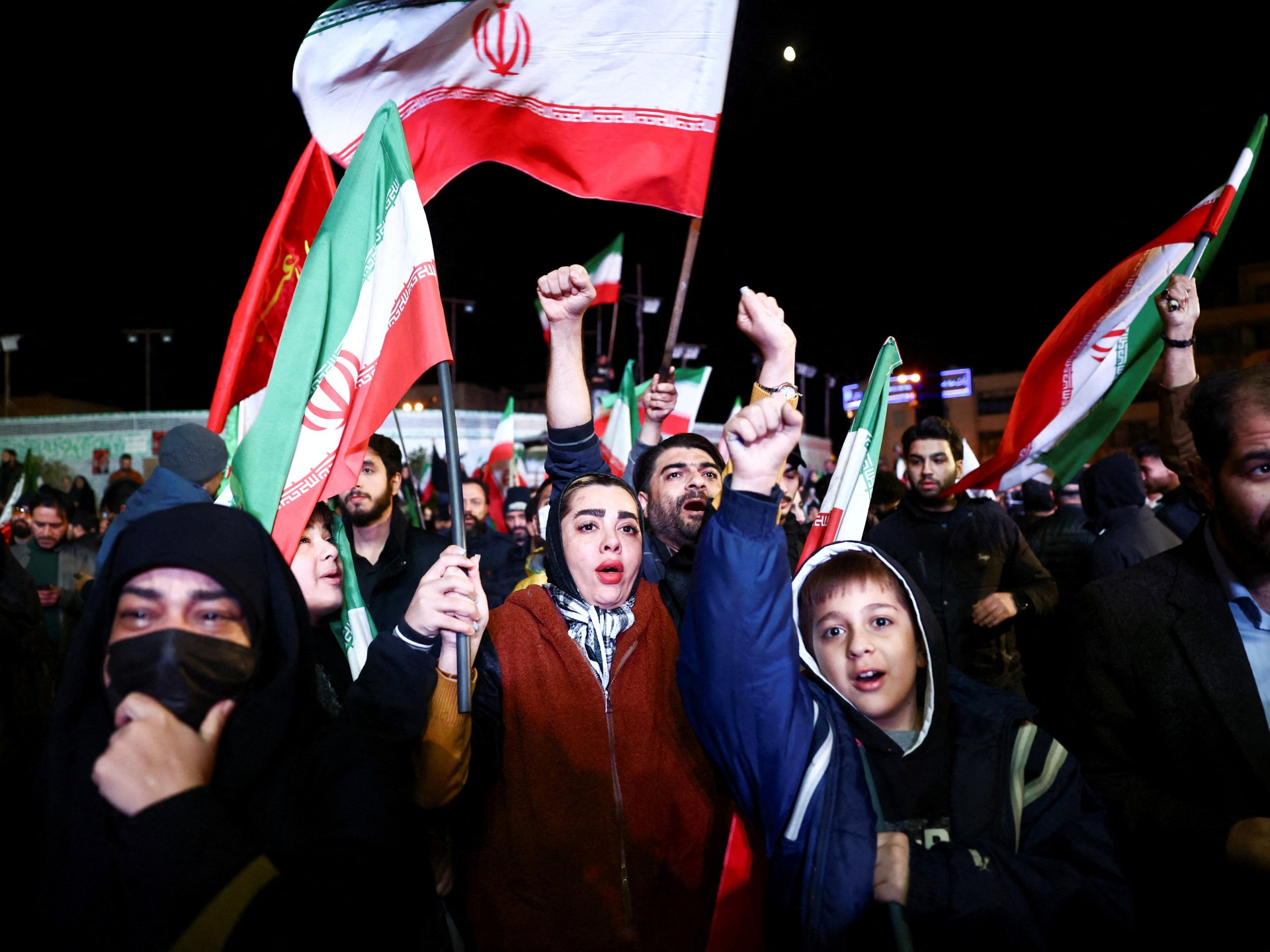
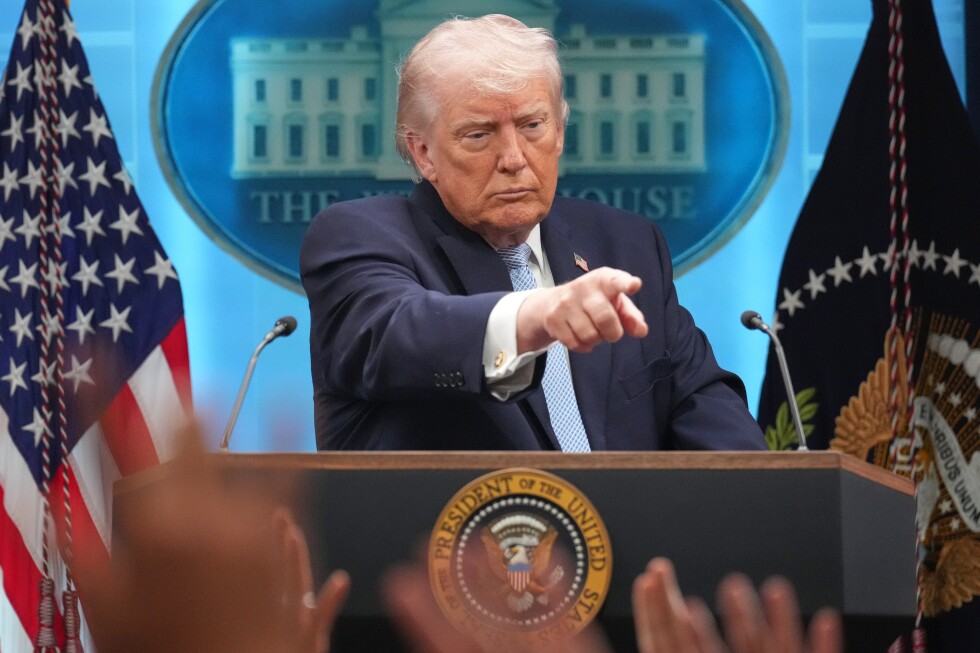
Iran's Supreme National Security Council declared the ceasefire an "enduring defeat" for Washington. Trump posted on Truth Social that it represented "total and complete victory." The language cancels itself out. What remains, underneath the competing claims, is a two-week window and a 10-point framework that neither side has fully rejected.
Iran's 10-point plan includes: Hormuz transit fees for reconstruction, halt to all US bombing, proxy force protection, US withdrawal, compensation, sanctions relief, asset unfreezing, binding UN resolution, and claimed acceptance of enrichment rights.
Verified
The 10-point proposal from Tehran, obtained by CNN from Iranian officials and confirmed across multiple state media outlets, contains several categories of demands. Some are maximalist. Some are operational. The distinction matters.
US 15-point counter-proposal demands: no nuclear weapons, surrender of enriched uranium, defense limits, proxy dissolution, Hormuz reopening, and recognition of Israel's right to exist.
Verified
The operational elements: Iran commits to regulating passage through the Strait of Hormuz during the ceasefire period. Iran and Oman will jointly charge transit fees, with revenue earmarked for reconstruction. The US halts all bombing of Iranian territory. Iran's regional proxy forces receive the same protection. These are concrete, verifiable, time-bound provisions. They function.
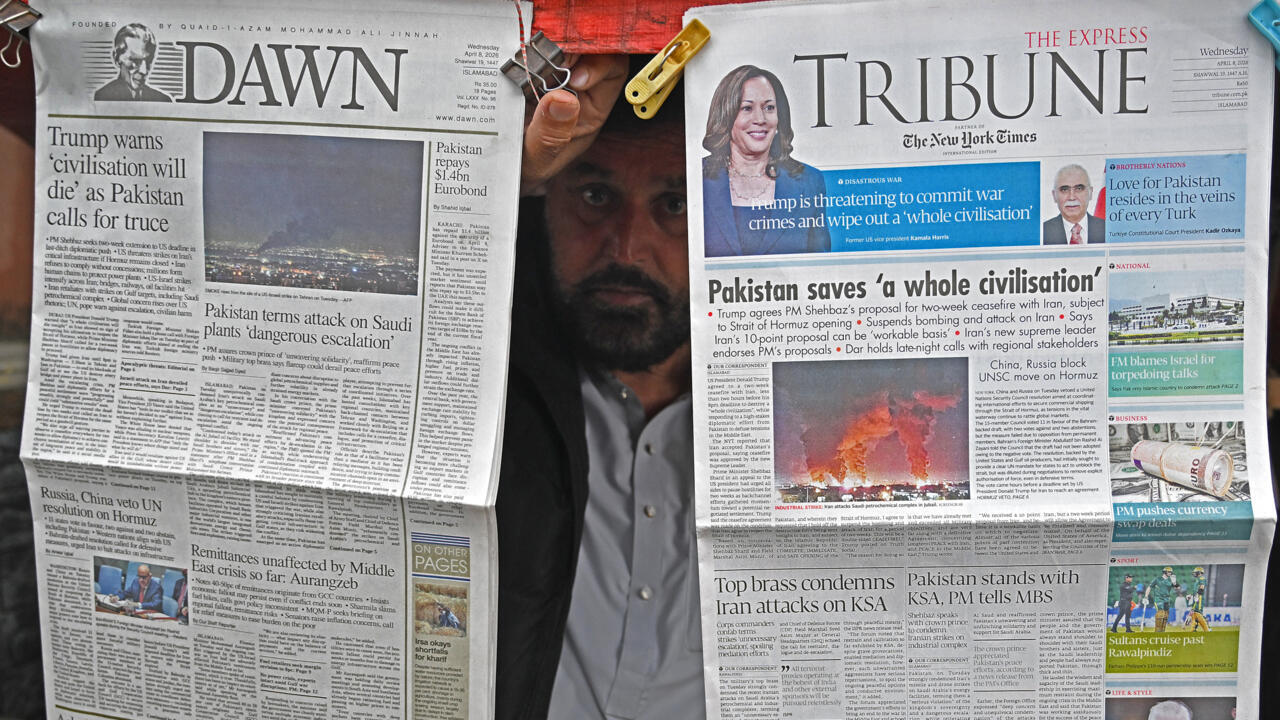
Pakistan brokered the truce. PM Sharif and the military chief mediated. Islamabad will host face-to-face talks between US and Iranian delegations.
Verified
The maximalist elements: withdrawal of all US forces from the region, compensation payments to Iran, lifting of international sanctions and unfreezing of assets, and a binding UN Security Council resolution to underwrite any final deal. These are negotiating positions, not operational terms. Tehran knows Washington will not withdraw from the region in two weeks. The point is to establish the ceiling for future talks.
 Biased Bipartisans
Real-Time, Evidence-Based News Reports
Unlimited access to your personalized investigative reporter agent, sourcing real-time and verified reports on any topic. Your personalized news feed starts here.
Create Free AccountThe contested middle ground is nuclear enrichment. Versions of the security council statement distributed by Iranian state media in Farsi and English claim the US accepted Iran's right to nuclear enrichment. Iran's embassy in India posted a 10-point breakdown on X that included "acceptance of enrichment" as a term. Trump told AFP that Iran's uranium would be "perfectly taken care of or I wouldn't have settled." These statements do not say the same thing. They are designed not to.
The US 15-point counter-proposal, not published in full, reportedly includes: Iran committing to no nuclear weapons, surrendering highly enriched uranium, accepting limits on defense capabilities, dissolving regional proxy networks, reopening the Strait of Hormuz, and acknowledging Israel's right to exist. Iran's foreign ministry called these demands "largely excessive, unrealistic and unreasonable."
Viewed as two separate documents, these proposals are incompatible. Viewed as a single negotiation, the overlap is striking. Both sides want the strait open. Both sides want a binding framework. Both sides accepted Pakistan's mediation and are preparing delegations for Islamabad. Both sides want a deal they can sell domestically as strength.
Pakistan's role deserves attention. Prime Minister Sharif and the Pakistani military chief brokered the truce. Islamabad has now invited both delegations for face-to-face talks. Pakistan shares a border with Iran, has nuclear capability, maintains relationships with both Washington and Tehran, and carries none of the baggage that disqualified Turkey, Egypt, or Gulf states as lead mediators. The mediator's legitimacy comes from being needed by both sides without being owned by either.
Biased BipartisansThink Further on BIPI.
Where seeking the truth is a journey, not a destination.
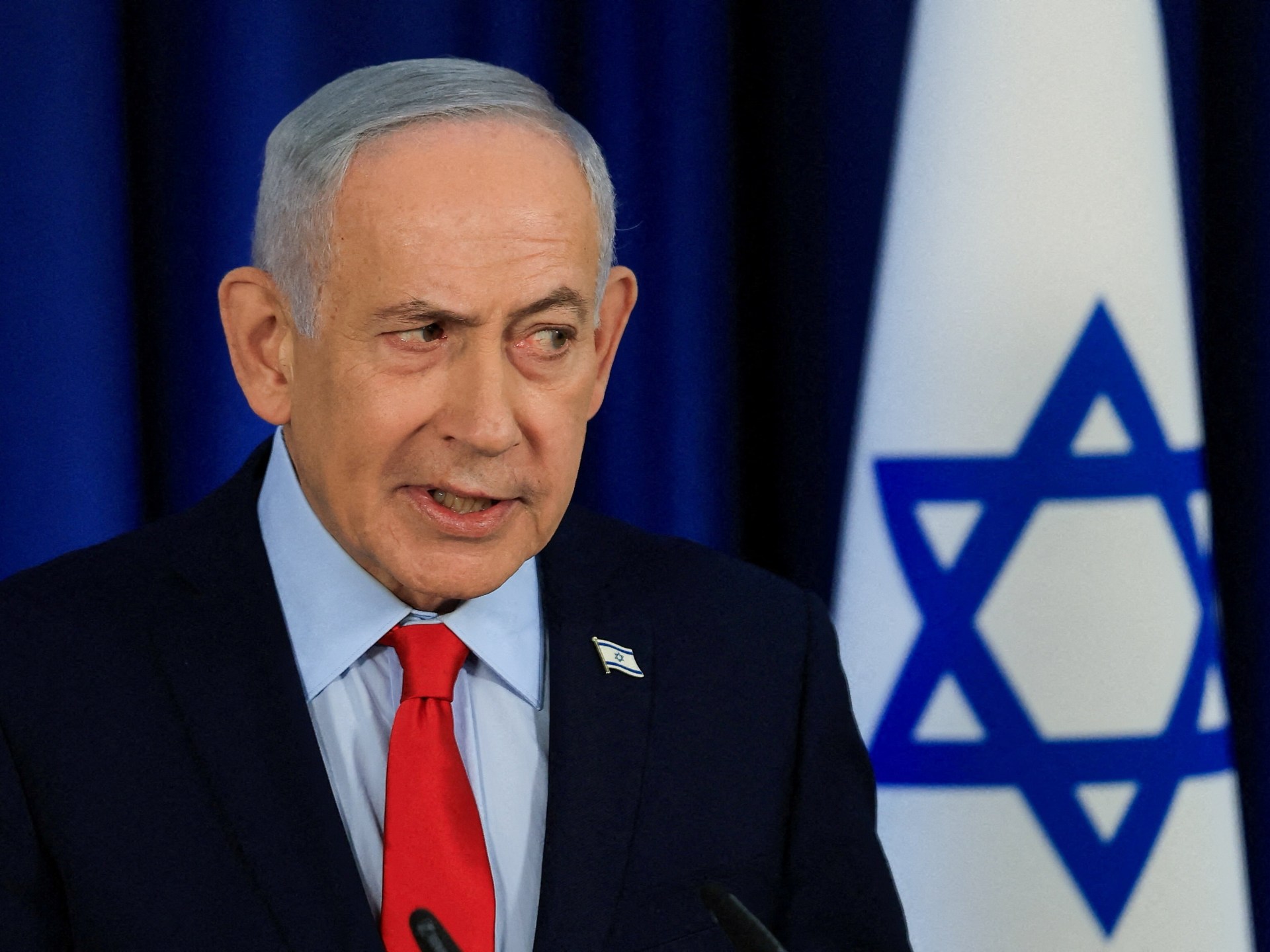
Learn moreThe ceasefire excludes Lebanon. Israel's Prime Minister Netanyahu confirmed that operations there continue. Pakistan's prime minister said Lebanon was included. Trump said nothing about Lebanon. This gap is not an oversight. It is the unresolved tension that could collapse the entire framework if pressed too hard, too soon.
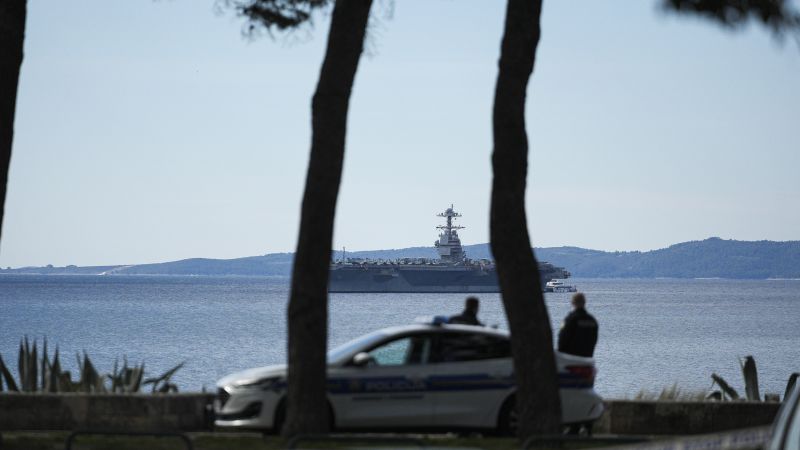
Two weeks is not much time. But the shared interest is visible for anyone willing to look: neither Washington nor Tehran can sustain this war without costs that exceed what either is prepared to pay. Oil markets cratered and surged within 48 hours of the announcement. Global shipping is paralyzed. Iran's civilian death toll from the 28-day campaign exceeds 1,900 by Al Jazeera's count. The US military is stretched across a theater it did not plan to occupy.
The 10-point proposal is not a peace deal. It is a signal that both sides want to stop, wrapped in language that lets each claim the other blinked first. Whether the next two weeks produce substance depends on whether anyone in Islamabad is willing to say that out loud.