The ceasefire between the United States and Iran contains a clause that most analysts are treating as a footnote. It is the most important line in the agreement.
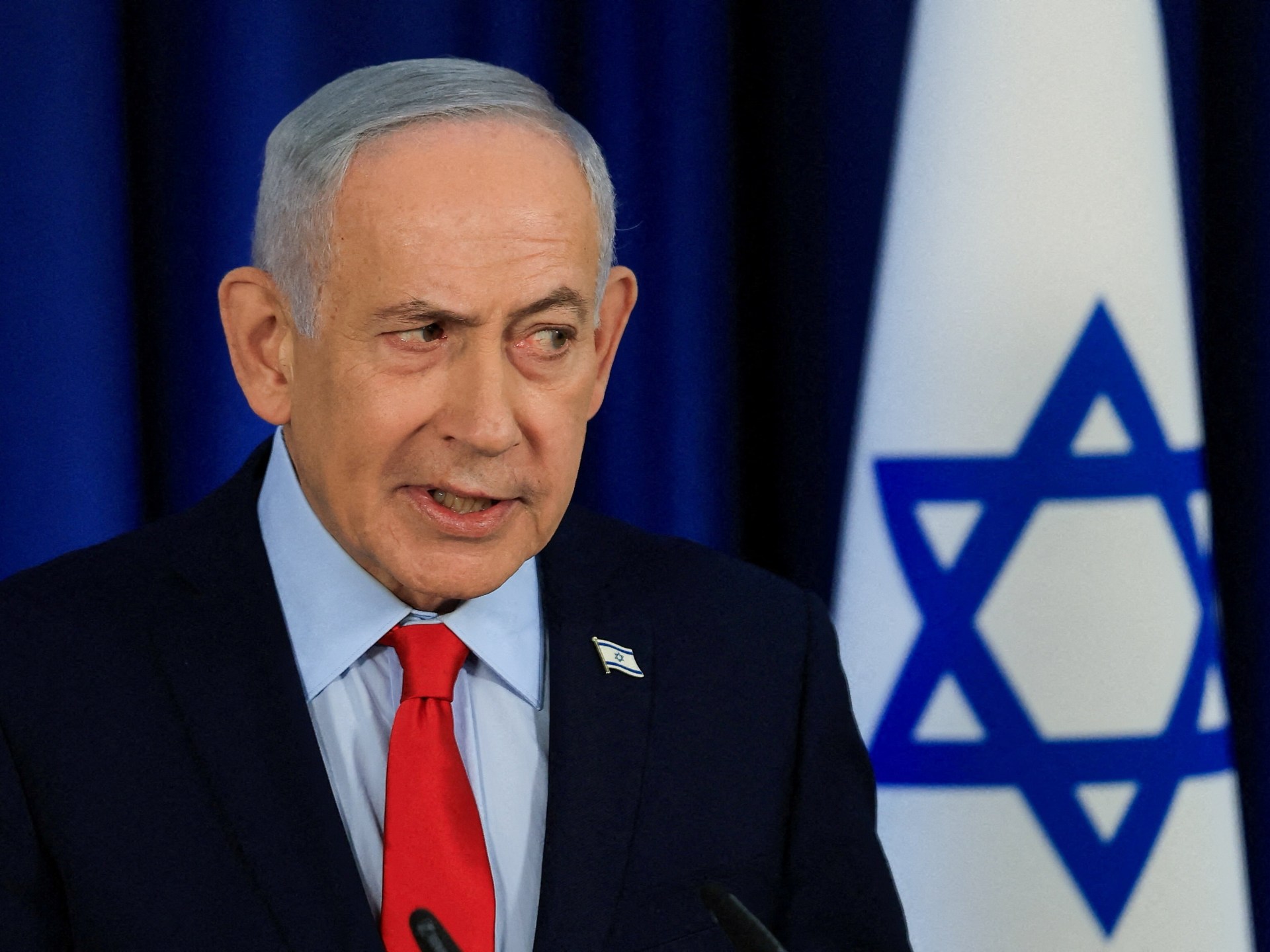
Israel will suspend bombing against Iran. Prime Minister Netanyahu's office confirmed this. But it also stated, in language that leaves no room for interpretation, that Lebanon is not part of the ceasefire. Pakistani Prime Minister Sharif contradicted this, claiming Lebanon was included. Trump made no mention of Lebanon in his Truth Social announcement.
Netanyahu's office confirmed: Israel suspends bombing of Iran but Lebanon is NOT part of the ceasefire. Pakistan's PM says Lebanon IS included. Trump made no mention of Lebanon.
Verified
When three parties to an agreement disagree on its scope, the party with military forces already deployed in the contested area sets the terms. Israel has those forces. Israel will define the scope in practice, regardless of what Pakistan announced.
This is not an accident. It is the strategic logic of the entire ceasefire from Israel's perspective.
Iran's Supreme National Security Council warned: "Should the slightest error be committed by the enemy, it shall be met with full force." Israeli strikes on Lebanon targets Iran considers covered could trigger full Iranian re-engagement.
Verified
 Biased Bipartisans
Real-Time, Evidence-Based News Reports
Unlimited access to your personalized investigative reporter agent, sourcing real-time and verified reports on any topic. Your personalized news feed starts here.
Create Free AccountFor 28 days, Israel operated alongside the United States in strikes against Iranian territory. Hezbollah, Iran's most capable proxy, maintained operations from Lebanon throughout the conflict. Iranian drones and missiles struck Israel. Israeli air defenses and retaliatory strikes were part of a combined campaign. The ceasefire freezes the Iran front. It does not freeze the Lebanon front.
The historical pattern is consistent. In 1982, Israel invaded Lebanon while the world focused on the Falklands War. In 2006, Israel launched a 34-day war in Lebanon while global attention centered on Iraq. The mechanism is the same each time: major international crises absorb diplomatic bandwidth, and Israel uses the reduced scrutiny to pursue objectives on its northern border. The Iran ceasefire generates a global news cycle about negotiations, oil prices, and Islamabad talks. Lebanon drops below the fold.
Hezbollah presents the credible threat that justifies continued operations. The organization fired rockets into Israeli territory during the Iran campaign. Its command structure, partially degraded by prior Israeli operations, retains capability. Iran's ceasefire does not require Hezbollah to stand down. It requires Iran to cease operations and protect its proxy forces from US strikes. The distinction is precise: Iran's proxies are shielded from American bombs but not from Israeli ones.
Biased BipartisansThink Further on BIPI.
Where seeking the truth is a journey, not a destination.
Learn moreSenator Chris Murphy, a Democrat, identified a related problem. He said allowing Iran to control the Strait of Hormuz would be a "history-changing win" for Tehran. He is correct about the strait. He is missing the Lebanon dimension. Israel's ability to operate freely in Lebanon while the world negotiates Iran's 10-point plan is an equally history-changing outcome. Dual-front wars require dual-front ceasefires. This one is deliberately single-front.
The question no one in Washington is asking: did the United States agree to exclude Lebanon as a concession to Israel, or did Israel insist on the exclusion as its price for joining the ceasefire? The answer determines whether Washington or Jerusalem controls the next phase of this conflict. If Israel set the terms, the United States just ceded veto authority over regional escalation to an ally that has consistently demonstrated willingness to escalate beyond American preferences.
Iran's Supreme National Security Council warned that "should the slightest error be committed by the enemy, it shall be met with full force." If Israel strikes a target in Lebanon that Iran considers covered by the ceasefire, Tehran has pre-announced its response. The ambiguity over Lebanon's inclusion is not a drafting oversight. It is a loaded trigger.
Weakness is provocative. The ceasefire signals to every actor in the region that the US will negotiate terms that allow its allies to continue fighting under separate rules. That is not peace. That is a hierarchy of permission, with Israel at the top and Lebanon at the bottom. Adversaries will study this precedent. They will conclude that American ceasefires protect some parties and expose others. That conclusion will shape the next ten years of Middle Eastern security calculations.