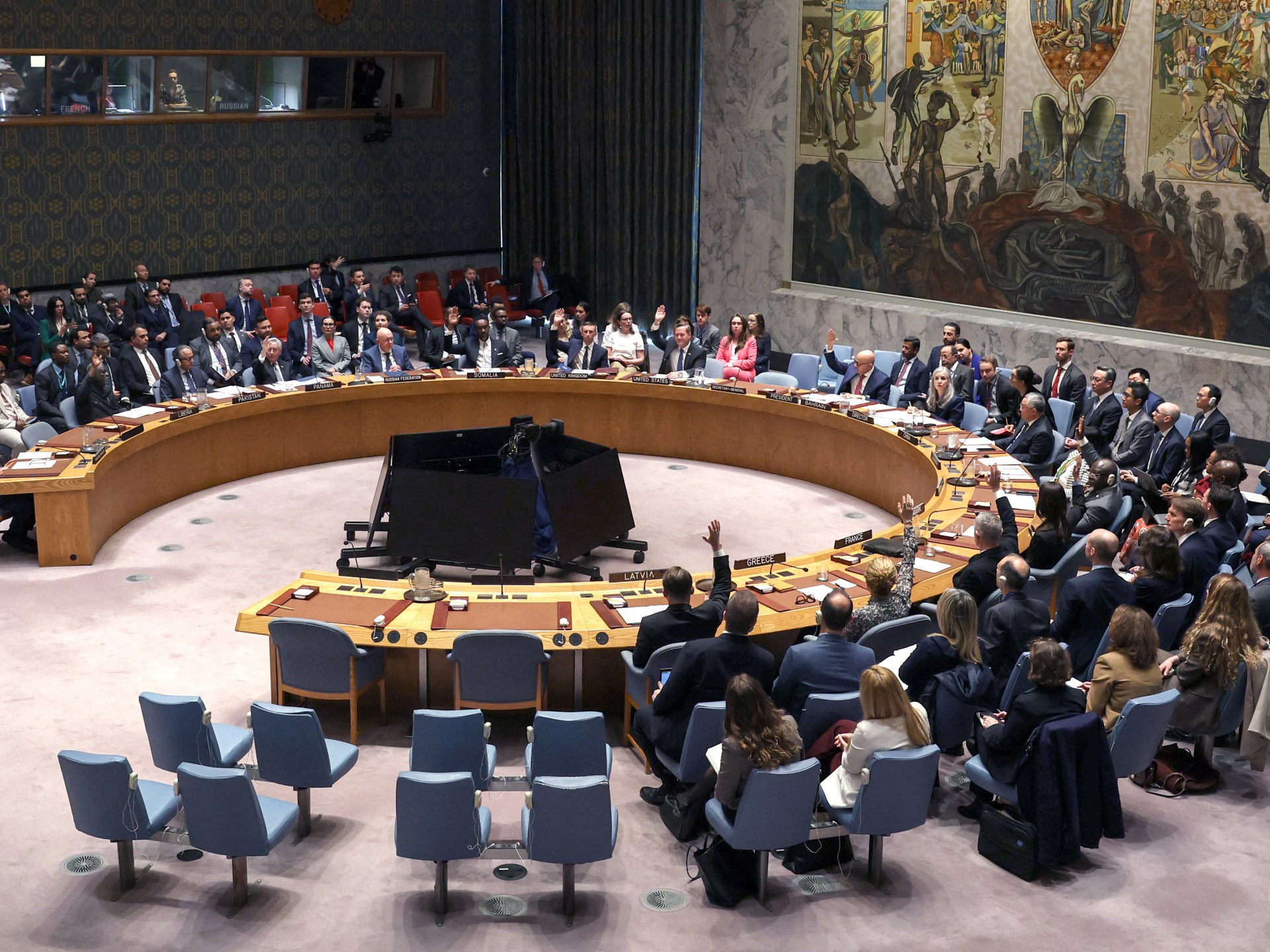
Russia and China vetoed the UN Security Council resolution on the Strait of Hormuz on April 7. The resolution called for immediate reopening of the waterway and an end to interference with commercial shipping. The vote was 11-2 with two abstentions. The resolution failed because two permanent members exercised their structural privilege.
This outcome was not a surprise. It was a mathematical certainty given the incentive structures in play. Game theory explains why.
The Payoff Matrix
9.1 million barrels/day of Middle East oil production shut in — all competing supply for Russia's pipeline-delivered crude
Verified
Russia sells oil and gas. A closed Strait of Hormuz removes 9.1 million barrels per day of competing supply from the market. Russian crude, which flows through pipelines rather than the Strait, faces no disruption. Every day Hormuz stays closed, Russia earns more per barrel. The veto costs Russia nothing at the UN and earns billions on the commodity markets.
At Issue
China imports 73% of crude oil but calculates long-term: backing Iran buys strategic positioning against US Gulf hegemony
China imports 73% of its crude oil. A closed Strait should hurt China. It does. But China calculates on a longer horizon. Backing Iran preserves a strategic partner that shares a border with Afghanistan and offers a land corridor bypassing maritime chokepoints. The short-term energy cost buys long-term geopolitical positioning against American hegemony in the Persian Gulf.
 Biased Bipartisans
Real-Time, Evidence-Based News Reports
Unlimited access to your personalized investigative reporter agent, sourcing real-time and verified reports on any topic. Your personalized news feed starts here.
Create Free AccountThe Structural Problem
The UN Security Council veto exists to prevent the organization from acting against the vital interests of any permanent member. By design, it guarantees gridlock when those interests conflict. The Hormuz crisis pits American energy security against Russian revenue and Chinese strategic positioning. No resolution survives that collision.
In game theory terms, the Security Council operates as a repeated game with complete information. Each player knows every other player's incentives. Russia knows the US wants the resolution. The US knows Russia will veto. Both know China will follow Russia. The vote is ceremonial. The outcome was determined by the structure of the institution, not by the arguments made within it.
Russia: 143 vetoes since 1946. China: 19. US: 89. Vetoes correlate with material interest, not principle.
Verified
The Data
Biased BipartisansThink Further on BIPI.
Where seeking the truth is a journey, not a destination.
Learn moreSince 1946, Russia has cast 143 vetoes. China has cast 19. The United States has cast 89. The veto correlates with material interest, not principle. Russia vetoes Syria resolutions because it maintains a naval base at Tartus. The US vetoes Palestinian statehood resolutions because of its alliance with Israel. China vetoes human rights resolutions because of Tibet and Xinjiang.
The Hormuz veto fits the pattern with precision. Oil revenue for Russia. Strategic depth for China. The rhetoric of sovereignty and non-interference provides cover, but the numbers tell the story without embellishment.
Reformers call for veto abolition or restriction. The proposal contains its own refutation: any reform requires the approval of the five permanent members, each of whom benefits from the current arrangement. The structure is stable because the players who could change it profit from keeping it. That is not a flaw in the system. It is the system.