Korea, 1953. The armistice halted the shooting but resolved nothing. Seventy-three years later, American troops still stand on that line. The two-week ceasefire between the United States and Iran carries the same genetic defect: it stops the violence without addressing the cause.
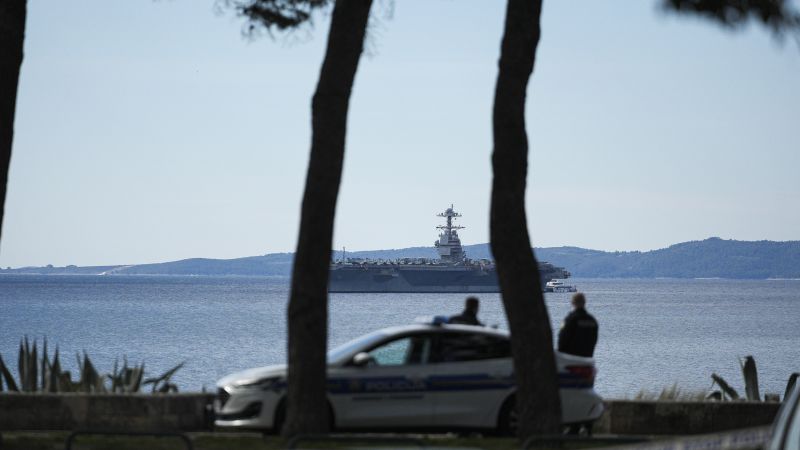
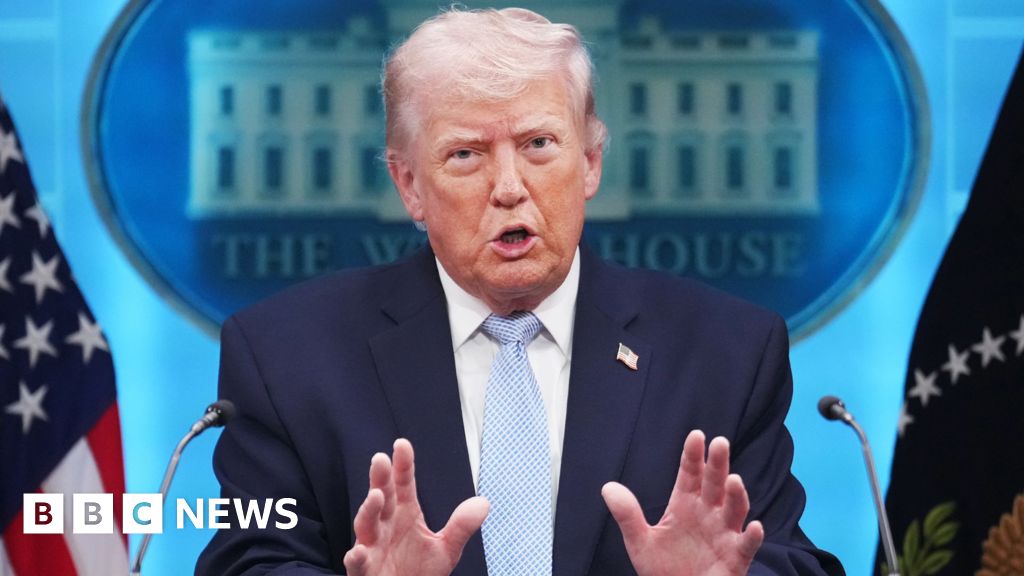
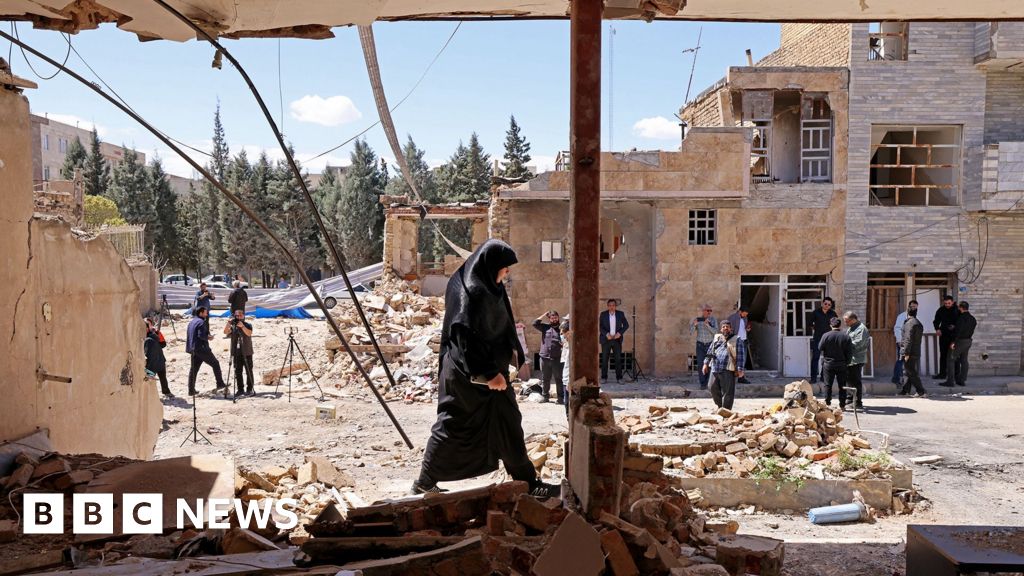
Secretary of War Pete Hegseth declared a 'decisive victory' at the Pentagon on Wednesday morning. He listed three military objectives for Operation Epic Fury: destroy Iran's ballistic missile and drone capabilities, eliminate its navy, and degrade the regime's command infrastructure. By those metrics, the campaign succeeded. The US and Israel struck over 30 sites in 39 days, killed Supreme Leader Ali Khamenei in the opening hours, and shattered Iran's conventional military capacity.
Who
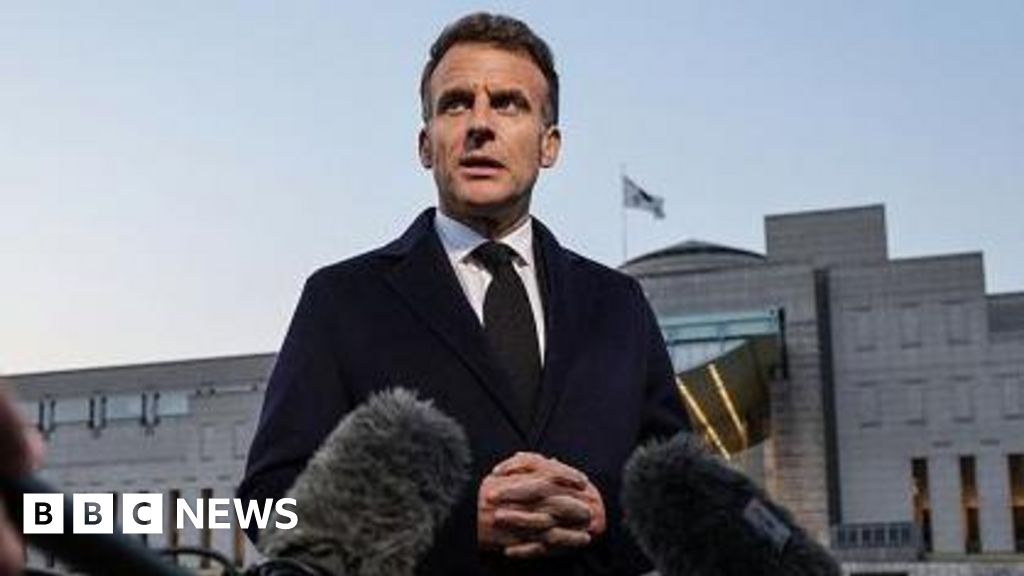
Pete Hegseth — US Secretary of War, declared 'decisive victory' and listed three military objectives achieved
The Objective That Wasn't on the List
Iran's nuclear program survived. Hegseth addressed enriched uranium directly: Iran will hand it over, or the US will 'take it out.' That language sounds decisive. It is not. Tehran's 10-point ceasefire plan demands Washington accept Iranian uranium enrichment as a sovereign right. The gap between those two positions is not a negotiating distance. It is a chasm.
At Issue
Iran demands US accept uranium enrichment as sovereign right; Hegseth says Iran hands over enriched uranium or US will 'take it out'
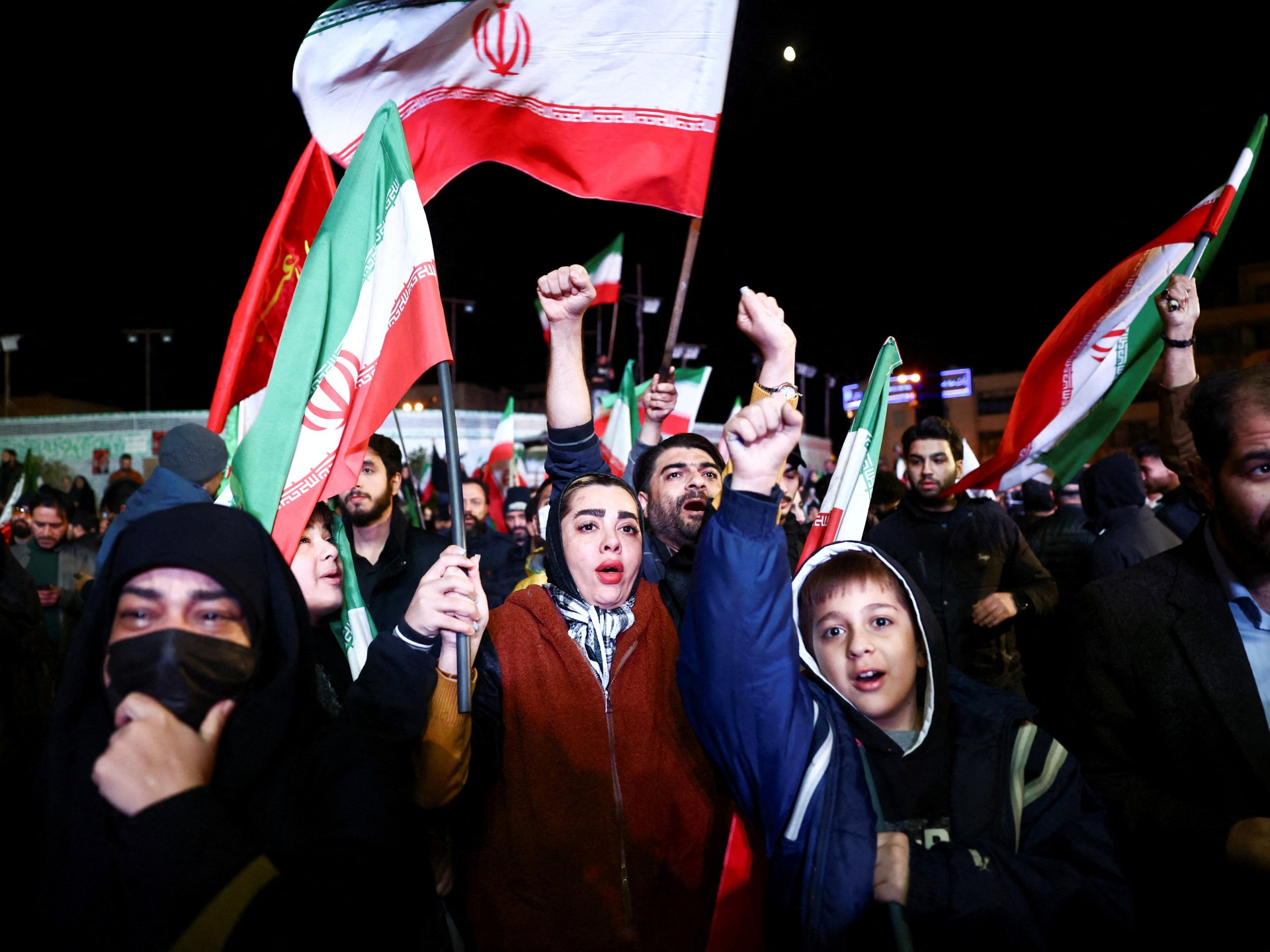
Iran's proposal reads like a victor's terms, not a defeated nation's surrender document. It demands the lifting of all primary and secondary sanctions. It demands the release of frozen Iranian assets held overseas. It demands compensation for reconstruction costs. It demands US troop withdrawal from the region. And it insists on continued Iranian control over the Strait of Hormuz.
The Strait Remains the Pressure Point
Hours after the ceasefire took effect, Iran's navy broadcast a warning to foreign vessels: seek permission from Tehran before transiting the Strait of Hormuz, or be destroyed. Two ships — one Greek-flagged, one Liberian — passed through on Wednesday, the first since the blockade began. But the Iranian military insists it will coordinate all passage. That is not an open waterway. That is a toll booth backed by missiles.
Twenty percent of the world's seaborne oil flows through that chokepoint. Iran closed it on February 28 and weaponized it for 39 days. The ceasefire agreement says Iran will reopen it. Iran says passage will be 'possible' subject to 'technical limitations.' Those two statements do not describe the same reality.
 Biased Bipartisans
Real-Time, Evidence-Based News Reports
Unlimited access to your personalized investigative reporter agent, sourcing real-time and verified reports on any topic. Your personalized news feed starts here.
Create Free AccountThe Numbers Tell the Story
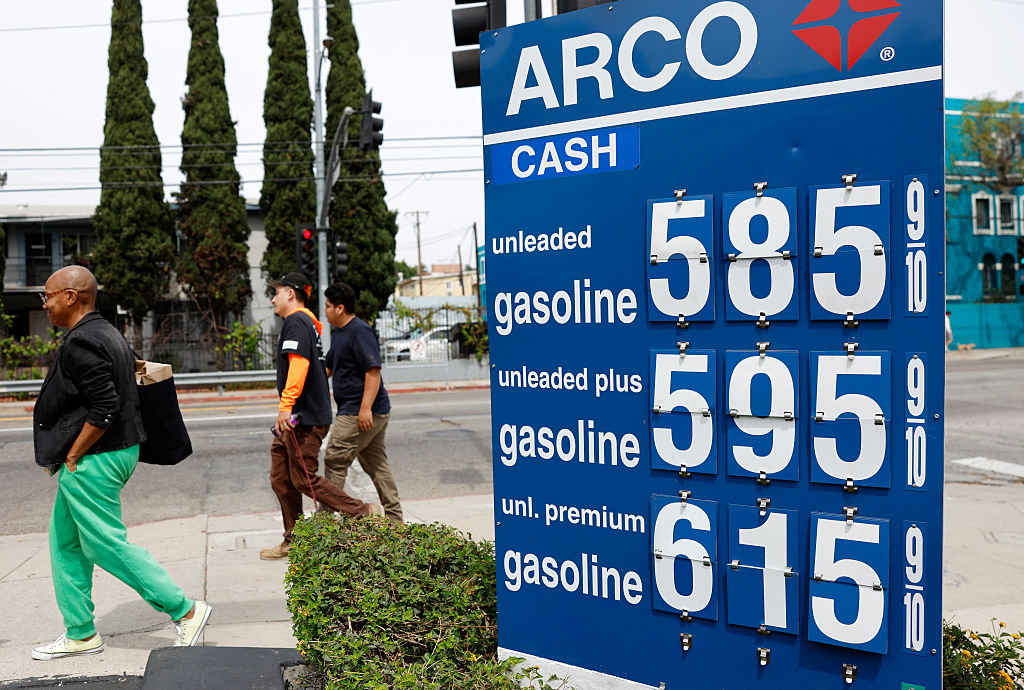
Thirteen American service members died in Operation Epic Fury. The Pentagon confirmed between 81 and 113 total US casualties. HRANA, the US-based Iranian rights group, estimates 3,400 Iranian dead, including 1,600 civilians. Oil surged past $115 per barrel during the blockade and dropped below $100 on the ceasefire announcement — still 40 percent above pre-war levels. Gas prices hit $5.87 per gallon at the pump according to GasBuddy. Diesel reached $5.62. Those prices will not return to normal in two weeks.
13 US service members killed; 81-113 total US casualties; an estimated 3,400 Iranian dead including 1,600 civilians
Verified
Pakistan's Gamble
Timeline
April 10, 2026 — Islamabad talks between US and Iranian delegations, mediated by Pakistan
Pakistani Prime Minister Shehbaz Sharif brokered the ceasefire and invited both delegations to Islamabad on Friday, April 10. The Islamabad Accord proposal — a 45-day, two-phased framework — preceded the current agreement. Pakistan positioned itself as a neutral mediator with geographic leverage: it borders Iran and hosts significant US intelligence infrastructure.
The problem is not the venue. The problem is the agenda. Washington wants Iran stripped of nuclear capability and the Strait permanently open to free navigation. Tehran wants sanctions lifted, enrichment accepted, assets returned, troops withdrawn, and reparations paid. No mediator bridges that divide. Only leverage does.
What Happens in Two Weeks
“"Fighting will ignite later this year, if not later this month." — Matt Gertken, BCA Research
Biased BipartisansThink Further on BIPI.
Where seeking the truth is a journey, not a destination.
Learn moreMatt Gertken, chief geopolitical strategist at BCA Research, offered the clearest assessment: 'Fighting will ignite later this year, if not later this month.' Trump faces midterm elections with gasoline at record levels. He will accept Iran as a temporary gatekeeper of the Strait to buy time. After November, the pressure to resolve the nuclear question permanently will return with force.
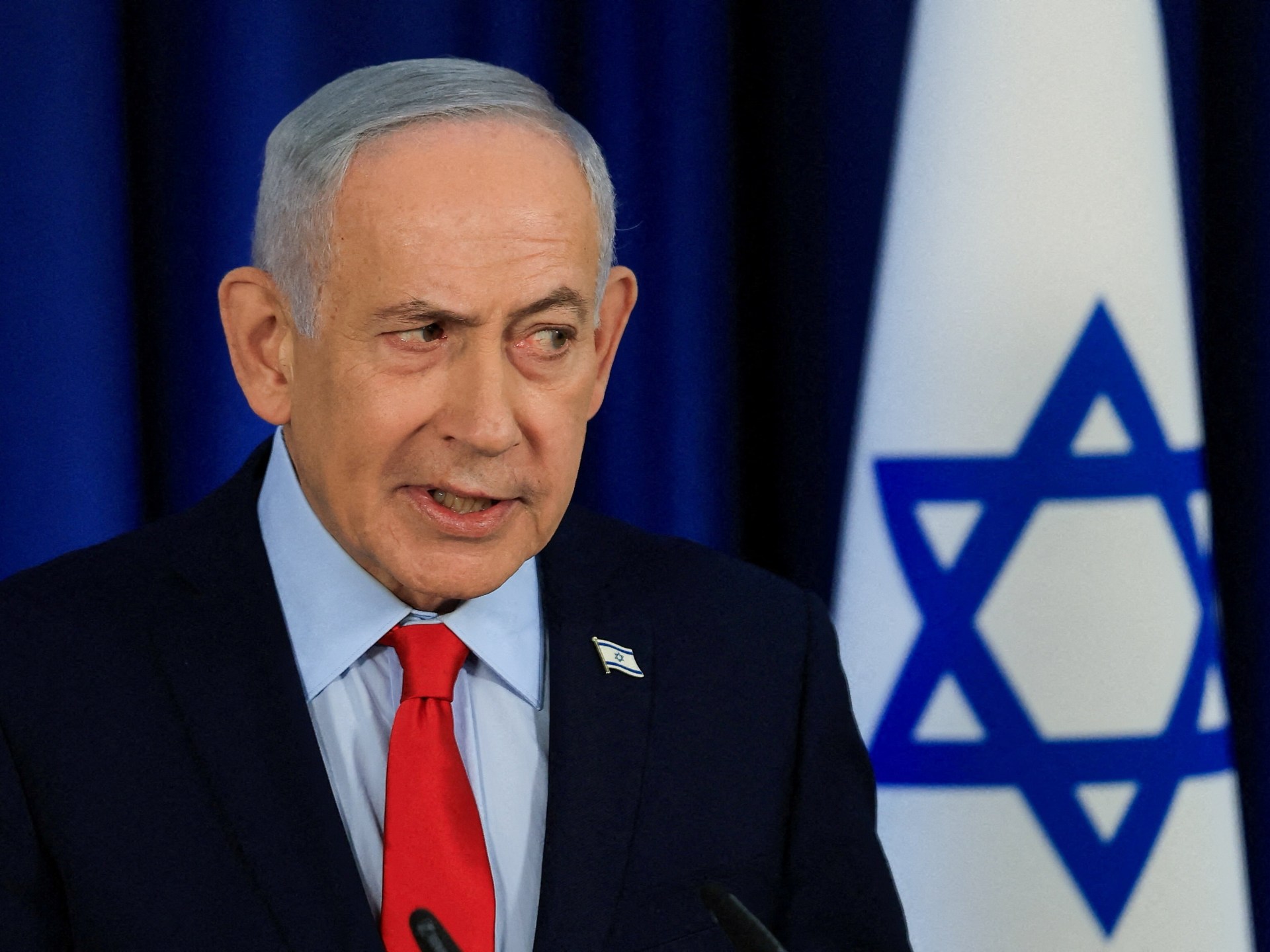
Israel backs the ceasefire but carved out Lebanon. Netanyahu agreed to pause strikes on Iran while renewing attacks on Hezbollah positions in Tyre and Nabatieh. Kuwait reported 28 Iranian drones hitting oil facilities, power stations, and desalination plants after the ceasefire took effect. Hegseth dismissed this as the normal friction of cease-fires taking hold.
Normal friction does not involve sovereign territory being struck by a signatory to the agreement. That is a violation. The question is whether anyone will call it one.
The Pattern Is Familiar
The US and Iran held two rounds of talks in the past year. Both times, military tensions escalated during negotiations. The cycle repeats because the underlying structure has not changed. Iran seeks regional hegemony and nuclear latency. The US seeks a denuclearized Iran and open sea lanes. Those objectives are mutually exclusive under any framework that leaves the current regime intact.
Hegseth said the military would be 'hanging around' in the Middle East to ensure compliance. That is not a strategy. It is a posture. Strategy requires defined end states, escalation ladders, and consequences for non-compliance. A ceasefire without those elements is a countdown to the next war.