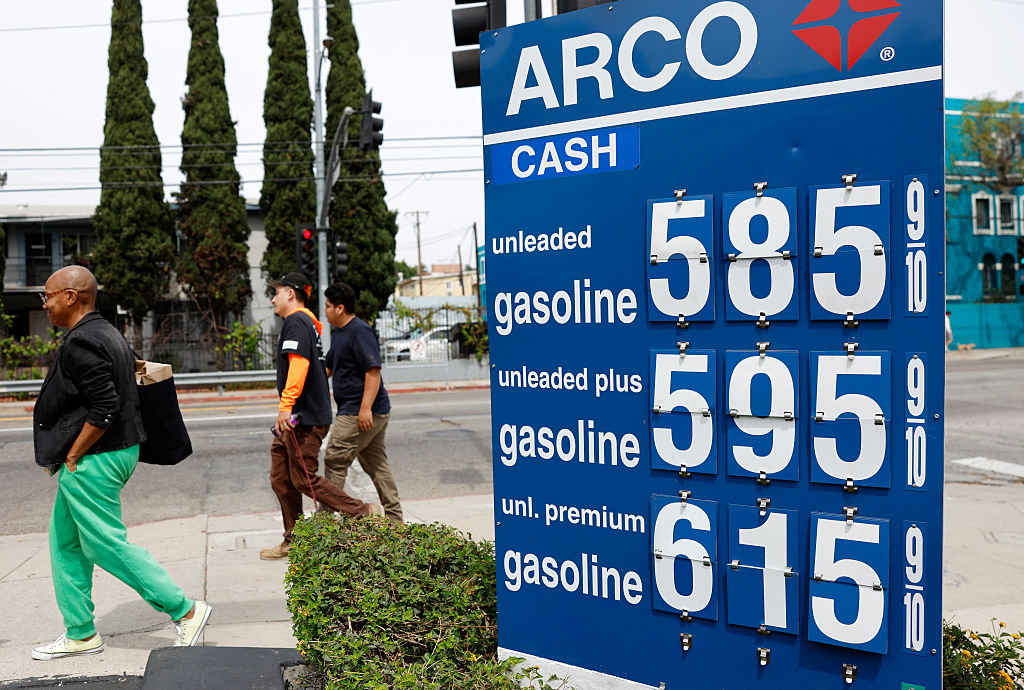

Mike Castellano runs a plumbing supply business in eastern Pennsylvania. His delivery trucks burn diesel. His suppliers' trucks burn diesel. The trucks that bring materials to his warehouse from the port burn diesel. When diesel jumped 49% to $5.62 per gallon, his cost to deliver a toilet to a job site rose by $38. He raised prices. His customers, mostly small contractors, raised their bids. Homeowners got higher quotes. Some projects got canceled.
That is how a war 7,000 miles away kills a bathroom renovation in Allentown.
The Diesel Chain
Diesel at $5.62/gallon (49% increase). Trucks move 72% of US freight by weight. Every product's cost rises.
Verified
Trucks move 72% of all freight in the United States by weight. Every truck runs on diesel. A 49% price increase does not stay in the fuel tank. It moves through every transaction that involves physical goods. Lumber yards raise prices. Concrete plants raise prices. Steel distributors raise prices. The construction industry absorbs all of these increases simultaneously.
New home construction costs up 8% in March — adds $32,000 to a $400,000 home
Verified
The National Association of Home Builders reported that new home construction costs rose 8% in March alone, driven primarily by transportation and material delivery surcharges. An 8% increase on a $400,000 home adds $32,000 to the purchase price. For a first-time buyer stretching to qualify for a mortgage, that difference eliminates the deal.
 Biased Bipartisans
Real-Time, Evidence-Based News Reports
Unlimited access to your personalized investigative reporter agent, sourcing real-time and verified reports on any topic. Your personalized news feed starts here.
Create Free AccountGroceries, Medicine, and Everything Else
The average American grocery item travels 1,500 miles from farm to store shelf. Every mile costs more now. Kroger, Walmart, and regional chains have absorbed some increases to maintain competitive pricing. Independent grocers cannot. Food banks report increased demand as families shift spending from discretionary groceries to fuel.
Amazon added delivery surcharges this week. JetBlue raised fares. FedEx and UPS implemented fuel surcharge adjustments in March. The surcharges are not temporary. Companies will maintain elevated pricing until input costs decline to pre-war levels, and even then, the adjustments tend to stick. Prices rise like rockets and fall like feathers.
Small Business Bears the Weight
SBA emergency loan applications up 22% in March; most cite fuel and transportation costs
Verified
Biased BipartisansThink Further on BIPI.
Where seeking the truth is a journey, not a destination.
Learn moreLarge corporations hedge fuel costs through futures contracts. Amazon locked in diesel prices months before the war. Small businesses buy fuel at the pump price. The plumber, the electrician, the landscaper, the local delivery service — they pay what the sign says today. Their margins were already thin. A 49% fuel increase converts thin margins to losses.
The SBA reported a 22% increase in emergency loan applications in March compared to February. Most cited fuel and transportation costs as the primary driver. These are not failing businesses. They are businesses that built their models on stable input costs and cannot absorb a sudden shock caused by a war they had no say in.
The ceasefire may bring oil below $100. It will not bring diesel back to $3.77 overnight. It will not reverse the surcharges already embedded in supply contracts. It will not return the jobs lost or the projects canceled. The war lasted 39 days. The invoices will arrive for months.