Oil dropped below $100 a barrel on Tuesday. Wall Street popped champagne. Cable news called it a 'relief rally.' Here is what relief looks like at a gas station in Ohio: $5.47 a gallon for regular unleaded, posted this morning, unchanged from Monday.
Gas prices do not follow oil prices down the way they follow them up. You have watched this happen your entire adult life. When crude spikes, the pump price adjusts within days. When crude falls, the pump price takes three to four weeks to catch up. Economists call this 'rockets and feathers.' Regular people call it getting ripped off.
The national average for regular gasoline climbed from $3.40 to $5.20 per gallon during the five-week Iran conflict. California exceeded $6.00.
Verified
During the five weeks of the Iran conflict, the national average for regular gasoline climbed from $3.40 to $5.20. In California, drivers paid over $6.00. In rural areas without public transit alternatives, families spent hundreds of extra dollars per month on fuel alone. That money is gone. The ceasefire does not refund it.
Gas prices follow crude oil down more slowly than up. Economists call the asymmetry 'rockets and feathers.' Pump prices lag crude drops by 3-4 weeks.
Verified
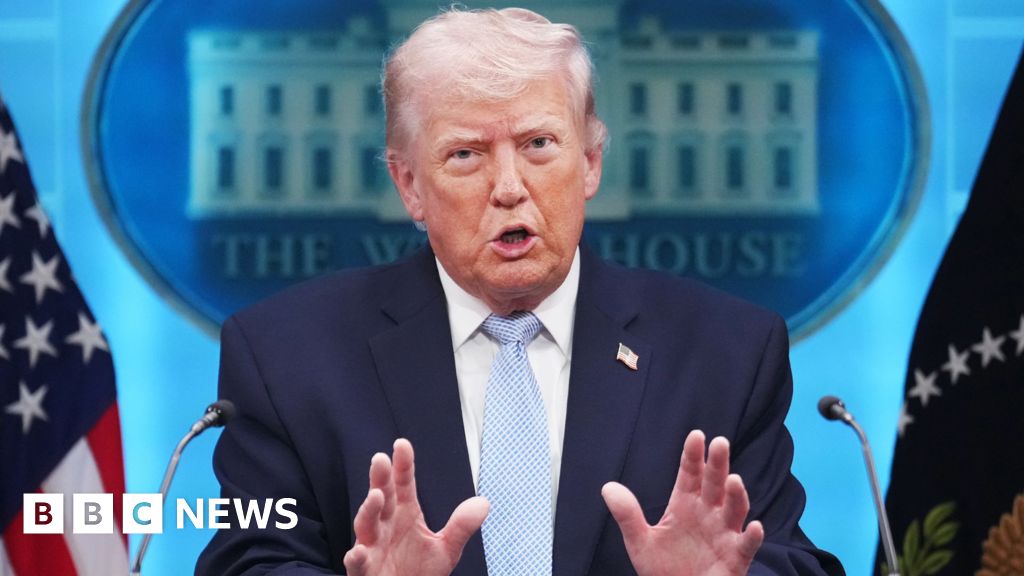
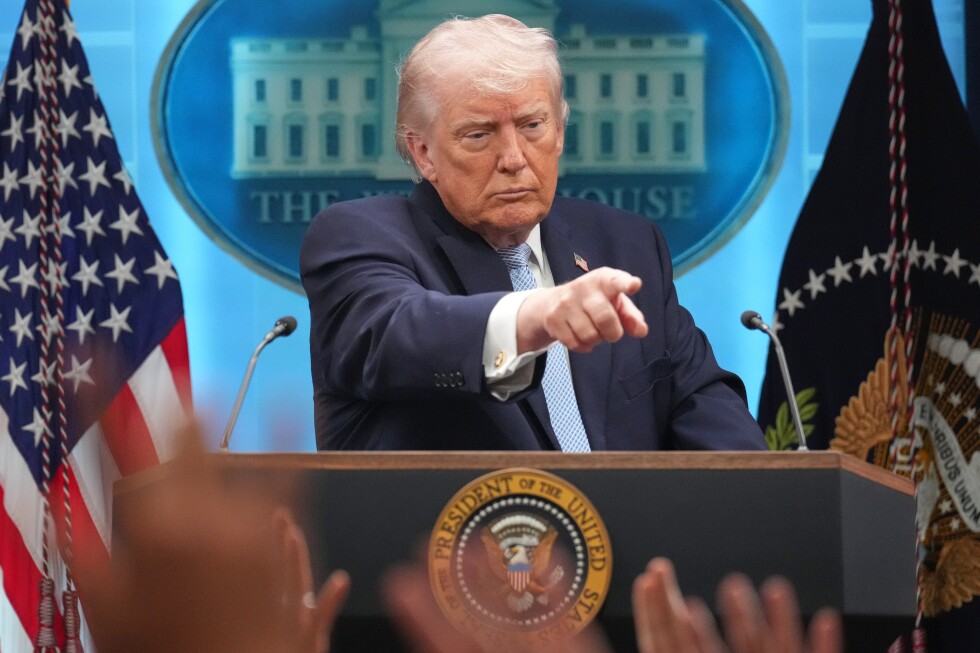
Ask yourself a question the financial press will not ask: who decided to start a war that doubled gas prices? President Trump launched military strikes against Iran on February 28 without congressional authorization. No vote. No debate. No public accounting of what it would cost American families. Senator Lindsey Graham, one of the loudest voices for the war, said on March 9 that the US would 'make a tonne of money' from the conflict. He meant defense contracts and oil leverage. He did not mean the family in Akron that skipped a medical appointment because they could not afford the drive.
The American Trucking Associations estimated approximately $400 million in extra freight costs absorbed by the industry during the Hormuz closure.
Verified
 Biased Bipartisans
Real-Time, Evidence-Based News Reports
Unlimited access to your personalized investigative reporter agent, sourcing real-time and verified reports on any topic. Your personalized news feed starts here.
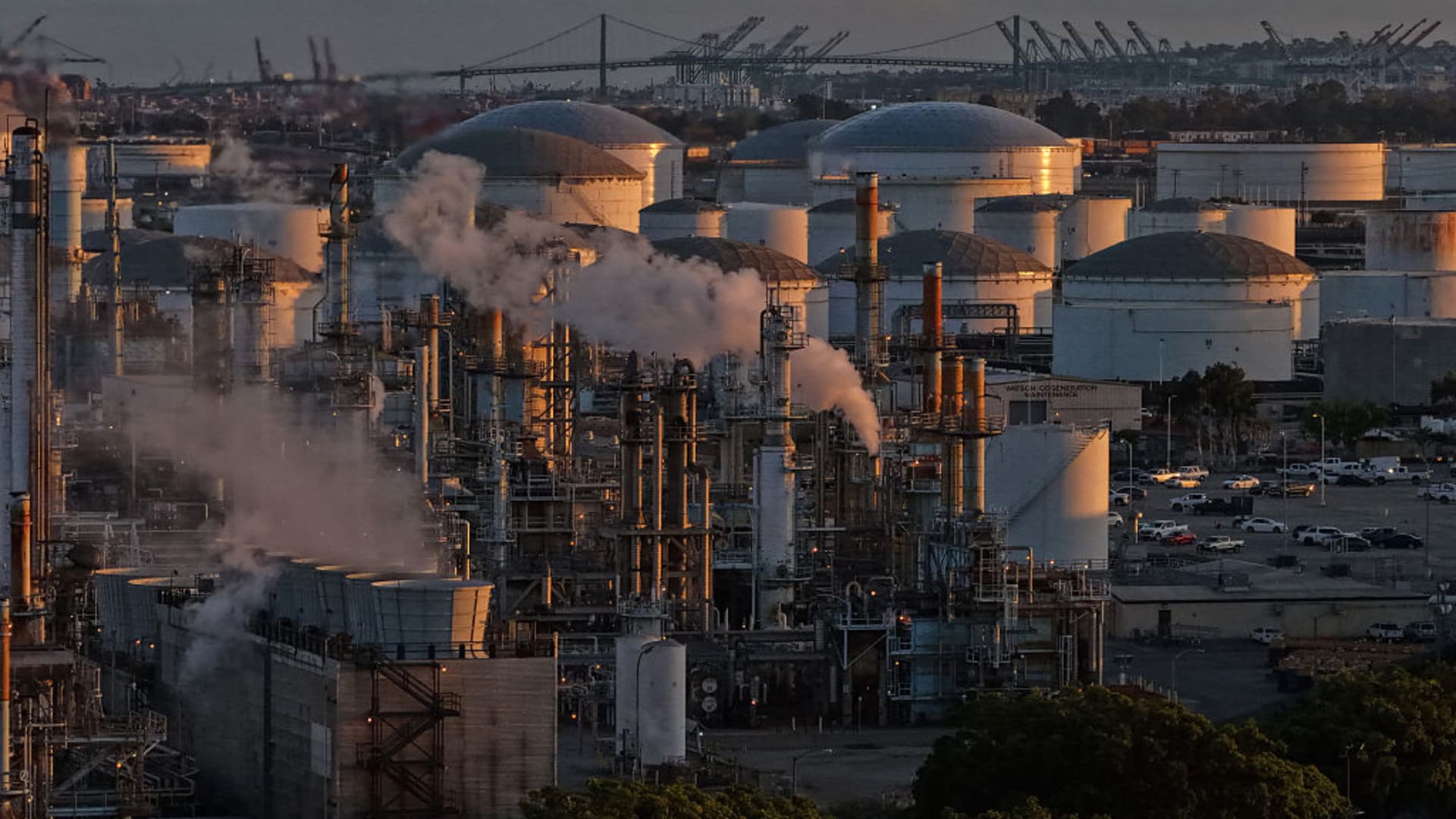
Create Free AccountThe oil companies reported record margins during the crisis. They always do. ExxonMobil, Chevron, and the majors hedge their positions months in advance. When prices spike, their locked-in costs stay low and their revenue climbs. They are insulated from the volatility they profit from. The independent gas station owner, who buys from a distributor at yesterday's inflated price, cannot drop the pump price until the next delivery cycle catches up. So the consumer keeps paying war prices during peacetime.
Diesel tells an uglier story. Trucking companies that deliver food, medicine, and consumer goods to every town in America paid war-premium diesel for five weeks. Those costs landed in the price of groceries, shipped goods, and online orders. A ceasefire does not reverse the $400 million in extra freight costs that the American Trucking Associations estimated the industry absorbed during the conflict. Those costs passed through to the price of bread, eggs, and diapers.
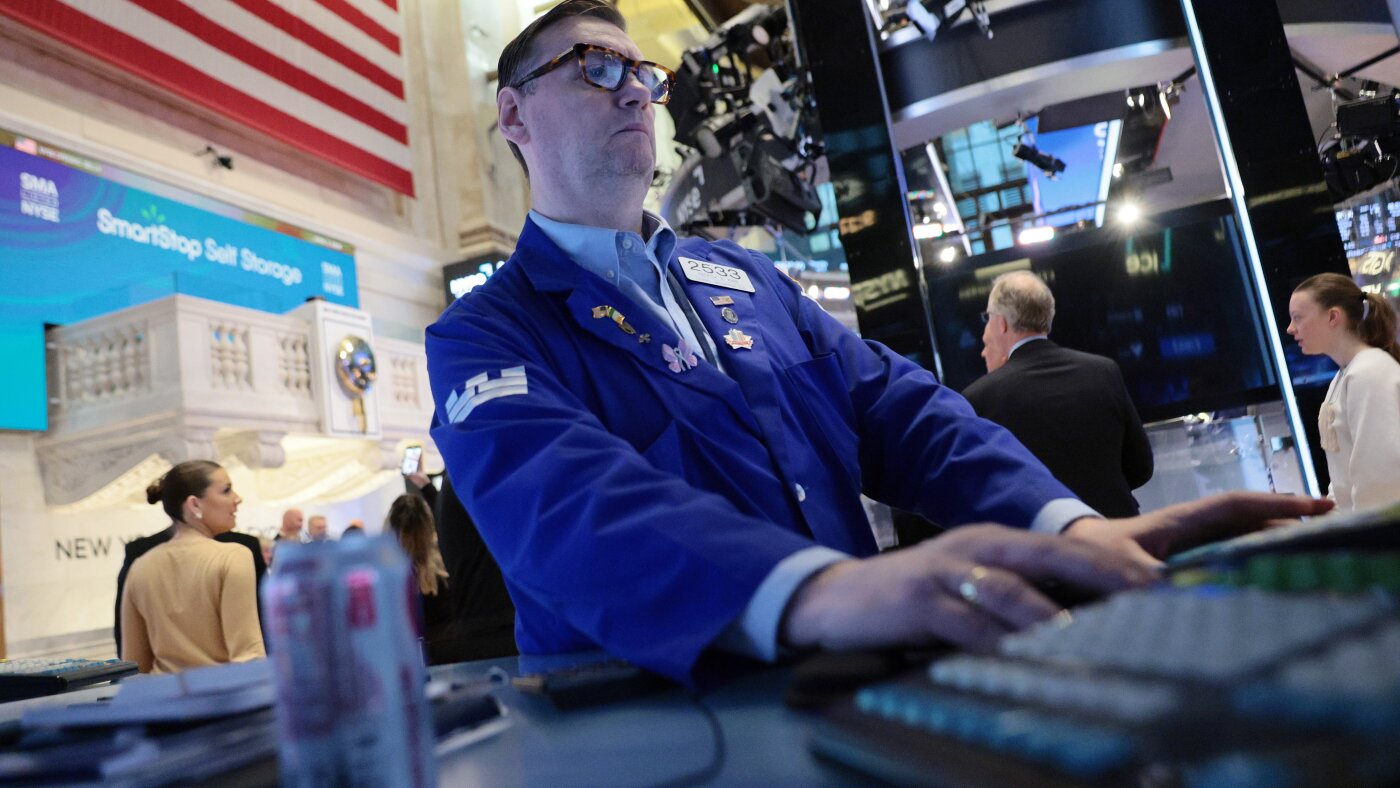
The administration will point to the stock market rally as proof the ceasefire worked. The Dow jumped. The S&P climbed. Great news if you own stocks. Roughly half of American households have zero stock market exposure. For them, the rally is a number on television. The gas price is the number that matters, and it has not moved.
Biased BipartisansThink Further on BIPI.
Where seeking the truth is a journey, not a destination.
Learn moreHere is what the next two weeks look like for a working family. Gas prices will slowly decline, reaching pre-war levels sometime in mid-to-late May if the ceasefire holds. Grocery prices will take longer because the supply chain markup is sticky. Heating oil customers in the Northeast who filled their tanks at crisis prices are locked into those costs until next season. The two-week ceasefire window does not provide enough certainty for any of these prices to normalize.
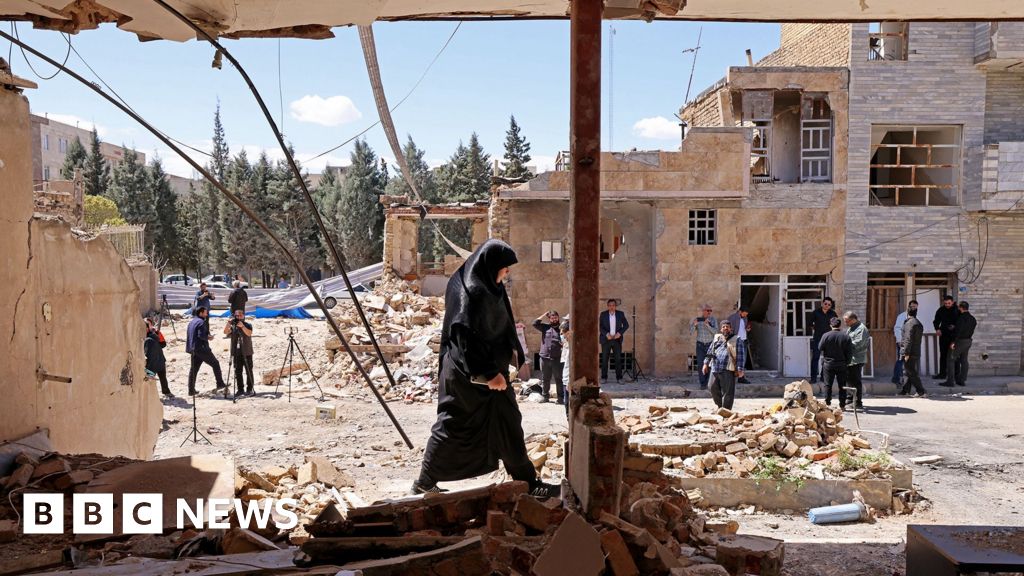
Iran charged the world a toll for using a waterway it closed by military force. The funds go to 'reconstruction.' The US spent billions on strikes that killed over 1,900 people. The stock market recovered in a single trading session. The budget for a working family in Michigan has not recovered and will not for months.
Follow the money. Oil companies made record margins. Defense contractors booked new orders. Institutional traders made billions on the volatility. The American consumer footed the bill, as usual. Nobody in Washington has proposed a single measure to return the war premium to the people who paid it. Nobody will. The system works as designed. It was not designed for you.