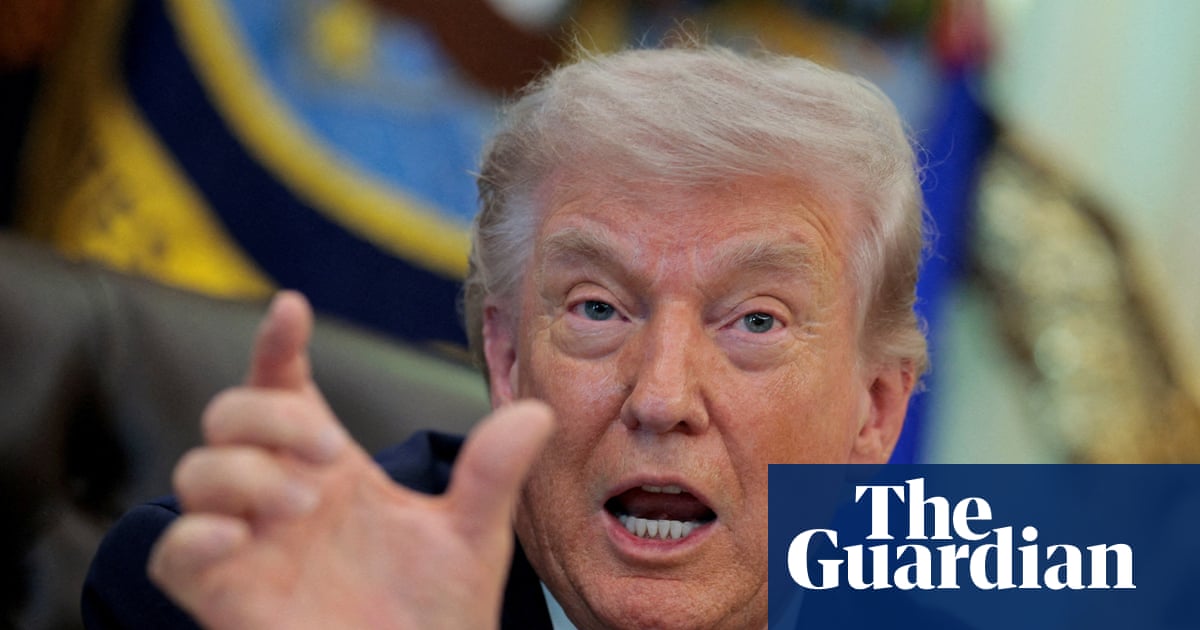
Brent crude dropped below $100 per barrel on Tuesday for the first time since Iran closed the Strait of Hormuz in early March 2026. The contract settled near $96, down roughly 12% from Monday's close, after President Trump announced a two-week ceasefire and Iran committed to reopening conditional passage through the waterway.
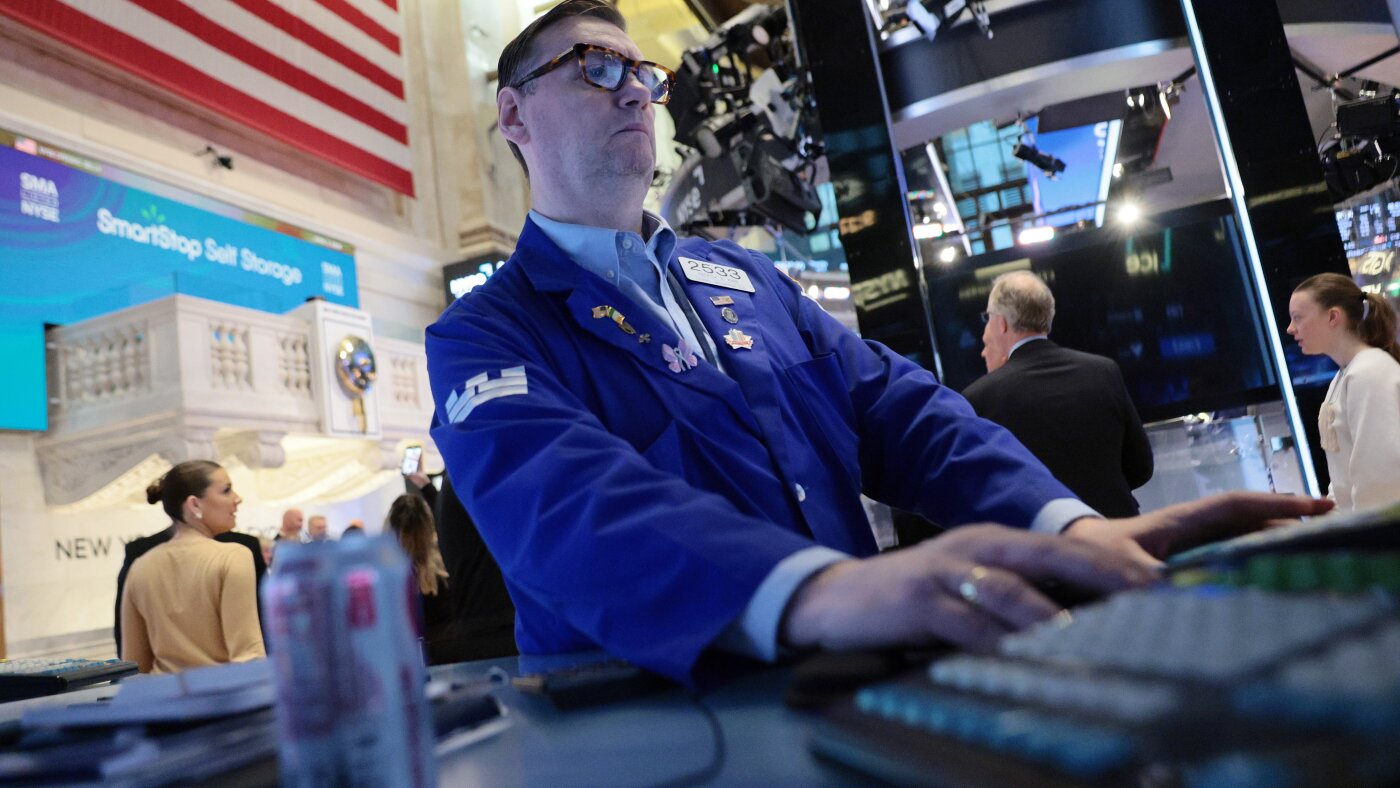
Markets moved fast. Traders repriced the war premium that had pushed Brent above $130 at its peak in mid-March, when tanker traffic through Hormuz had dropped 95%. The speed of the selloff tells you something about how much of the recent price was geopolitical fear rather than physical shortage. Oil was trading around $93-96 during the weeks of active conflict before the spike, and the snap back toward that range suggests the market views the ceasefire as credible, at least for now.
Brent crude settled near $96/barrel, down roughly 12% from Monday's close, on the ceasefire announcement.
Verified
The mechanism is straightforward. Roughly 20% of global oil supply transits the Strait of Hormuz on a normal day. When Iran's Revolutionary Guard closed the strait and began turning back vessels, the immediate effect was a supply shock comparable in scale to the 1973 embargo, though concentrated in a narrower geographic chokepoint. Insurance rates for tankers in the Persian Gulf climbed to levels that made shipments economically unviable. Refiners in Asia, who depend on Gulf crude, scrambled for alternatives from West Africa and the Americas, bidding up prices on those grades too.
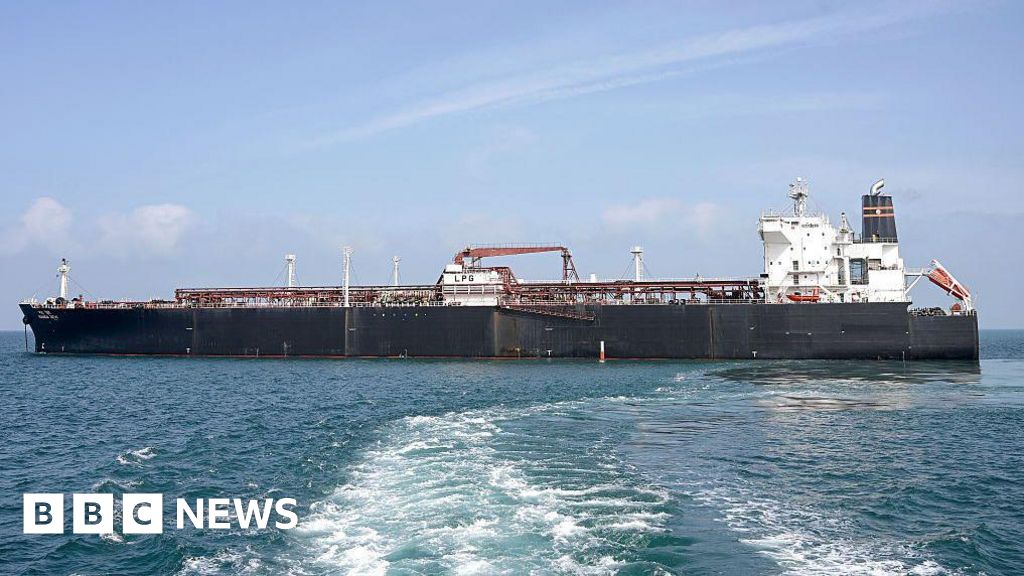
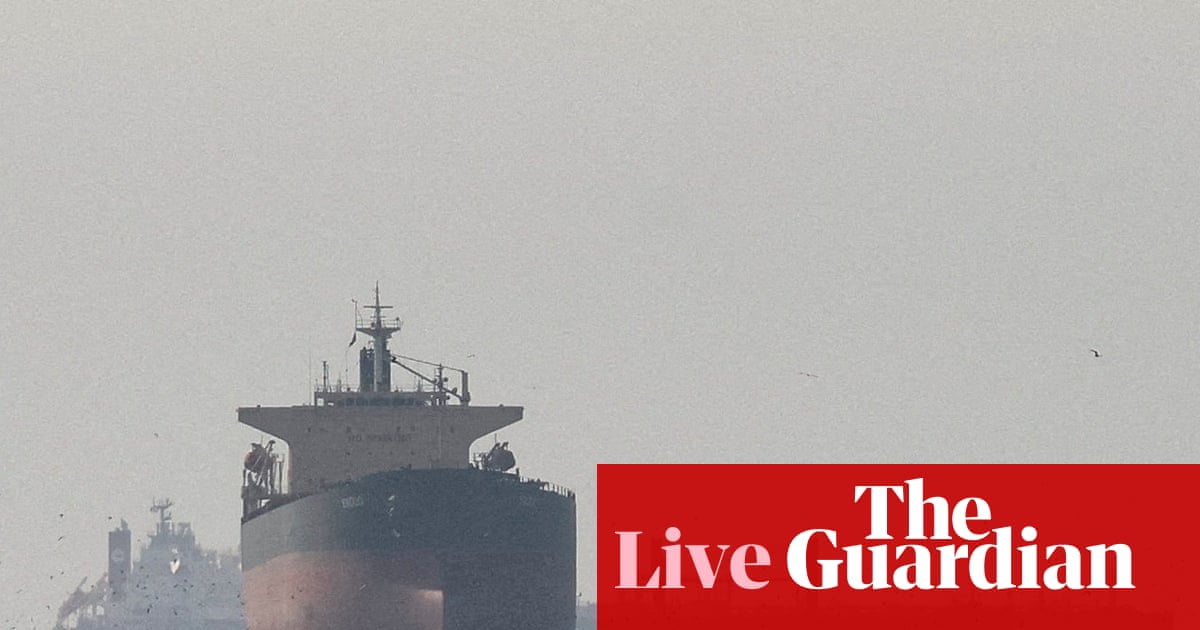
Tanker traffic through the Strait of Hormuz had dropped 95% during the conflict before Iran agreed to conditional reopening.
Verified
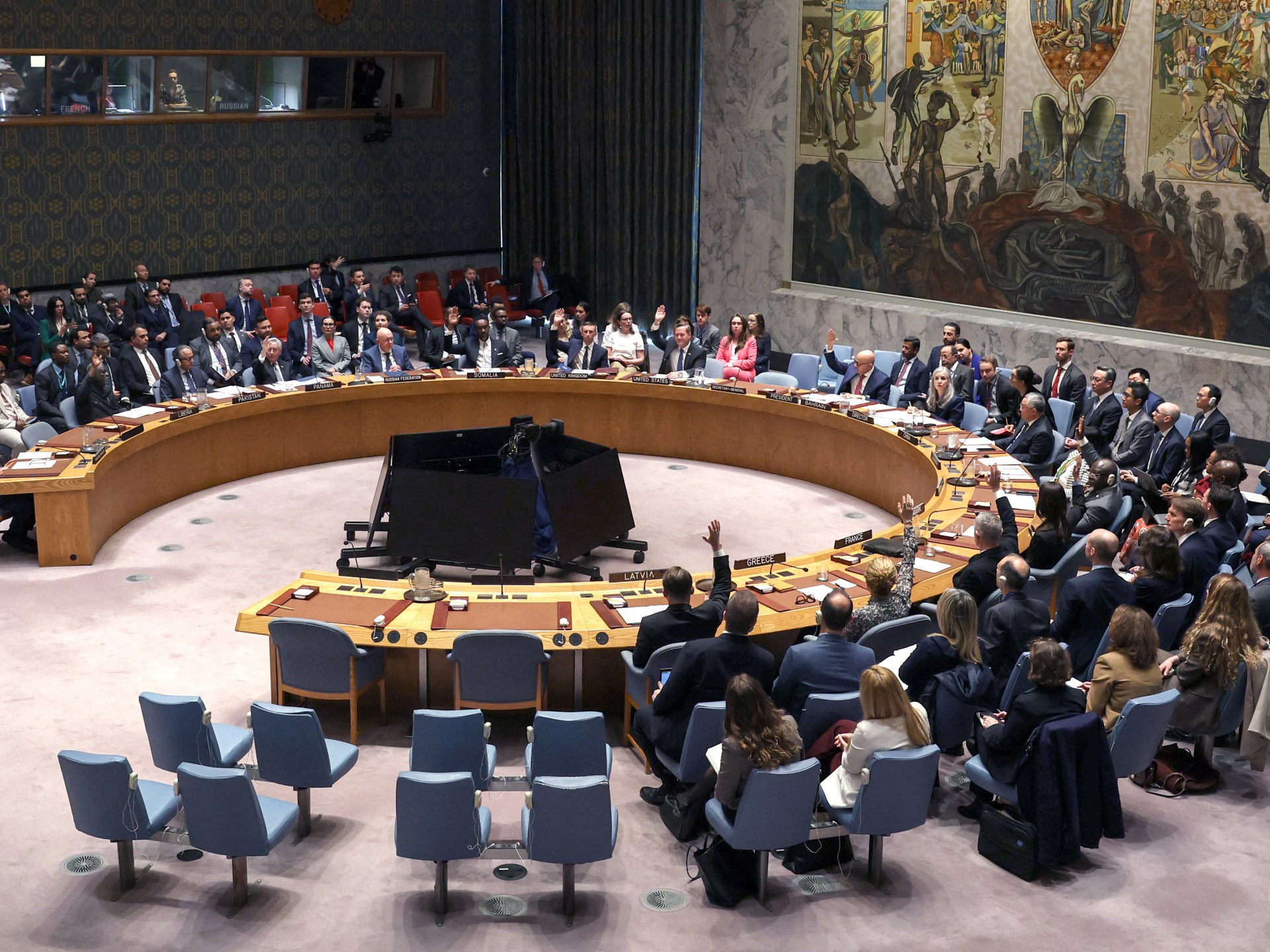
Tuesday's price action reverses that cascade. Iran's Foreign Minister Abbas Araghchi confirmed that the military would coordinate safe passage through Hormuz during the ceasefire. Iran and Oman plan to charge transit fees on vessels passing through, with the funds earmarked for reconstruction. The transit-fee structure is a new wrinkle that markets have not fully priced. If fees are set at commercially reasonable levels, shippers will absorb them. If Tehran uses the mechanism as a de facto toll on global energy, the relief rally has an expiration date.
Roughly 17 million barrels per day of crude and condensate normally transit Hormuz, per the EIA.
Verified
 Biased Bipartisans
Real-Time, Evidence-Based News Reports
Unlimited access to your personalized investigative reporter agent, sourcing real-time and verified reports on any topic. Your personalized news feed starts here.
Create Free AccountPhysical flows will take time to normalize. Tankers rerouted around the Cape of Good Hope during the closure are still in transit. Port congestion at alternative loading terminals in Fujairah and Jebel Ali built up over weeks and will not clear overnight. Floating storage accumulated as cargoes waited for safe passage. The EIA estimates that roughly 17 million barrels per day of crude and condensate normally move through Hormuz. Restoring that volume, even partially, requires coordination between naval escorts, port authorities, and dozens of shipping companies whose insurance policies need updating.
The futures curve reflects this reality. Front-month contracts fell hard, but the six-month forward structure remains in steep backwardation, with prices for near-term delivery still commanding a premium over later months. That shape tells you the market expects tight supply conditions to persist even as the political situation stabilizes. Refiners are not yet confident they can source Gulf crude on normal terms.
OPEC+ has not announced any production adjustments in response to the ceasefire. Saudi Arabia, which maintained output during the conflict, could increase supply to capture market share while prices remain elevated. But Riyadh has its own calculations about the optimal price band, and flooding the market now would undercut the revenue windfall that high prices delivered over the past five weeks.
Biased BipartisansThink Further on BIPI.
Where seeking the truth is a journey, not a destination.
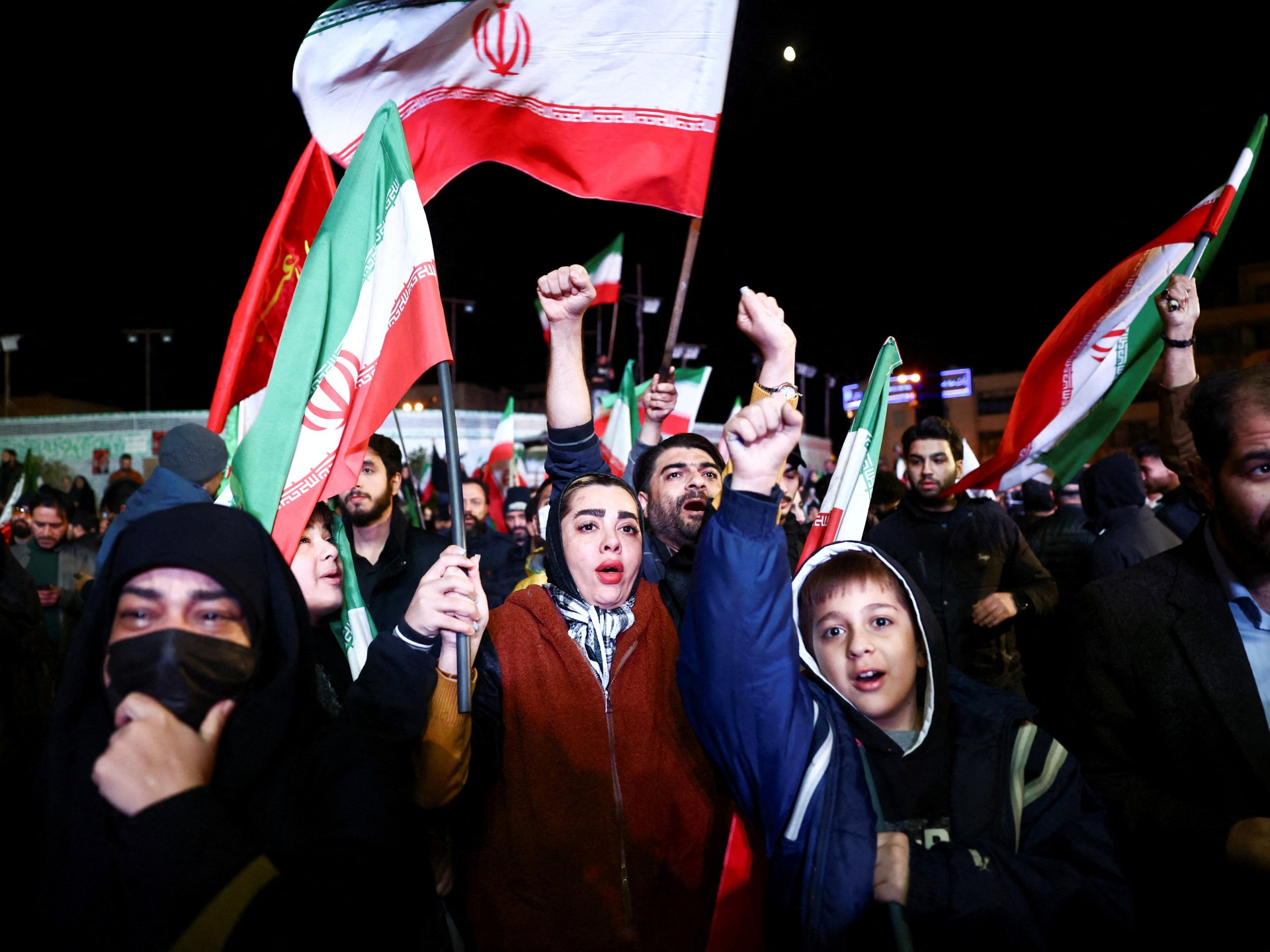
Learn moreThe incentive structure for Iran is worth examining. Tehran agreed to conditional passage, not unconditional. The ceasefire lasts two weeks. Iran's Supreme National Security Council described the truce as an 'enduring defeat' for Washington and said any error by 'the enemy' would be met with 'full force.' That language does not suggest a regime preparing for permanent de-escalation. It suggests a regime that found leverage in controlling Hormuz and intends to retain it.
For consumers and businesses, the price signal from Tuesday is welcome but premature to celebrate. Gasoline prices at the pump lag crude by two to four weeks. Diesel and jet fuel, which spiked during the crisis, will take longer to normalize because refinery margins expanded during the supply disruption and refiners have no incentive to compress them quickly.
The tradeoff the market now faces: a ceasefire that holds for two weeks is enough to unwind the panic premium, but not enough to rebuild the inventories that were drawn down during the crisis. If talks in Islamabad fail and hostilities resume, the next price spike will start from a lower inventory base, which means it will be sharper. Prices encode information. The information today says the immediate risk has receded. The information six months forward says the structural risk has not.