Brent crude dropped 14.4% to $93.48 per barrel on Tuesday evening after Trump announced a two-week suspension of attacks on Iran. US crude fell 14.7% to $96.27. Asian markets surged overnight: Japan's Nikkei rose 4%, South Korea's Kospi gained 6%, and Australia's S&P/ASX 200 climbed 3%. The 10-year Treasury yield eased from 4.30% to 4.24%.
Those numbers tell you two things. First, markets had priced in catastrophic escalation. A 15% single-session drop in crude means traders expected the worst-case scenario before the ceasefire announcement. Second, oil still sits well above pre-war levels. The price signal is clear: this crisis is not over.
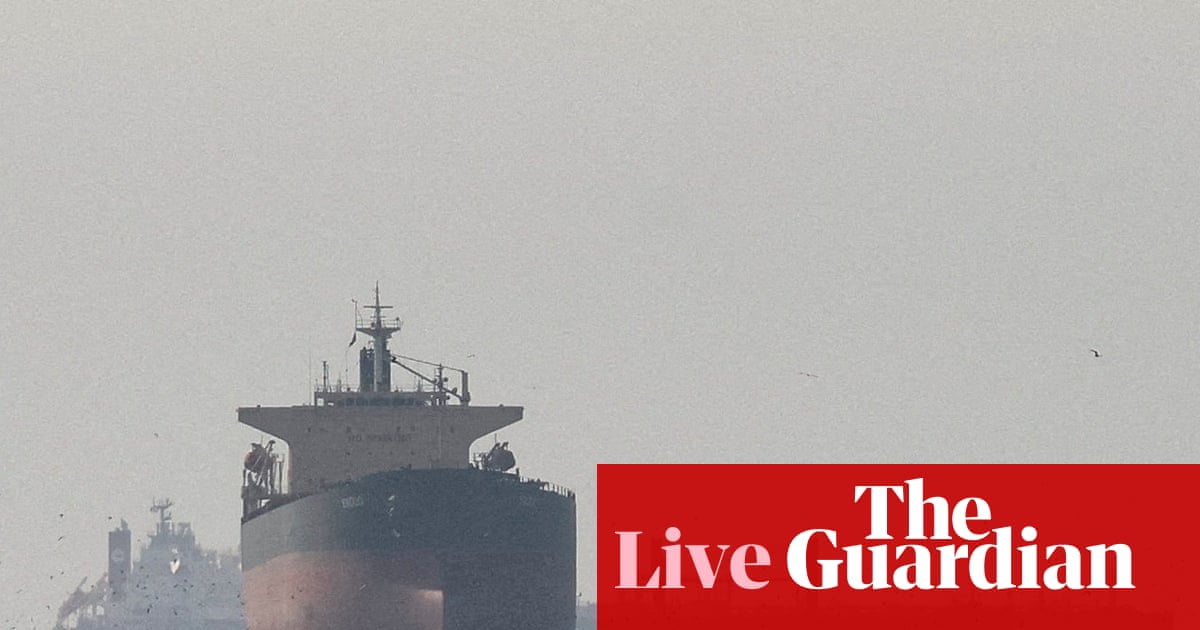
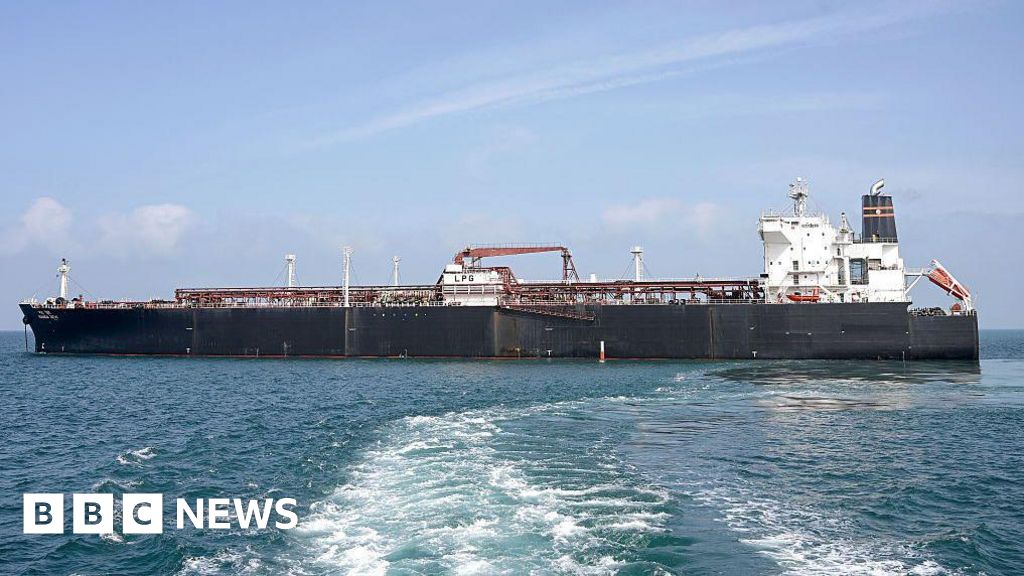
Tanker traffic through the Strait of Hormuz dropped from 100+ ships daily to 21 total transits over the entire five-week conflict, a 95% reduction. Source: S&P Global Market Intelligence.
Verified
The mechanism is straightforward. The Strait of Hormuz handles roughly 20% of global daily oil supply and a significant share of liquefied natural gas. Before the war began on February 28th, more than 100 ships transited the route daily. Five weeks later, S&P Global Market Intelligence counts 21 total tanker transits for the entire conflict period. That is a 95% reduction in throughput.
Brent crude dropped 14.4% to $93.48 after the ceasefire announcement but remains far above pre-war levels near $75.
Verified
Iran's Revolutionary Guard Corps turned back three vessels attempting to transit the strait in a single day last week. Iranian state media reported parliament is drafting legislation to formalize toll collection on ships passing through. The proposed fee of roughly $2 million per vessel, shared with Oman, would fund reconstruction. Whether or not this legislation passes, the signaling matters: Iran is treating the strait as a revenue asset, not just a military chokepoint.
The IEA called the oil and gas crisis from the Iran war worse than the 1973, 1979, and 2022 disruptions combined.
Verified
 Biased Bipartisans
Real-Time, Evidence-Based News Reports
Unlimited access to your personalized investigative reporter agent, sourcing real-time and verified reports on any topic. Your personalized news feed starts here.
Create Free AccountThe International Energy Agency called the resulting oil and gas crisis worse than 1973, 1979, and 2022 combined. That comparison deserves scrutiny. The 1973 Arab oil embargo cut roughly 5 million barrels per day from global supply. The 1979 Iranian Revolution removed about 3.5 million. The Hormuz closure has disrupted transit capacity for approximately 17 million barrels daily. The scale difference is not marginal. It is structural.
At Issue
Iran's 10-point ceasefire plan demands permanent Iranian control of the Strait of Hormuz, which would create a unilateral toll regime over 20% of global oil transit.
Follow the incentive chain. Insurance premiums for vessels transiting the Persian Gulf skyrocketed within the first week. Shipping companies rerouted around the Cape of Good Hope, adding 10 to 14 days to delivery schedules. Those transit costs feed into refining margins, which feed into gasoline and diesel prices, which feed into transportation costs for every good that moves by truck, rail, or ship. The inflationary pressure is not concentrated in energy. It propagates across every supply chain.
The US-flagged Stena Imperative was struck twice at the port of Bahrain, causing a fire and killing a port worker. Two oil tankers were hit by an Iranian drone boat off Basra, Iraq. The Saudi Arabia-Bahrain King Fahd Causeway closed after Iran threatened eight major bridges in the region. Each incident compounds the risk premium that shipping companies, insurers, and commodity traders build into their pricing models.
Biased BipartisansThink Further on BIPI.
Where seeking the truth is a journey, not a destination.
Learn moreThe ceasefire offers a two-week window. Iran's foreign minister said passage through the strait would be allowed under Iranian military management during this period. Trump called the arrangement a total and complete victory. The market correction suggests traders see it as a temporary reprieve, not a resolution. Brent remains above $93, far from the $75 range where it traded before the conflict.
Iran's 10-point plan demands continued control of the Strait of Hormuz. Senator Chris Murphy called this cataclysmic for the world. From a market perspective, he is correct. Any arrangement that gives Iran permanent toll authority over 20% of global oil transit would restructure the energy pricing regime worldwide. It would function as a tax on every barrel that passes through, with the rate set by a single state actor operating outside OPEC coordination.
The tradeoff calculation that should have preceded this war is now visible in the data. Military objectives, including regime change, nuclear dismantlement, and Hormuz security, remain unachieved according to the Atlantic Council's analysis. The economic cost is measured in trillions: elevated energy prices, disrupted supply chains, insurance market repricing, and a global growth shock that Rabobank and TRT World estimate could persist for months even after the strait reopens.
Analysts at Rabobank noted that as long as the strait remains contested, Tehran retains significant negotiating leverage. This is the economic reality that military planners either failed to model or chose to ignore. You cannot bomb your way to cheaper oil. The price mechanism does not care about military objectives. It responds to supply, demand, and risk. All three moved against the coalition the moment this war began.