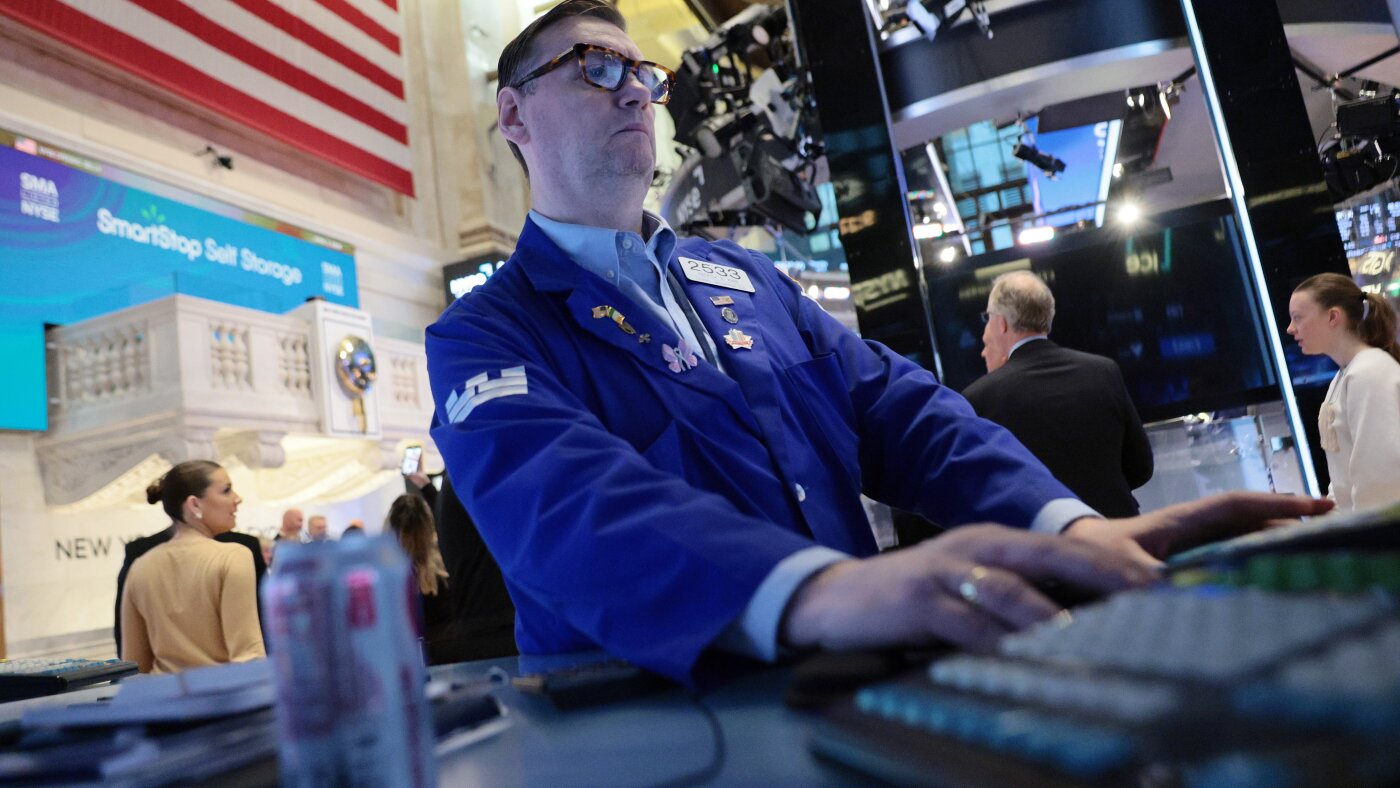
India's Nifty50 opened above 23,800 on Tuesday, up more than 2,600 points from its prior close. European indices climbed 3-4%. US futures signaled a strong open. The word every cable news anchor used was 'relief.' The word they should have used was 'repositioning.'
Someone made an extraordinary amount of money on Tuesday. Probably several someones. When Brent crude dropped 12% in a single session and equity markets added trillions in market capitalization, the profits did not distribute evenly across the global population. They concentrated in the accounts of traders, funds, and institutions that were positioned for exactly this outcome.
India's Nifty50 surged over 2,600 points, opening above 23,800, one of the largest single-day gains in the index's history.
Verified
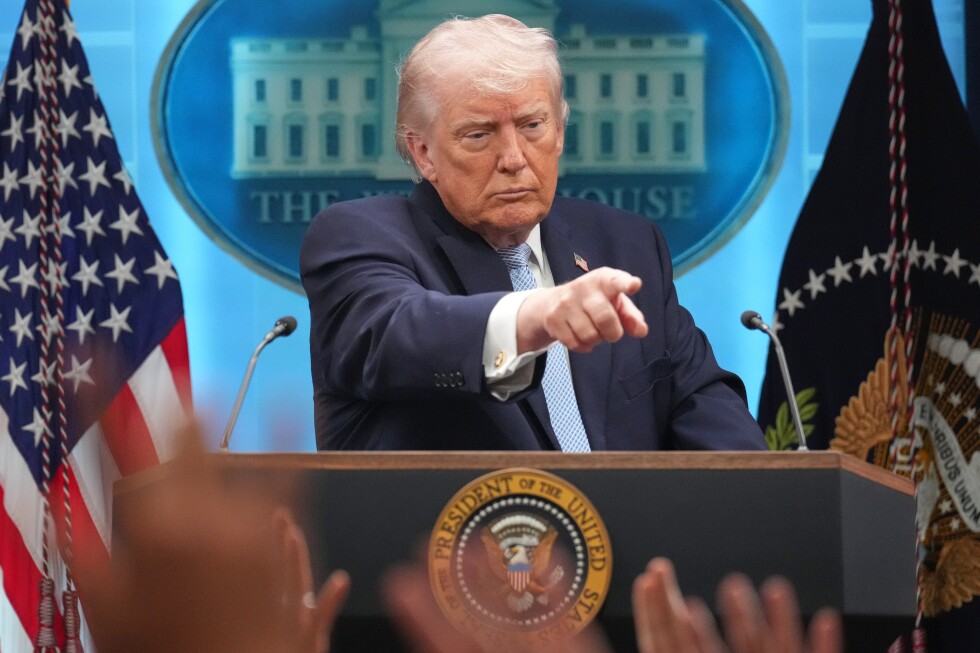
Start with the timeline. Trump announced the ceasefire on Truth Social. Before that announcement, he had spent the previous 12 hours threatening to destroy 'a whole civilization.' The swing from existential threat to ceasefire took less than a day. Anyone with advance knowledge of the ceasefire terms, or even advance knowledge that a deal was close, could have placed trades worth billions. Polymarket, the prediction market, saw large bets placed on a ceasefire outcome in the hours before the announcement, a pattern that drew scrutiny from financial regulators during earlier phases of the conflict.
Defense stocks including Lockheed Martin and RTX Corporation closed higher despite the ceasefire, reflecting sustained military spending expectations.
Verified
Now consider who benefits from the equity surge. Defense stocks, which rallied during the war, did not crash on the ceasefire. Lockheed Martin and Raytheon (now RTX Corporation) closed higher. The logic: a ceasefire does not end the defense spending cycle. Governments that watched Iran close the world's most important oil chokepoint will increase military budgets. The war created demand for missile defense systems, naval assets, and surveillance technology. Peace does not cancel those purchase orders. It accelerates them.
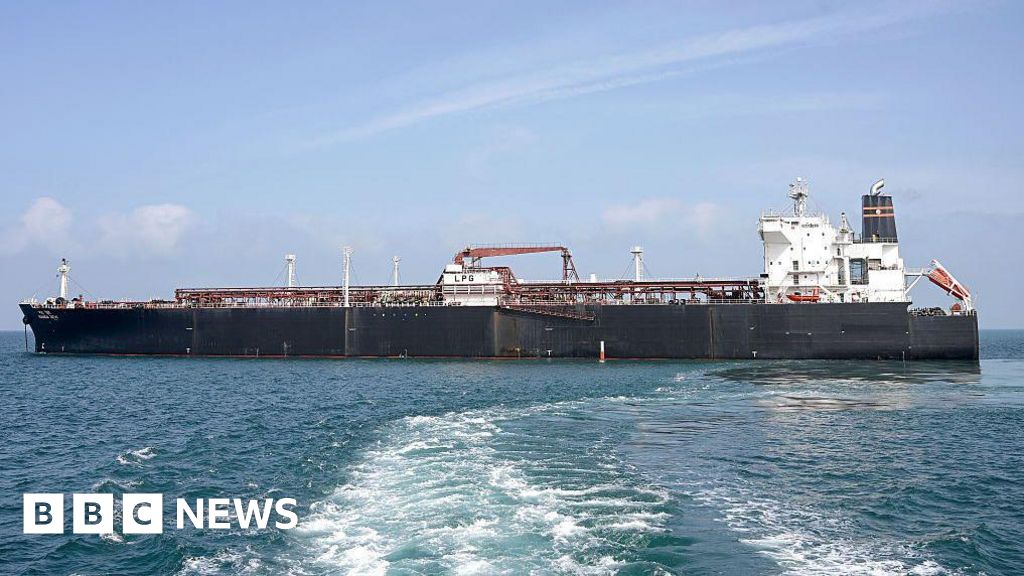
Iran and Oman plan to charge transit fees on vessels passing through the Strait of Hormuz during the ceasefire, per Iran's semi-official Tasnim News Agency.
Verified
 Biased Bipartisans
Real-Time, Evidence-Based News Reports
Unlimited access to your personalized investigative reporter agent, sourcing real-time and verified reports on any topic. Your personalized news feed starts here.
Create Free AccountOil majors took a hit in pre-market trading but recovered by midday. BP, Shell, and ExxonMobil all finished within 2% of their prior close. Their revenue during the crisis came from elevated prices on existing production. They hedged their positions. They will be fine. The companies that suffer are the smaller producers who levered up to expand output during the price spike and now face a reversion.
The Indian market reaction deserves particular scrutiny. A 2,600-point move on the Nifty50 represents one of the largest single-day gains in the index's history. India imports roughly 85% of its crude oil. The war premium on Brent had been devastating for India's current account deficit, inflation forecasts, and the rupee. The ceasefire removed that pressure in a single trading session. Foreign institutional investors who had pulled capital from Indian markets during the conflict reversed course. The inflows were coordinated and fast, suggesting pre-positioned strategies rather than reactive buying.
Pakistan's prime minister brokered the ceasefire. Pakistan also sits on the western edge of the conflict zone and has been positioning itself as an indispensable mediator. Follow the geopolitical incentive: Pakistan gains diplomatic capital, potential economic concessions, and leverage with both Washington and Tehran. The brokerage role is not charity. Countries do not volunteer for thankless mediation. They do it because the payoff structure is favorable.
Biased BipartisansThink Further on BIPI.
Where seeking the truth is a journey, not a destination.
Learn moreIran itself announced it would charge transit fees on vessels passing through Hormuz during the ceasefire, with Oman collecting alongside. The strait that Iran closed by force, killing the global oil trade for weeks, now becomes a toll road. Iran monetized a war crime. The fees are earmarked for 'reconstruction,' which means they flow to entities controlled by the Iranian state and military.
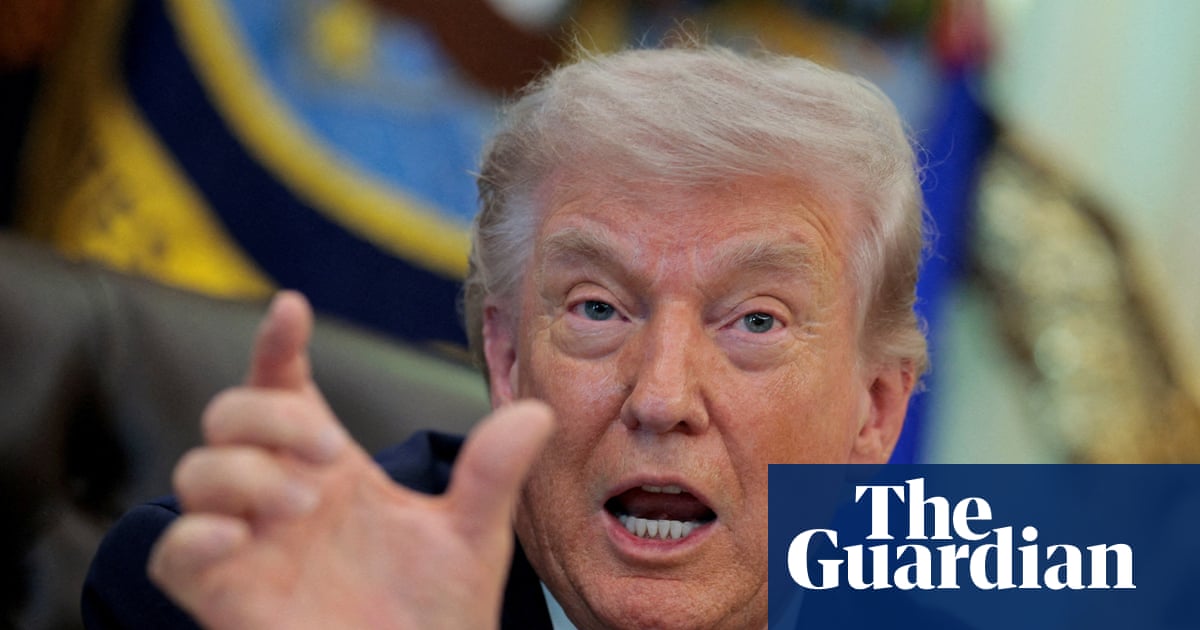
The US administration will frame the ceasefire as a negotiating triumph. Trump already called it a 'total and complete victory' in an AFP interview. The stock market rally will be cited as evidence. When markets go up, the person in office takes credit. The question nobody in the White House press room will ask: if the ceasefire was achievable on Tuesday, why was 'a whole civilization will die tonight' the negotiating posture on Monday?
The ceasefire trade has a clear beneficiary class: institutional investors, sovereign wealth funds, defense contractors, and politically connected intermediaries. The losers are the same people who always lose. Consumers who paid war-premium prices for energy, small businesses that absorbed supply chain costs, and workers in logistics and transport who lost income during the disruption. The market surged. The market always surges. The question worth asking is who was already seated at the table when the meal arrived.