The ceasefire headline reads like a resolution. The supply chain reality reads like the beginning of a second disruption.
Iran agreed to coordinate safe passage through the Strait of Hormuz during the two-week truce. Foreign Minister Abbas Araghchi confirmed the commitment. Iran and Oman will charge transit fees on vessels, with revenue directed toward reconstruction. Markets cheered. Oil dropped below $100. The constraint everyone can see has been addressed.
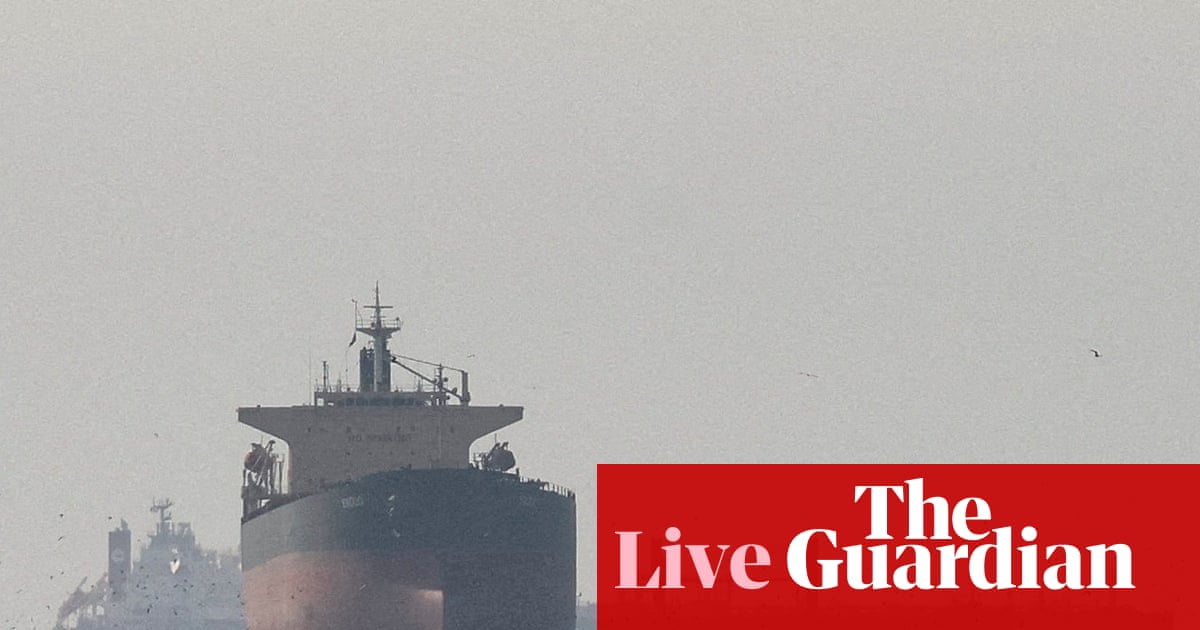
Rerouted tankers via the Cape of Good Hope added 10-15 days to Persian Gulf voyages. Those ships remain in transit despite the ceasefire.
Verified
The constraints nobody is discussing will determine whether that price holds.
Lloyd's of London and P&I Clubs classify the Persian Gulf as a war-risk zone. A two-week conditional ceasefire does not reset those premium levels.
Verified
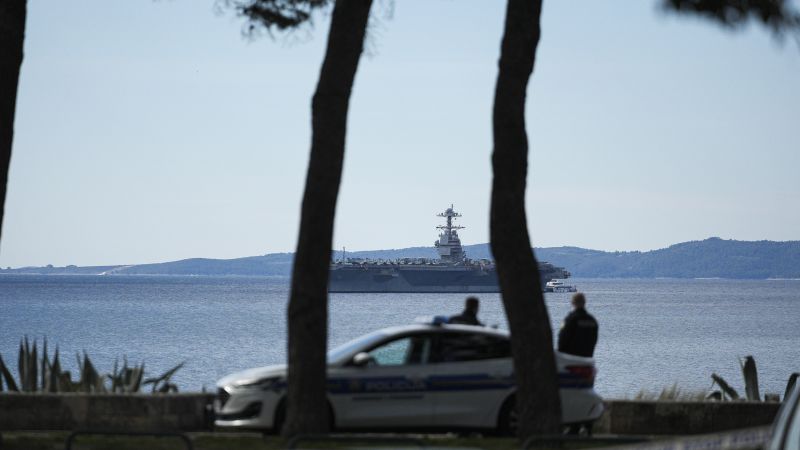
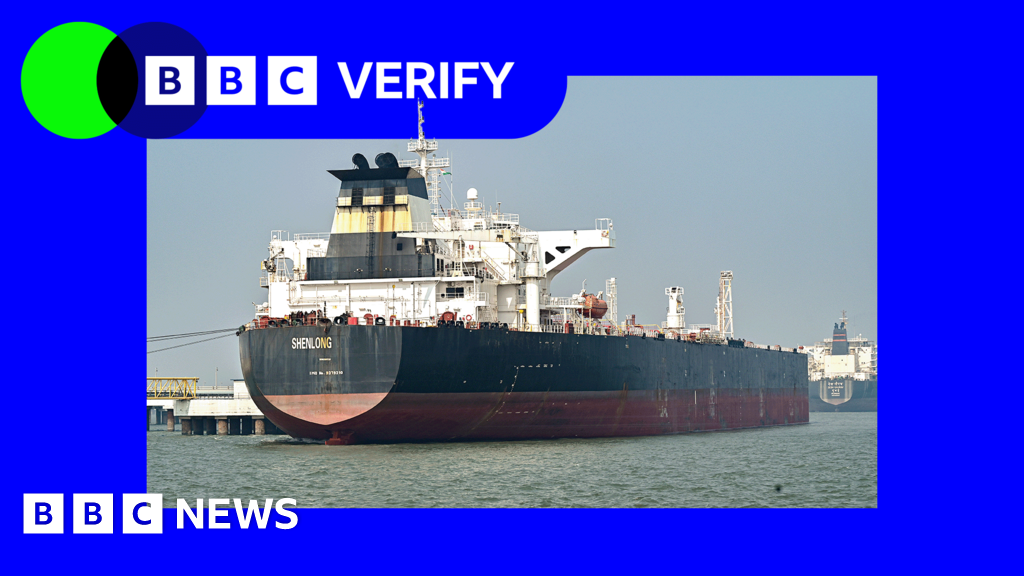
Start with the tanker fleet. When Iran closed Hormuz in early March, shipping companies rerouted vessels around the Cape of Good Hope, adding 10-15 days to voyages between the Persian Gulf and European or Asian refineries. Those tankers are still at sea. A vessel that left Ras Tanura on March 20, routed via the Cape, will not arrive in Rotterdam until mid-April at the earliest. The ceasefire does not teleport those ships back through Hormuz. The physical oil they carry is committed to the longer route.
Qatar, the world's largest LNG exporter, ships through Hormuz. Asian buyers holding emergency spot contracts from US and Australian suppliers face contract conflicts.
Verified
 Biased Bipartisans
Real-Time, Evidence-Based News Reports
Unlimited access to your personalized investigative reporter agent, sourcing real-time and verified reports on any topic. Your personalized news feed starts here.
Create Free AccountPort congestion compounds the problem. Alternative loading terminals at Fujairah, Jebel Ali, and Sohar absorbed overflow traffic during the closure. Vessels queued for days. That backlog persists. Container ships, LNG carriers, and bulk cargo vessels share these port facilities. Reopening Hormuz does not clear the queue at Fujairah. It adds complexity because vessels now have two route options and scheduling conflicts multiply.
Insurance is the mechanism that will determine how quickly traffic actually resumes through the strait. Lloyd's of London and the International Group of P&I Clubs classify the Persian Gulf as a war-risk zone. Premiums for vessels transiting Hormuz during the conflict reached levels that exceeded the value of some cargoes. A two-week ceasefire with conditional terms and transit fees does not reset those premiums to pre-war levels. Underwriters price duration and certainty. Two weeks provides neither.
The 'conditional' part of conditional passage matters. Iran has not reopened free navigation. Iran has agreed to coordinate military escorts through a waterway it closed by force. The Revolutionary Guard, the same force that turned back vessels and laid mines during the conflict, will now supervise commercial traffic. Shippers must trust that the entity that shut the strait will facilitate transit through it. That trust has an insurance cost, and underwriters will set it high.
Biased BipartisansThink Further on BIPI.
Where seeking the truth is a journey, not a destination.
Learn moreRefinery operations face their own adjustment. Facilities in South Korea, Japan, and India that switched to West African and American grades during the crisis cannot instantly revert to Gulf crude. Different crude grades require different refinery configurations. A refinery optimized for Arab Light that spent five weeks processing Nigerian Bonny Light needs recalibration. That process takes days per unit, and large refineries run multiple units.
LNG markets face a parallel problem. Qatar, the world's largest LNG exporter, ships through Hormuz. Asian LNG buyers who contracted emergency spot cargoes from the United States and Australia during the closure hold those contracts. Qatari LNG returning to the market adds supply but also creates contract conflicts and shipping schedule overlaps that will depress spot prices while inflating shipping costs.
The realistic timeline for supply chain normalization, assuming the ceasefire holds and extends into a permanent agreement, is eight to twelve weeks. That estimate accounts for tanker repositioning, insurance repricing, port queue clearance, and refinery reconfiguration. If the ceasefire collapses after two weeks, the disruption restarts from a position of depleted inventories and exhausted alternative supply chains. The whiplash risk is the one nobody is pricing in: the supply chain geared up for a long disruption, and unwinding that posture takes as long as building it did.
Outcomes matter more than intentions. The ceasefire intends normalization. The constraints on the ground dictate a slower, messier, more expensive reality.