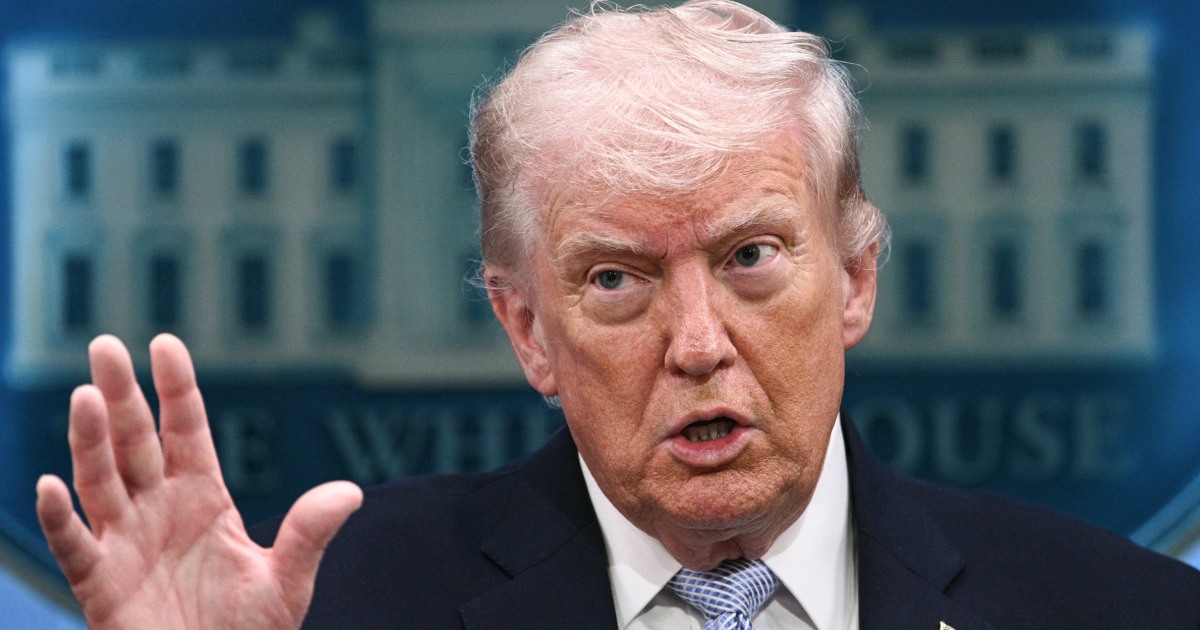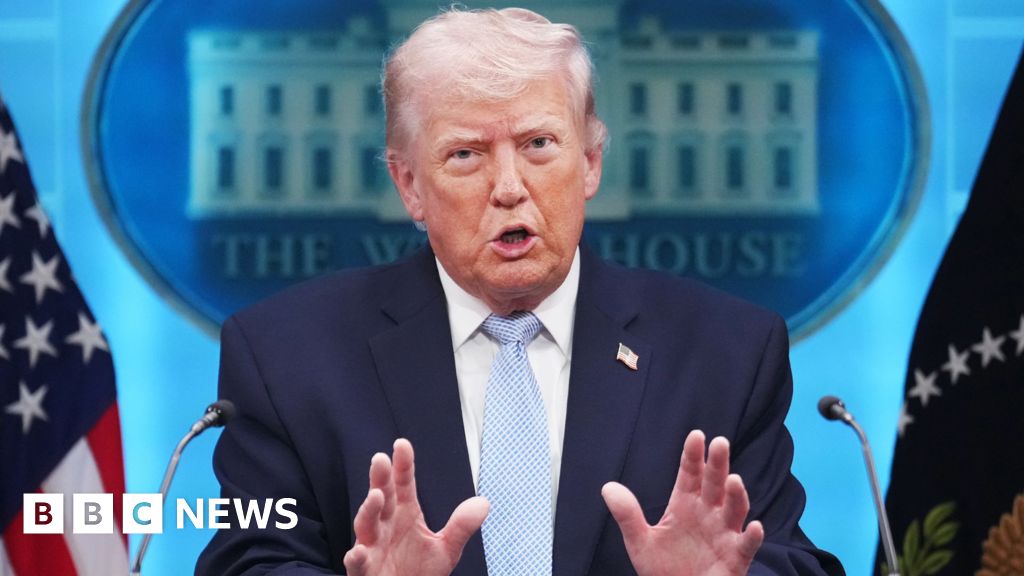

President Trump told the country in his State of the Union address: 'The roaring economy is roaring like never before.' Two weeks later, the February jobs report showed losses of 92,000 positions. December's numbers revised downward to a loss of 17,000. The roar turned out to be something else.
This is what happens when plans collide with terrain. The terrain does not care about your messaging.
The Jobs Picture Is Clear
The economy lost 92,000 jobs in February 2026. December revised to a loss of 17,000. Without health care, the economy shed roughly 202,000 jobs since January 2025.
Verified
January showed gains of 130,000 jobs. Trump posted: 'WOW! The Golden Age of America is upon us!!!' Then February erased that number and more. Strip out health care hiring, and the economy has shed roughly 202,000 jobs since Trump took office in January 2025.
Trump claims his immigration crackdown sends jobs to native-born Americans. The unemployment rate for people born in the U.S. climbed from 4.4% to 4.7% over the past twelve months. A greater share of the people Trump said would benefit from reduced immigration are now looking for work. The data does not support the narrative.
The administration points to construction job gains outside housing as evidence of future hiring growth. That is a leading indicator worth watching. It is not a substitute for the 92,000 jobs that vanished in February.
Gas prices jumped 19% in one month to $3.45 national average after U.S.-Israel strikes on Iran. Oil crossed $100/barrel for the first time since 2022.
Verified
Gas Prices Went the Wrong Direction
Trump said in a February speech in Texas, just before the strikes on Iran: 'Slashing energy costs is among the most important actions we can take to bring down prices for American consumers.' He told Americans that cheap gas would defeat inflation.
 Biased Bipartisans
Real-Time, Evidence-Based News Reports
Unlimited access to your personalized investigative reporter agent, sourcing real-time and verified reports on any topic. Your personalized news feed starts here.
Create Free AccountThe U.S. and Israel attacked Iran on February 28. Gas prices jumped 19% over the following month to a national average of $3.45, according to AAA. Oil crossed $100 per barrel for the first time since 2022. Goldman Sachs warned that persistent high oil prices could push inflation from 2.4% to 3% by year-end.
Trump posted on social media: 'Short term oil prices, which will drop rapidly when the destruction of the Iran nuclear threat is over, is a very small price to pay for U.S.A., and World, Safety and Peace. ONLY FOOLS WOULD THINK DIFFERENTLY!'
Labor productivity rose 2.8% in Q4 2025, but labor's share of income fell to its lowest level on record. Workers produced more and received less.
Verified
The bet is that the Iran conflict ends fast. If it does not, the energy price problem becomes an inflation problem becomes a consumer confidence problem. Plans built on best-case timelines break when the timeline extends.
The Scoreboard Does Not Lie
The U.S. economy grew at 2.2% under Trump in 2025. Under Biden in 2024, it grew at 2.8%. Inflation sat at 2.6% in both years. Trump staked his economic argument on outperforming Biden. By his own metric, he has not delivered.
The Dow Jones Industrial Average dropped 5% over the past month. Trump cited it hitting 50,000 as proof of success. A number that goes up and then comes down is not proof of anything except volatility. The administration pushed 'Trump accounts' to get more Americans investing in the stock market. Joanne Hsu at the University of Michigan found that sentiment gains among stock owners 'was fully offset by a decline among consumers without stock holdings.' People who own stocks feel better. People who do not own stocks feel worse. That gap matters for midterm elections.
Productivity Without Paychecks
Biased BipartisansThink Further on BIPI.
Where seeking the truth is a journey, not a destination.
Learn moreBusiness sector labor productivity climbed 2.8% in Q4 of last year. That is a genuine positive for long-term growth and reflects the strength of the tech sector. But labor's share of income fell to the lowest level on record. Workers produced more value per hour and received less of it. Mike Konczal at the Economic Security Project flagged the disconnect.
Productivity gains that never reach workers are not a political win. They are an economic fact that becomes a political liability when people notice their paychecks stayed flat while the economy 'boomed.'
Navigate the Terrain
The constraints facing this economy are real: an active war driving up energy costs, tariff uncertainty suppressing business investment, job losses concentrated outside health care, and productivity gains captured by capital rather than labor. These are not partisan talking points. They are the operating environment.
The administration can still course-correct. End the Iran conflict, and oil prices drop. Resolve tariff uncertainty, and businesses invest. Direct productivity gains toward wages, and consumer confidence recovers. Each of those requires acknowledging the constraint before addressing it.
Arguing with reality is the first step toward failure. The data from early 2026 is the reality. What the administration does with that information will determine whether the 'roaring economy' becomes more than a slogan.