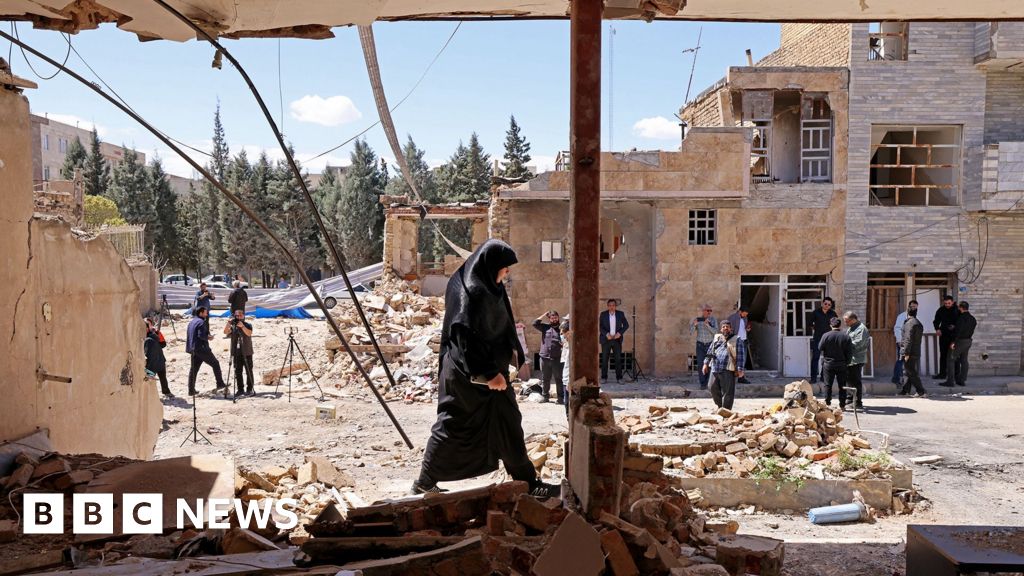
On February 27, West Texas Intermediate crude traded at $71 per barrel. On March 1, after the government launched Operation Epic Fury without congressional authorization, it hit $82. By April 6, it reached $115. The market did not create that price. A political decision did.
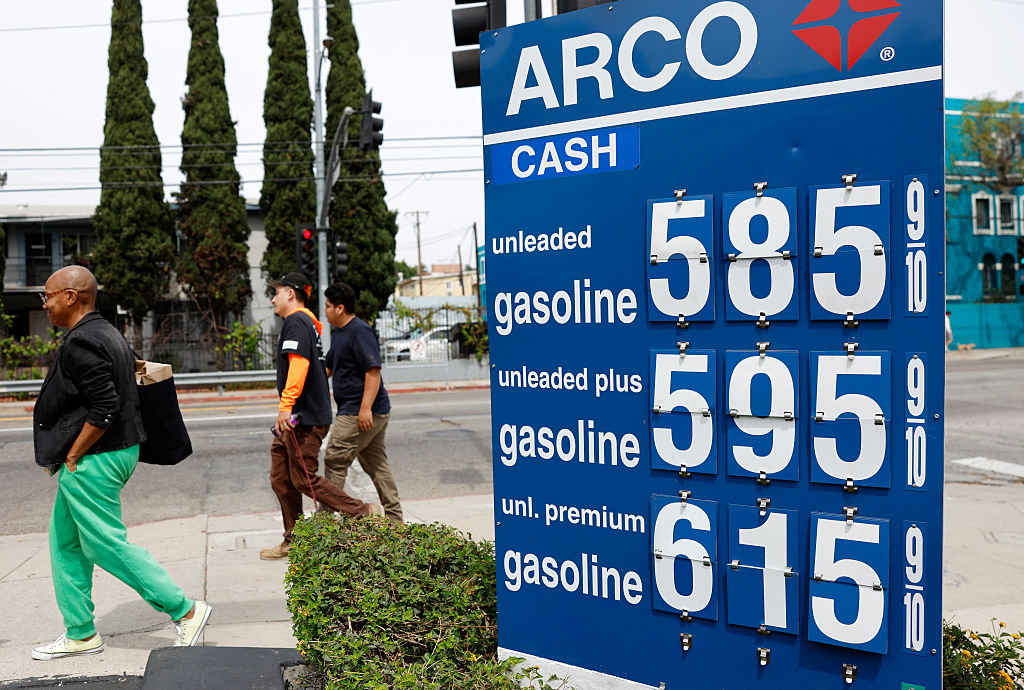
Gas stations across America now display prices between $4.11 and $5.87 per gallon. Diesel sits at $5.62, a 49% increase. Amazon added delivery surcharges. JetBlue raised fares. Trucking companies passed costs to grocery stores, which passed them to families buying food. Every link in that chain traces to a single cause: the US government closed a shipping lane by starting a war in the Persian Gulf.
Oil: $71/barrel pre-war to $115 at peak. Gas: $4.11-$5.87/gallon (38% increase). Diesel: $5.62 (49% increase).
Verified
The Dependency Trap
Twenty percent of the world's seaborne oil flows through the Strait of Hormuz. The United States knew this when it launched strikes on Iran. Every war planner, every intelligence analyst, every energy advisor understood that Iran would close the Strait in retaliation. The government chose to accept that risk. American consumers did not.
The US produces more oil than any nation on Earth. Domestic production exceeded 13 million barrels per day before the war. In a free market with rational energy policy, Hormuz should matter to Americans about as much as a bridge closure in Indonesia. It matters because decades of regulatory policy, export restrictions, refining bottlenecks, and strategic reserve manipulation tied American energy prices to a global market that the government then deliberately destabilized.
US produces 13M+ barrels/day — more than any nation — yet consumers pay global crisis prices due to policy dependencies
Verified
 Biased Bipartisans
Real-Time, Evidence-Based News Reports
Unlimited access to your personalized investigative reporter agent, sourcing real-time and verified reports on any topic. Your personalized news feed starts here.
Create Free AccountWhat Free Markets Would Have Done
A deregulated energy sector with full domestic refining capacity, streamlined permitting for pipelines and LNG terminals, and no export controls would have insulated American consumers from the Hormuz closure. Domestic production would fill domestic demand. Surplus would flow to allies at market prices. The Strait's closure would raise prices in Asia and Europe while leaving American consumers largely unaffected.
Instead, the government restricted pipeline construction, delayed LNG terminal permits, maintained Jones Act shipping requirements that inflate coastal fuel costs, and drew down the Strategic Petroleum Reserve for political purposes. These policies created the vulnerability. The war exploited it.
The Real Tax
At Issue
No congressional authorization, no voter referendum — the energy price shock was imposed by executive decision
Biased BipartisansThink Further on BIPI.
Where seeking the truth is a journey, not a destination.
Learn moreThe EIA projects gas prices will peak at $4.30 per gallon this month. BCA Research warns that even with the ceasefire, governments will hoard and restock, keeping prices elevated for months. The CPI runs at 3%, above the Fed's 2% target. Economists warn of stagflation.
None of this required voter approval. No referendum preceded the war. No ballot question asked whether Americans would accept $6 gas to destroy Iran's navy. The decision was made in the White House. The bill arrives at every gas pump, grocery store, and Amazon checkout in the country.
Free people in free markets make their own risk calculations. When the government makes those calculations for them and sends the invoice, the word for that is not policy. It is coercion.