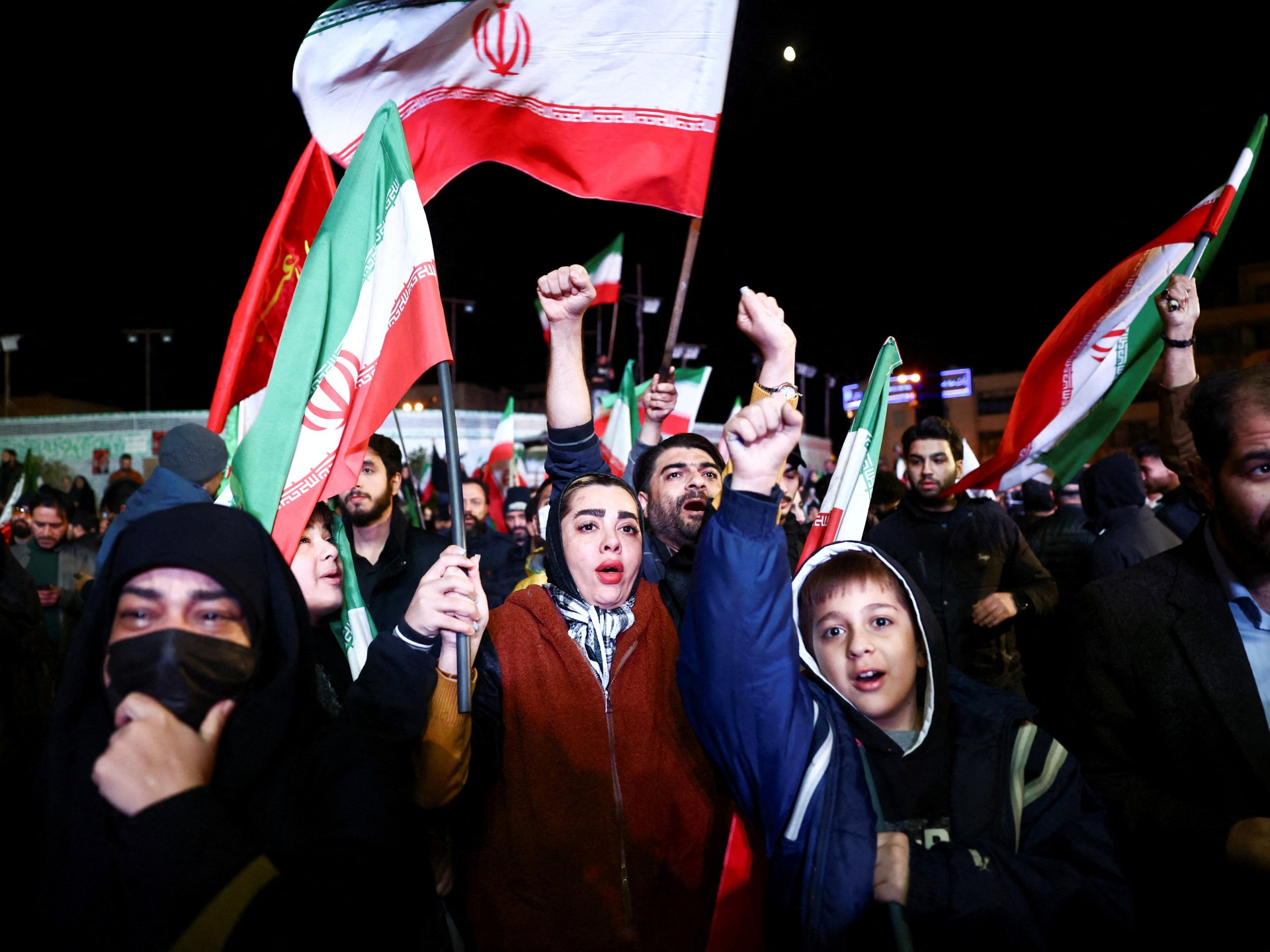
Five weeks of war. Thousands dead across Iran and Lebanon. Global shipping frozen. Oil above $100 a barrel. And the country that found a way to the table was Pakistan.
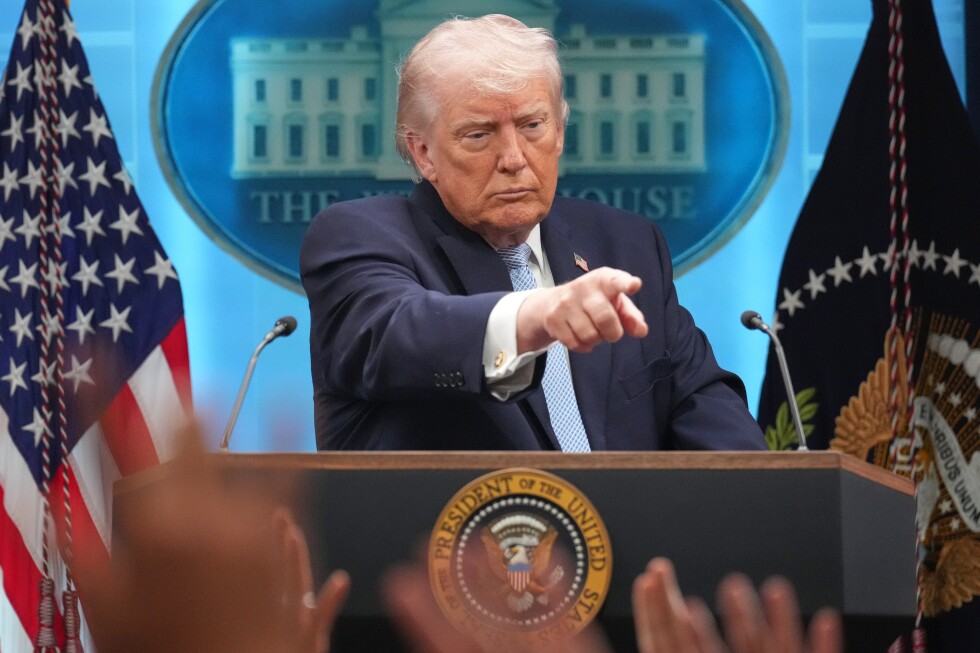
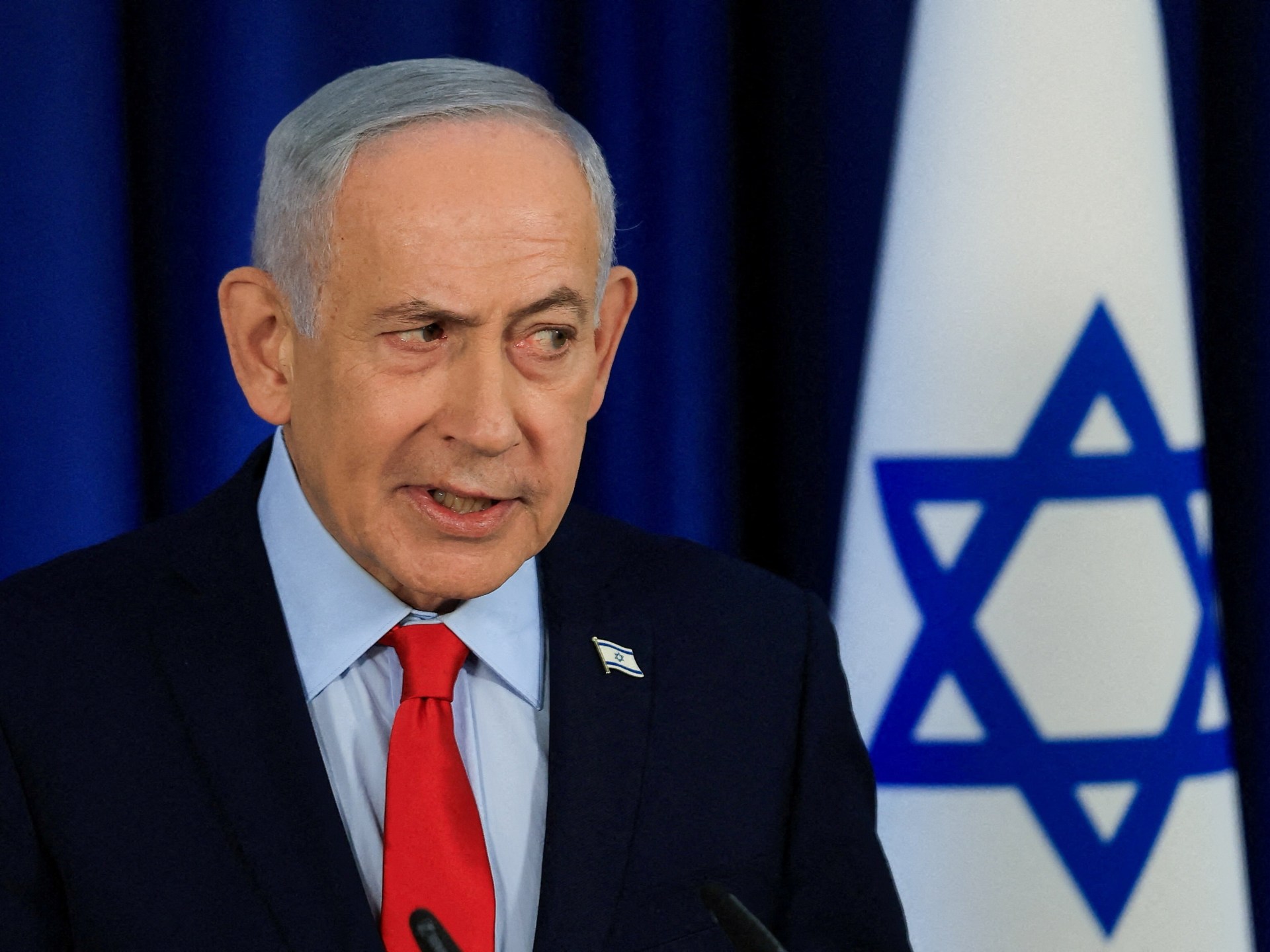
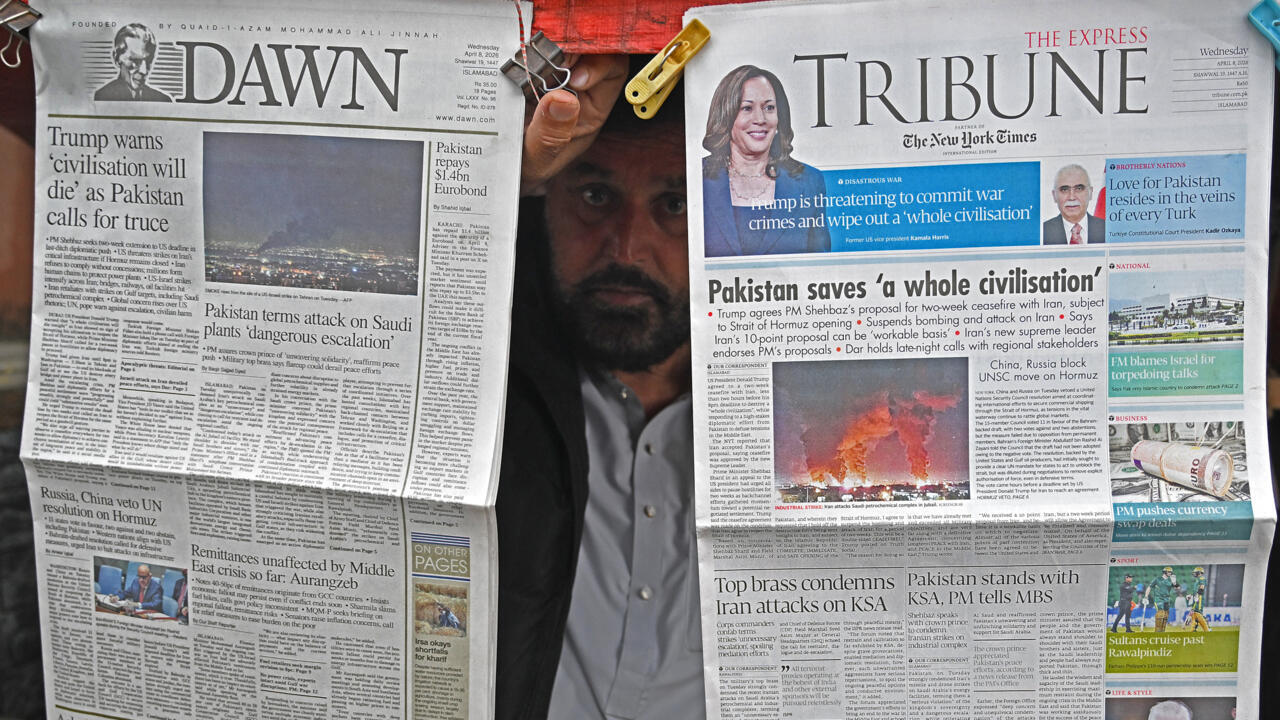
On Tuesday evening, hours before President Trump's stated deadline to destroy Iran's energy infrastructure and bridges, Pakistani Prime Minister Shehbaz Sharif announced that all parties had agreed to an immediate ceasefire. Iran's Supreme National Security Council confirmed a two-week temporary truce. Sharif invited delegations to Islamabad for formal talks on Friday, April 10.
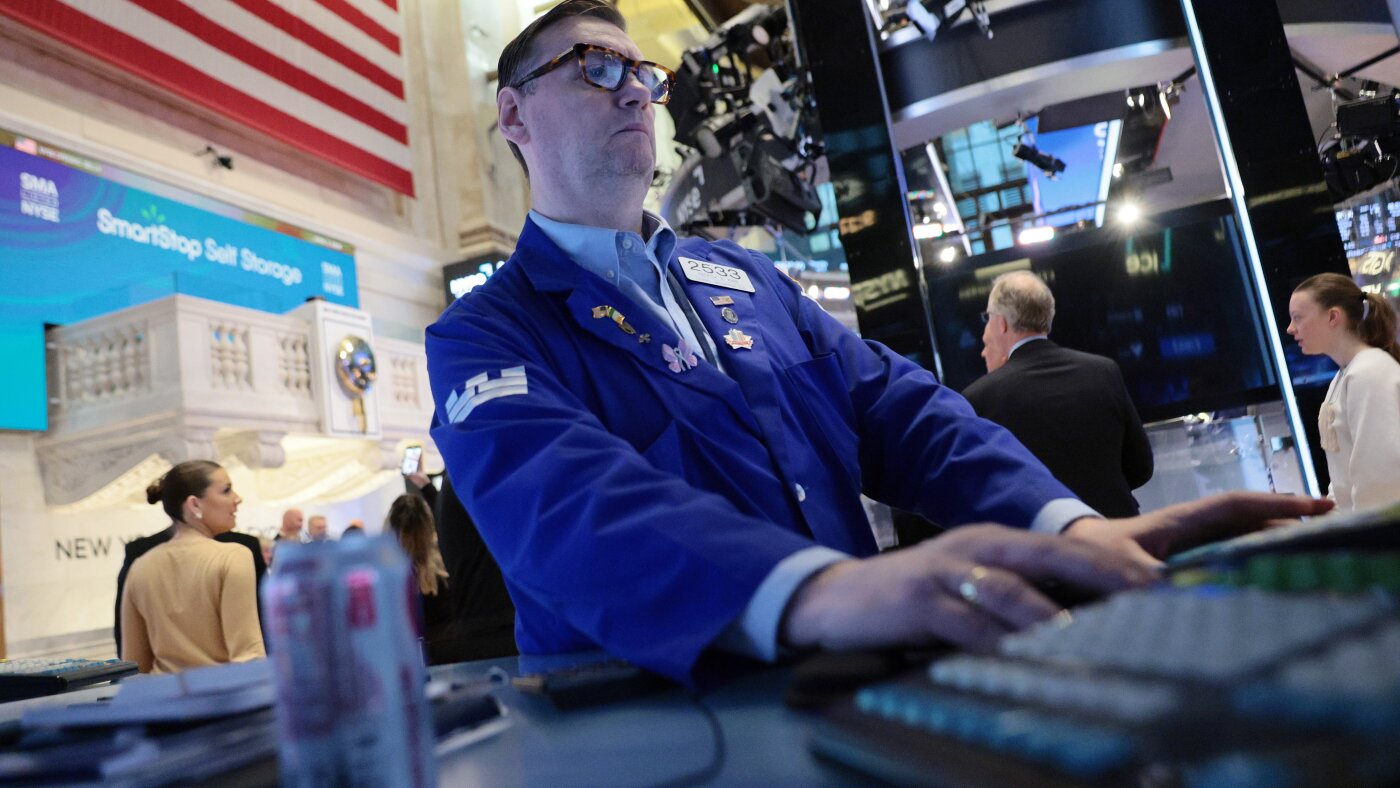
Oil prices dropped 14.4% (Brent to $93.48) within hours of the ceasefire announcement.
Verified
This is what mediation looks like when it works. Not a grand bargain. Not a permanent settlement. A pause. Room to breathe. A table where people can sit.
Who
Pakistani PM Shehbaz Sharif brokered the ceasefire and invited delegations to Islamabad for April 10 talks.
Pakistan understood something that escaped Washington and Tehran for five weeks: both sides needed an exit that did not look like surrender. Trump needed to claim victory before the deadline he set. Iran needed to avoid the destruction of its civilian infrastructure while retaining leverage. Pakistan offered the frame that let both walk through the same door.
Iran submitted a 10-point peace plan including continued control of the Strait of Hormuz and full sanctions relief.
Verified
The terms reflect that shared interest. Iran's foreign minister announced conditional passage through the Strait of Hormuz for two weeks, managed by Iran's military. Oil prices plunged 14.4% within hours. Brent crude dropped to $93.48. Australia's ASX jumped 3%. Japan's Nikkei rose more than 4%. South Korea's Kospi gained 6%. The bond market exhaled. Treasury yields fell from 4.30% to 4.24%.
“Danny Citrinowicz, Atlantic Council: The regime is still in power. Its missile capabilities are damaged but intact. This is not a strategic victory.
Markets do not lie about relief.
Russia and China vetoed a UN Security Council resolution to reopen the Strait of Hormuz hours before the ceasefire.
Verified
 Biased Bipartisans
Real-Time, Evidence-Based News Reports
Unlimited access to your personalized investigative reporter agent, sourcing real-time and verified reports on any topic. Your personalized news feed starts here.
Create Free AccountIran submitted a ten-point peace plan through Pakistani intermediaries. The demands are maximalist: lifting all primary and secondary sanctions, continued Iranian control over the Strait of Hormuz, US military withdrawal from the Middle East, release of frozen Iranian assets, a binding UN Security Council resolution. Trump called the proposal 'workable.' Iranian state media flashed graphics claiming 'Trump accepts Iran's terms for ending the war.'
Neither characterization is accurate. What happened is more useful than either spin: a starting position landed on the table. Danny Citrinowicz, a nonresident fellow at the Atlantic Council, offered the sobering assessment that the war launched with 'sweeping promises: regime change in Iran, the dismantling of its missile and nuclear programs, and preventing it from threatening the Strait of Hormuz.' Five weeks later, the regime holds power, missile capabilities remain damaged but intact, Iran retains roughly 440 kg of uranium enriched to 60%, and the 'victory' amounts to a controlled reopening of a strait that was not fully closed before the conflict began.
That is why Pakistan's role matters more than either side's framing. Pakistan did not adjudicate who was right. Pakistan identified the shared interest: nobody benefits from a wider war. Not Iran, which has absorbed five weeks of US and Israeli strikes. Not the US, which watched China and Russia veto its UN Security Council resolution to reopen the Hormuz strait. Not the Gulf states activating air defenses against Iranian missiles. Not the global economy bleeding from $100-plus oil.
China played a role. Trump told Agence France-Presse that he believes Beijing pushed Tehran toward the deal. Russia and China had blocked the UN resolution hours earlier, calling it biased against Iran and a 'legal veneer' for military force. But pressure to negotiate is not the same as building the bridge. Pakistan built the bridge.
The ceasefire is fragile. Attacks continued across the region minutes after the announcement. An Israeli military official said the country was still striking Iran even after White House officials briefed that Israel had agreed to the truce. Blasts echoed in Jerusalem and Jericho. Abu Dhabi dealt with a fire at the Habshan gas processing facility as Gulf states kept air defenses active.
Biased BipartisansThink Further on BIPI.
Where seeking the truth is a journey, not a destination.
Learn moreNone of that erases what happened in the negotiating room. A channel opened. A timeline emerged. Delegations have a date and a city.
Senator Chris Murphy warned that if the agreement gives Iran the right to control the strait, it would be 'cataclysmic for the world.' Senator Lindsey Graham said he shared the hope for diplomacy but insisted Iran must not be 'rewarded for this hostile act against the world.' White House press secretary Karoline Leavitt called it 'a victory for the United States that President Trump and our incredible military made happen.'
The victory belongs to no single actor. If these talks hold, the victory belongs to the process itself: back-channel communication, a neutral host, a formula flexible enough that adversaries could accept it without conceding their core positions. That is conflict resolution in its most basic form.
The next test comes Friday in Islamabad. Iran will push its ten points. The US will push back. Pakistan will sit between them. The question is whether the shared interest that produced this pause can survive the pressure of specifics. Two weeks is not peace. It is a window. Windows close.