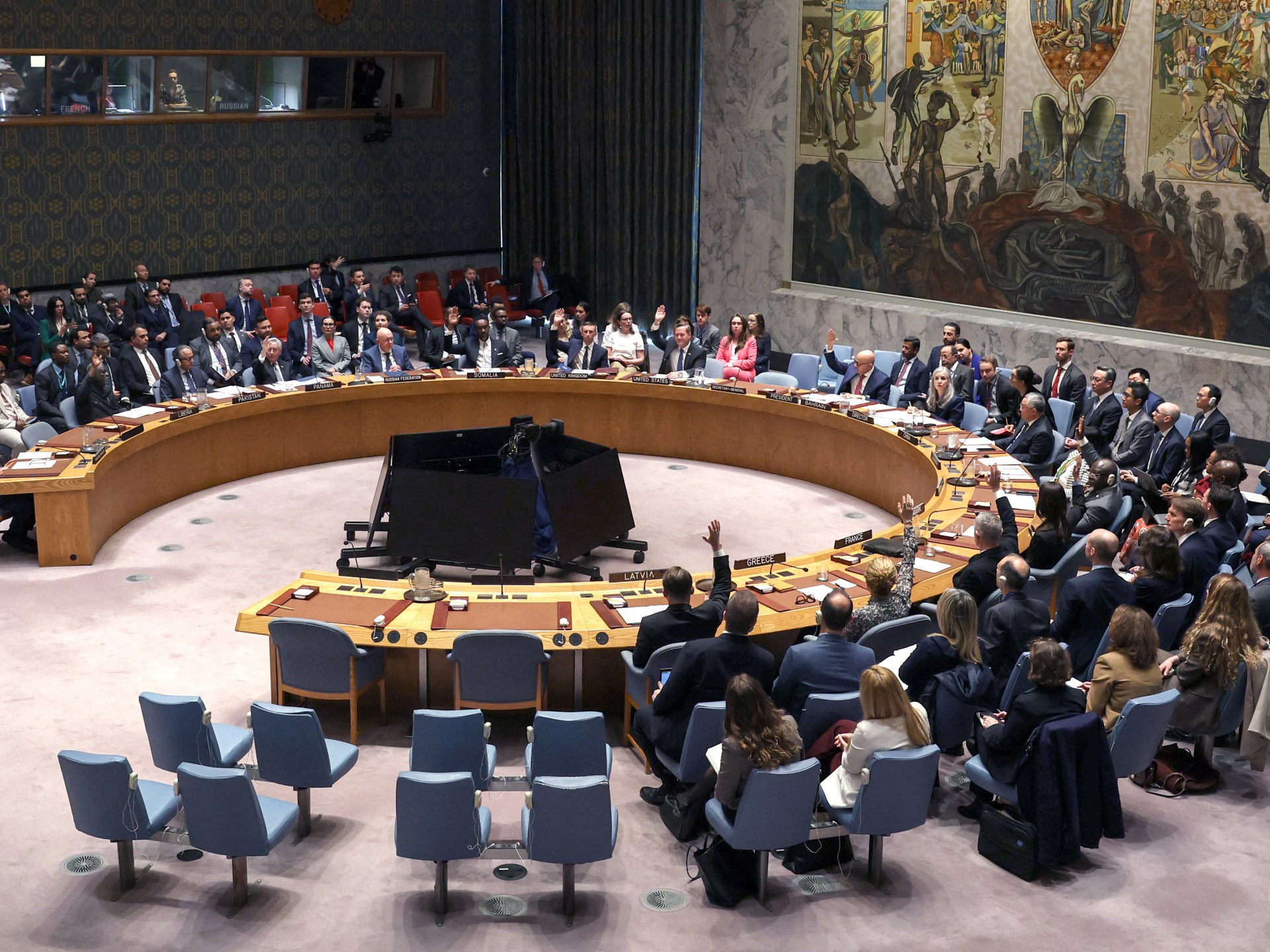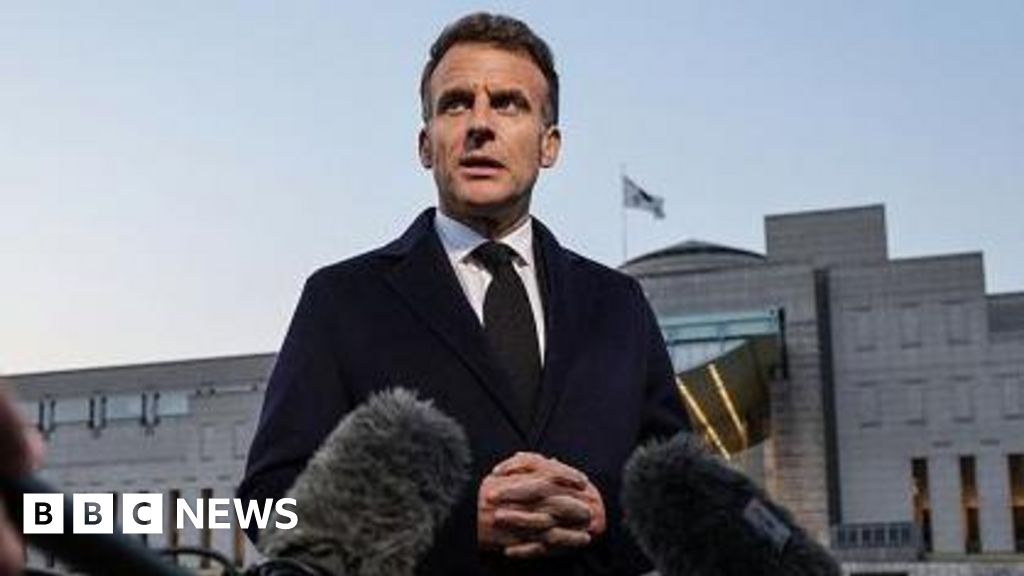
For seventy-five years, NATO operated on a convenient fiction: that collective defense could be purchased at discount rates. The 2% GDP target, adopted in 2014 after Russia seized Crimea, took another decade before all 32 members bothered to meet it. That delay cost Ukraine dearly.
The Numbers Tell a Story of Wasted Time
All 32 NATO members met the 2% GDP defense spending target for the first time in 2025, after a decade of missed commitments.
Verified
European NATO members raised defense spending by 20% in real terms for 2025. That figure sounds impressive until you consider the baseline. Most of these nations spent years hovering around 1.2% to 1.5% of GDP while American taxpayers covered the gap. The 2% target was always a floor, not a ceiling. Treating it as an aspiration rather than a minimum undermined deterrence for a full decade.
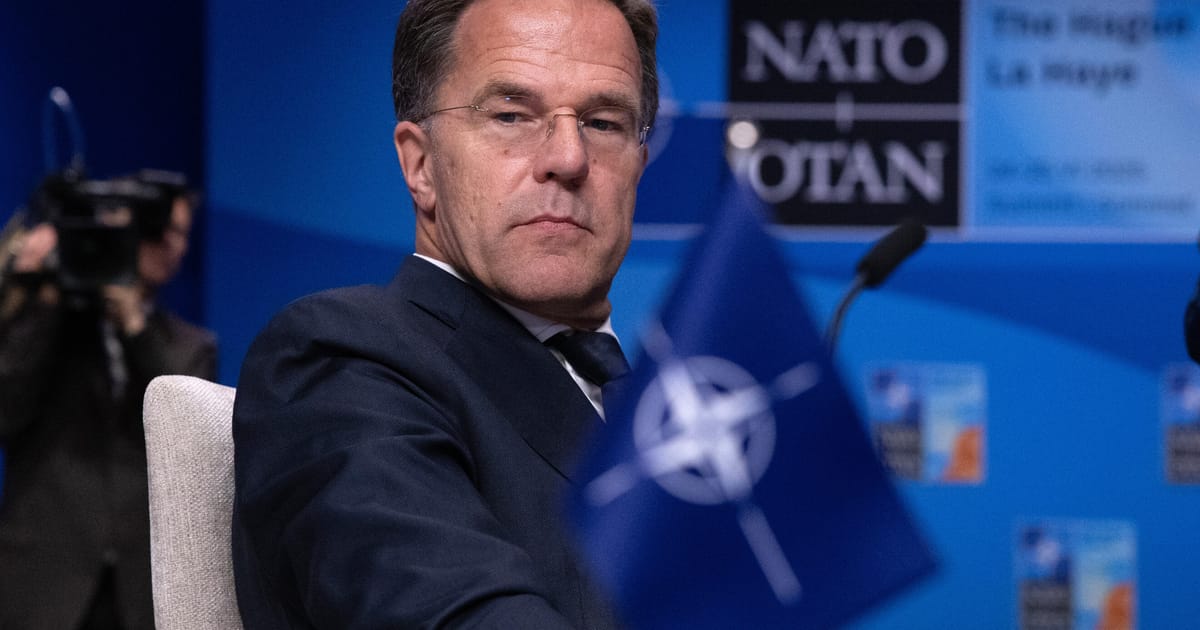
The Hague summit in 2025 changed the equation. Allies committed to 5% of GDP by 2035, with 3.5% allocated specifically to core defense expenditure. NATO also approved a common military budget of €2.42 billion for 2026. These are real numbers attached to real timelines.
NATO's 2026 common military budget: €2.42 billion. Civil budget: €528.2 million.
Verified
Why 5% Matters More Than 2% Ever Did
Timeline
2025 Hague Summit: NATO allies commit to 5% of GDP on defense by 2035, with 3.5% minimum on core defense expenditure.
 Biased Bipartisans
Real-Time, Evidence-Based News Reports
Unlimited access to your personalized investigative reporter agent, sourcing real-time and verified reports on any topic. Your personalized news feed starts here.
Create Free AccountTwo percent was a political number designed to be achievable. Five percent is a strategic number designed to be meaningful. The difference matters because adversaries calculate in capabilities, not percentages. Russia spends roughly 6% of its GDP on defense. China has doubled military spending in the past decade while maintaining reported figures around 1.3% that no serious analyst accepts at face value.
A NATO alliance spending 5% of combined GDP on defense would field the most formidable military coalition in human history. That is not hyperbole. The combined GDP of NATO members exceeds $40 trillion. Five percent of that figure buys deterrence that no rational adversary would test.
The Credibility Problem Remains
Commitments are not capabilities. The 2014 Wales summit produced a 2% pledge that most members ignored for years. The question facing NATO today is whether the 5% target will follow the same trajectory. Ten years of missed targets taught Moscow and Beijing that NATO pledges carry an expiration date.
At Issue
European defense industrial capacity may not scale fast enough to absorb a 5% GDP spending commitment. The money means nothing without production capacity.
Biased BipartisansThink Further on BIPI.
Where seeking the truth is a journey, not a destination.
Learn moreThree factors will determine whether this commitment holds. First, European defense industrial capacity must expand. You cannot spend 5% of GDP on defense if your factories cannot produce the ammunition, vehicles, and systems that money is supposed to buy. Second, political will must survive the next election cycle in France, Germany, and the UK. Third, the United States must remain engaged as a framework nation rather than retreating into transactional bilateralism.
What Inaction Produces
The historical record on this point is unambiguous. Every period of Western military drawdown has been followed by adversarial expansion. The post-Cold War peace dividend coincided with Russian revanchism in Georgia, Crimea, and eastern Ukraine. The US withdrawal from Afghanistan preceded a cascade of assertive moves by China in the Taiwan Strait and the South China Sea.
Weakness is provocative. That principle has not changed since Thucydides wrote about the Peloponnesian War. NATO spending 5% of GDP on defense is not militarism. It is the minimum credible signal that the alliance takes its own Article 5 commitments seriously. Anything less is an invitation for adversaries to test the boundaries.